 WhatsApp Us (24/7)
 +91 926 888 0303 (24/7)


To Book an Appointment
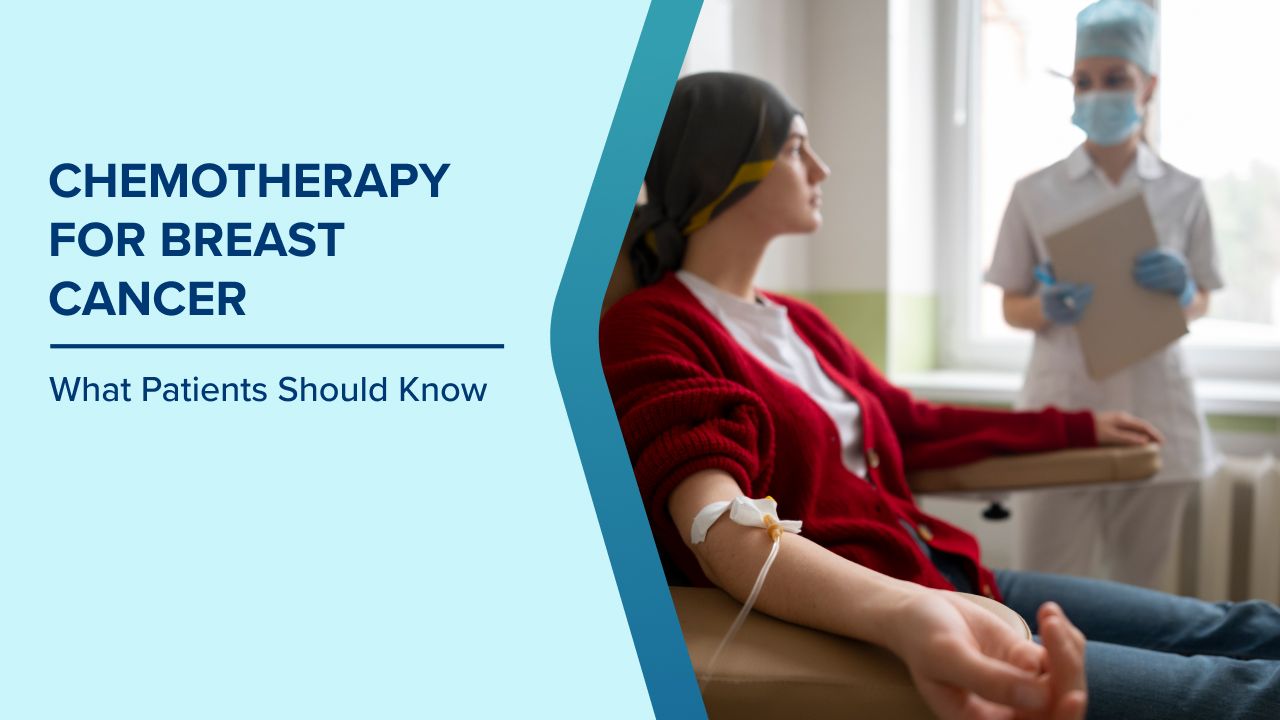
Call Us+91 926 888 0303What is Chemotherapy for Breast Cancer: What to Expect & Side Effects
By Dr. Paresh Bang in Spine Surgery
Mar 18 , 2026

A breast cancer diagnosis often brings many questions, and one of the most common is about chemotherapy. For some patients, the word itself feels overwhelming. Images of hair loss, fatigue, and hospital visits can create fear even before treatment begins. Yet chemotherapy remains one of the most effective and widely used options in modern breast cancer treatment.
Understanding why it is recommended, how it works, and what daily life looks like during therapy can reduce anxiety and help patients feel more prepared. Chemotherapy for breast cancer is not the same for everyone. It is carefully planned based on the type of cancer, its stage, and the overall health of the patient.
What Is Chemotherapy for Breast Cancer
Chemotherapy is a type of breast cancer treatment that uses powerful medicines to destroy cancer cells. These medicines travel through the bloodstream, allowing them to reach cancer cells almost anywhere in the body.
Unlike surgery, which removes a visible tumour, chemotherapy works at a microscopic level. It targets rapidly dividing cells. Since cancer cells multiply quickly, chemotherapy helps slow down or stop their growth.
Chemotherapy may be used alone or along with other treatments such as surgery, radiation therapy, hormone therapy, or targeted therapy for breast cancer.
When Is Chemotherapy Recommended
Not every patient with breast cancer requires chemotherapy. Doctors consider several factors before recommending it, including tumour size, lymph node involvement, cancer subtype, and overall risk of recurrence.
Chemotherapy may be advised in the following situations:
Before Surgery
This is called neoadjuvant chemotherapy. It helps shrink the tumour, making surgery easier and more effective. In some cases, it may allow breast-conserving surgery instead of mastectomy.
After Surgery
Known as adjuvant chemotherapy, this approach aims to eliminate any remaining cancer cells that cannot be seen on imaging. It lowers the risk of the cancer returning.
Aggressive Subtypes
Certain types, such as triple-negative breast cancer treatment plans, often include chemotherapy because hormone therapy is not effective in these cases. HER2-positive breast cancer may also require chemotherapy along with targeted therapy.
Advanced or Metastatic Breast Cancer
When cancer has spread beyond the breast, chemotherapy may help control disease progression and relieve symptoms.
Each treatment plan is personalised. There is no one-size-fits-all approach.
Understanding Chemotherapy Cycles
Chemotherapy is given in cycles. A cycle includes a treatment period followed by a rest period. The rest phase allows the body to recover and healthy cells to rebuild.
For example:
- A patient may receive treatment on one day and then rest for two to three weeks
- Some regimens involve weekly sessions
- Others are given once every few weeks
The number of chemotherapy cycles depends on the treatment goal and cancer stage. Your oncology team will explain your schedule clearly before starting therapy.
Common Side Effects of Chemotherapy and How They Are Managed
Chemotherapy affects both cancer cells and some healthy cells, which is why side effects may occur.
Hair Loss During Chemotherapy
Hair loss can occur during chemotherapy because hair roots contain fast growing cells that are affected by the medicines. However, not every chemotherapy drug leads to total hair loss.
Ways to manage this change include:
- Using soft head coverings or scarves
- Exploring wigs before treatment begins
- Practising gentle scalp care
Hair typically regrows after treatment ends.
Fatigue
Tiredness is one of the most common symptoms. It may not improve with rest alone.
Helpful measures include:
- Short daily walks
- Light stretching
- Prioritising tasks
- Accepting support from family
Nausea
Modern anti nausea medications are effective and widely used. Eating small, frequent meals, and staying hydrated can also help.
Low Immunity
Chemotherapy can temporarily reduce white blood cells.
Precautions include:
- Avoiding crowded spaces when counts are low
- Maintaining good hand hygiene
- Reporting fever immediately
Emotional Changes
Mood shifts are common during the breast cancer survival journey. Speaking openly with loved ones or joining a support group can provide comfort.
Side effects are manageable in most cases. Always inform your oncology team about new or worsening symptoms.
Life During Chemotherapy
Chemotherapy does not mean putting life completely on hold. Many patients continue daily activities with adjustments.
Diet and Nutrition
Focus on balanced meals with:
- Fresh fruits and vegetables
- Protein-rich foods
- Adequate hydration
Small, frequent meals may be easier to tolerate.
Work and Routine
Some patients continue working part-time. Others take medical leave. Listen to your body and adjust expectations realistically.
Physical Activity
Light exercise supports circulation, mood, and energy levels. Avoid intense workouts unless approved by your doctor.
Emotional Wellbeing
It is normal to feel anxious or uncertain. Counselling, meditation, and connecting with other survivors can strengthen resilience.
Family and Social Support
Allow others to help with household tasks, childcare, or transportation. Support reduces physical and emotional strain.
What Happens After Chemotherapy Ends
Finishing chemotherapy is an important milestone. However, recovery is gradual.
Physical Recovery
Fatigue may continue for a few weeks. Hair regrowth usually begins within months.
Follow Up Care
Regular appointments help monitor healing and check for recurrence. Blood tests and imaging may be scheduled as required.
Additional Treatments
Some patients continue with hormone therapy or targeted therapy for breast cancer depending on tumour type.
Emotional Adjustment
The end of treatment may bring mixed emotions. Relief often combines with fear of recurrence. Ongoing communication with your healthcare team remains essential.
Recovery after chemotherapy is a phase of rebuilding strength and confidence.
Common Myths About Chemotherapy
Many misconceptions surround chemotherapy for breast cancer. Clearing them can reduce fear.
- Chemotherapy does not always cause severe illness. Many patients tolerate it well.
- Hair loss is not permanent in most cases.
- Treatment plans are individualised, not identical for everyone.
- Modern medications significantly improve comfort during therapy.
- Chemotherapy is often part of a comprehensive breast cancer treatment strategy, not the only option.
Understanding facts helps patients make informed decisions.
Conclusion
Chemotherapy for breast cancer plays a powerful role in controlling and eliminating cancer cells. While the idea of treatment may feel intimidating, modern oncology focuses on personalised care, symptom management, and patient comfort.
Being well prepared, informed, and in regular contact with your healthcare team can replace uncertainty with reassurance. Chemotherapy is more than a treatment session. It is part of a larger recovery process that involves physical healing, emotional strength, and ongoing health follow up.
With proper guidance, support, and expert care, patients can go through chemotherapy feeling empowered and assured.
Frequently Asked Questions
1. Can chemotherapy affect fertility permanently?
Yes, some treatments may impact fertility. Discuss fertility preservation options before starting chemotherapy.
2. Is vaccination allowed during chemotherapy?
Certain vaccines are safe, but timing matters. Always consult your oncologist before receiving any vaccination.
3. Can I travel while receiving chemotherapy?
Short travel may be possible between cycles if blood counts are stable and your doctor approves.
4. Is a chemo port painful to insert?
Port placement is a minor procedure done under local anaesthesia. Mild soreness may occur temporarily.
5. Does chemotherapy affect menstrual cycles?
Yes, periods may become irregular or stop temporarily depending on age and treatment type.
Written and Verified by:

Related Blogs

Prof. (Dr). V.K.Jain In Neurosciences , Spine Surgery
Nov 07 , 2020 | 5 min read
Dr. Amit Gupta In Spine Surgery , Neurology
Nov 07 , 2020 | 2 min read
Blogs by Doctor
Most read Blogs


Related Blogs
Prof. (Dr). V.K.Jain In Neurosciences , Spine Surgery
Nov 07 , 2020 | 5 min read
Dr. Amit Gupta In Spine Surgery , Neurology
Nov 07 , 2020 | 2 min read
Blogs by Doctor
Most read Blogs