 WhatsApp Us (24/7)
 +91 926 888 0303 (24/7)


To Book an Appointment
Call Us+91 926 888 0303Bundibugyo Strain of Ebola Virus: What We Know So Far
By Dr. Shovana Veshnavi in Internal Medicine
May 29 , 2026
1

The Bundibugyo strain of the Ebola virus has re-emerged as a serious public health concern following the recent outbreak reported in the Democratic Republic of Congo (DRC). Although this strain is less common than other forms of Ebola, it can still cause severe and potentially life-threatening illness. As news of the outbreak gains attention, many people are seeking clear and reliable information about what this virus is, the symptoms that should not be ignored, and the precautions that can help reduce the risk of infection. In this article, we cover everything currently known about the Bundibugyo strain of Ebola and what the latest outbreak means from a public health perspective.
What is the Bundibugyo Strain of Ebola?
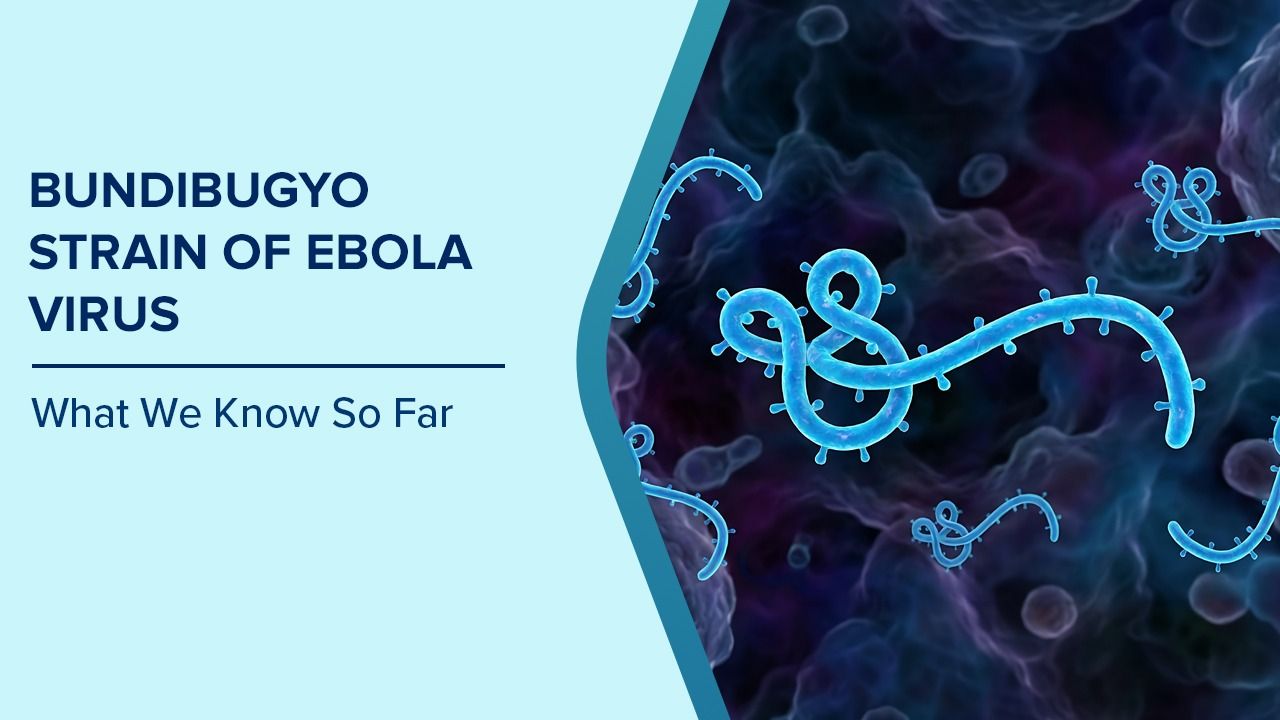
The Bundibugyo strain of Ebola, scientifically known as Bundibugyo ebolavirus, is one of the recognised species of the Ebola virus that can cause Ebola Virus Disease (EVD), a severe and often fatal illness in humans. It was first identified in 2007 during an outbreak in the Bundibugyo district of Uganda, from which it gets its name.
The Bundibugyo strain is also relatively rare, with only a small number of outbreaks recorded so far, primarily in parts of Central and East Africa. However, health experts continue to closely monitor it because Ebola viruses can spread rapidly in areas with limited healthcare infrastructure.
One of the biggest concerns surrounding this strain is that there is currently no approved vaccine specifically designed for it, unlike the Zaire strain for which licensed vaccines are available.
What Makes This Outbreak Different From Past Ebola Outbreaks?
The current outbreak stands apart from previous Ebola outbreaks because it involves the relatively rare Bundibugyo strain, for which there is currently no approved vaccine or strain-specific treatment.
Unlike the more extensively studied Zaire strain, limited data is available on how Bundibugyo ebolavirus behaves and responds to medical interventions. Health experts are also concerned about delayed detection, as early symptoms can resemble other common infections, making timely diagnosis more difficult.
How Does the Bundibugyo Ebola Virus Spread?
The Bundibugyo strain of Ebola spreads through direct exposure to infected bodily fluids, contaminated materials, or infected animals
Human Contact
- Body Fluids: Direct contact with blood, saliva, vomit, urine, sweat, faeces, or semen of an infected person
- Caregiving Exposure: Caring for infected individuals without proper protective equipment
- Close Interaction: Physical contact with symptomatic patients during illness
Contaminated Surfaces
- Medical Equipment: Exposure to contaminated needles or healthcare instruments
- Shared Items: Contact with infected bedding, clothing, or personal belongings
- Surface Transmission: Touching surfaces carrying infected bodily fluids
Animal Exposure
- Wildlife Contact: Handling infected bats, monkeys, or other wild animals
- Bushmeat Handling: Preparing or consuming infected animal meat
Burial Practices
- Funeral Exposure: Physical contact with the body of a person who died from Ebola
- Unsafe Rituals: Participation in traditional burial practices without protective measures
Ebola is not known to spread through the air like common respiratory infections, but close physical exposure remains a major risk factor for transmission.
What are the Symptoms of Bundibugyo Ebola?
Bundibugyo Ebola virus symptoms usually appear suddenly and may initially resemble common viral infections such as malaria or flu.
Early Symptoms
- Fever: Sudden high body temperature
- Fatigue: Extreme weakness and tiredness
- Headache: Persistent or severe headaches
- Muscle Pain: Body aches and joint discomfort
- Sore Throat: Throat irritation or pain while swallowing
Gastrointestinal Symptoms
- Vomiting: Frequent nausea and vomiting
- Diarrhoea: Severe loose motions that can lead to dehydration
- Abdominal Pain: Stomach cramps and digestive discomfort
- Loss Appetite: Reduced interest in eating or drinking
Severe Symptoms
- Bleeding: Internal or external bleeding in advanced stages
- Breathing Issues: Difficulty breathing or chest discomfort
- Organ Failure: Damage to the liver, kidneys, or other organs
- Shock: Dangerous drop in blood pressure due to severe infection
How is Bundibugyo Ebola Treated?
There is currently no approved cure or strain-specific antiviral treatment for the Bundibugyo strain of Ebola. Treatment mainly focuses on supportive medical care to manage symptoms, stabilise the patient, and improve survival chances. These include:
- Fluid Replacement: Intravenous fluids and oral rehydration are used to prevent severe dehydration
- Electrolyte Support: Maintaining proper salt and mineral balance in the body
- Oxygen Therapy: Providing oxygen support for patients with breathing difficulties
- Blood Pressure Management: Monitoring and stabilising blood pressure levels
- Symptom Control: Medicines may be given to reduce fever, pain, vomiting, or diarrhoea
- Treatment Of Infections: Managing secondary bacterial or fungal infections if they develop
- Intensive Care: Critically ill patients may require advanced supportive care and continuous monitoring
Precautions You Can Take to Protect Yourself
While the risk of Ebola infection remains low outside affected regions, following basic preventive measures can help reduce exposure and support public health safety:
- Maintain Hand Hygiene: Wash hands regularly with soap and water or use alcohol-based sanitisers
- Avoid Bodily Fluids: Do not come into direct contact with blood, vomit, saliva, urine, or other body fluids of infected individuals
- Follow Travel Advisories: Stay updated on official travel guidelines and outbreak-related alerts
- Avoid Contact with Sick People: Limit close physical contact with people showing symptoms of serious viral illness
- Practise Food Safety: Avoid handling or consuming raw or wild animal meat in outbreak-prone regions
- Use Protective Equipment: Healthcare workers and caregivers should use appropriate protective gear
- Seek Early Medical Care: Consult a doctor immediately if symptoms develop after travel to affected areas or exposure to infected individuals
- Rely On Verified Information: Follow updates from recognised public health organisations and avoid misinformation circulating online
Consult Today
While the risk of Bundibugyo Ebola reaching India remains low, staying informed and prepared is always wise. If you've travelled to the Democratic Republic of Congo or other endemic areas, or if you're experiencing symptoms similar to the ones listed above, don't brush it off. Consult a specialist at Max Hospitals today. Our infectious disease experts can provide personalised guidance, assess your actual risk level, and give you the peace of mind that comes with professional advice rather than internet searches.
Frequently Asked Questions
Should People in India Be Worried About This Outbreak?
At present, there is no major public health threat to India from the Bundibugyo Ebola outbreak. However, health authorities are closely monitoring the situation and strengthening surveillance as a precaution.
Can Bundibugyo Ebola Spread Through Air Like COVID-19?
No. Bundibugyo Ebola does not spread through the air like COVID-19 or influenza. Transmission mainly occurs through direct contact with infected bodily fluids.
How Long Does It Take For Symptoms To Appear After Exposure?
Symptoms of Bundibugyo Ebola typically appear between 2 to 21 days after exposure to the virus. Most infected individuals begin showing symptoms within 8 to 10 days.
Can Bundibugyo Ebola Spread Before Symptoms Start?
Current evidence suggests that Bundibugyo Ebola spreads mainly when an infected person begins showing symptoms. Individuals who are not symptomatic are generally not considered contagious.
Is the Bundibugyo Ebola Strain Deadly?
Yes, the Bundibugyo strain of Ebola can cause severe and potentially fatal illness. Although it is generally considered less deadly than the Zaire strain of Ebola, it can still lead to serious complications such as dehydration, internal bleeding, organ failure, and death if not treated promptly.
Is There A Vaccine For Bundibugyo Ebola Virus?
Currently, there is no approved vaccine specifically developed for the Bundibugyo strain of Ebola. Existing Ebola vaccines were primarily designed for the Zaire strain, which is why the current outbreak has raised concerns among global health authorities.
Why Did WHO Declare The Outbreak A Global Emergency?
The World Health Organization (WHO) raised global concern due to the rapid spread of infections, the absence of a strain-specific vaccine, and the risk of cross-border transmission. The declaration also helps mobilise international funding, medical resources, surveillance, and emergency response efforts.
Which Countries are Currently Affected By The Outbreak?
The current outbreak has primarily been reported in the Democratic Republic of Congo (DRC). Health authorities are also closely monitoring neighbouring regions due to concerns about possible cross-border spread.
What Role Do Bats Play in Ebola Transmission?
Bats are considered one of the most likely natural reservoirs of the Ebola virus. Researchers believe the virus can spread from infected bats to humans either directly or through contact with infected wild animals. However, outbreaks usually spread between humans after the initial transmission event.
Written and Verified by:

Related Blogs


Dr. Vandana Boobna In Internal Medicine
Nov 08 , 2020 | 2 min read
Blogs by Doctor

Clear Up Acne By Healing Your Gut - Tips To Improve Your Digestive Health
Dr. Shovana Veshnavi In Dermatology , Internal Medicine
Jul 20 , 2023 | 1 min read

Why You May Feel Dizzy After Eating And How To Manage It
Dr. Shovana Veshnavi In Internal Medicine
May 09 , 2023 | 2 min read
Most read Blogs


Related Blogs
Dr. Vandana Boobna In Internal Medicine
Nov 08 , 2020 | 2 min read
Blogs by Doctor
Clear Up Acne By Healing Your Gut - Tips To Improve Your Digestive Health
Dr. Shovana Veshnavi In Dermatology , Internal Medicine
Jul 20 , 2023 | 1 min read
Why You May Feel Dizzy After Eating And How To Manage It
Dr. Shovana Veshnavi In Internal Medicine
May 09 , 2023 | 2 min read
Most read Blogs