 WhatsApp Us (24/7)
 +91 926 888 0303 (24/7)


To Book an Appointment
Call Us+91 926 888 0303What is Behçet’s Disease: Causes, Symptoms, Diagnosis and Treatment
By Dr. Namrita Singh in Internal Medicine
Dec 17 , 2025 | 11 min read
1

Behçet’s disease is a rare chronic condition where the body’s immune system causes inflammation in blood vessels throughout the body. This inflammation can lead to various symptoms that may come and go in cycles called flare-ups. Because these flare-ups can affect different areas at different times, recognising the signs early and knowing when to seek medical help becomes essential. This blog will cover the key symptoms, possible causes, diagnosis, and treatment options for Behçet’s disease to help you stay informed and prepared. Let’s start with the basics.
What is Behçet’s Disease?
Behçet's disease is a chronic inflammatory disorder that occurs when your immune system mistakenly attacks healthy blood vessels throughout your body. This process, called vasculitis, causes these vessels to become swollen and damaged, leading to a range of symptoms that can affect different parts of your body.
One of the defining characteristics of Behçet's disease is its unpredictable nature. The condition typically follows a pattern of active periods, called flare-ups, when symptoms appear or worsen, followed by periods of remission when symptoms improve or disappear entirely. This cyclical pattern means you may feel relatively well for weeks or months, then experience a return of symptoms seemingly without warning.
Behçet's disease is considered rare in most parts of the world, but it's more prevalent along the historic Silk Road route, particularly in Turkey, Iran, Japan, Korea, and other Mediterranean and Middle Eastern countries. It is because of this reason it is also called the silk road disease.
What Causes Behçet’s Disease?
The exact cause of Behçet’s disease is still unknown, but it is believed to result from a mix of genetic and environmental factors. People who carry certain genes, such as HLA-B51, have a higher risk of developing the condition, although not everyone with this gene will experience it. Risk factors that may increase the likelihood of Behçet’s disease include:
- Genetic predisposition: Presence of the HLA-B51 gene.
- Geographic location: More common among people from regions along the ancient Silk Route, including Turkey, Iran, Japan, and China.
- Age: Most often develops between 20 and 40 years of age.
- Sex: Men may experience more severe symptoms than women.
- Infections: Certain bacterial or viral infections may act as potential triggers.
What are the Symptoms of Behçet’s Disease?
The symptoms of Behçet’s disease can differ widely among individuals and may appear in cycles, with periods of flare-ups followed by times of remission. Because the condition affects blood vessels throughout the body, symptoms can involve multiple organs and vary in severity. Common symptoms include:
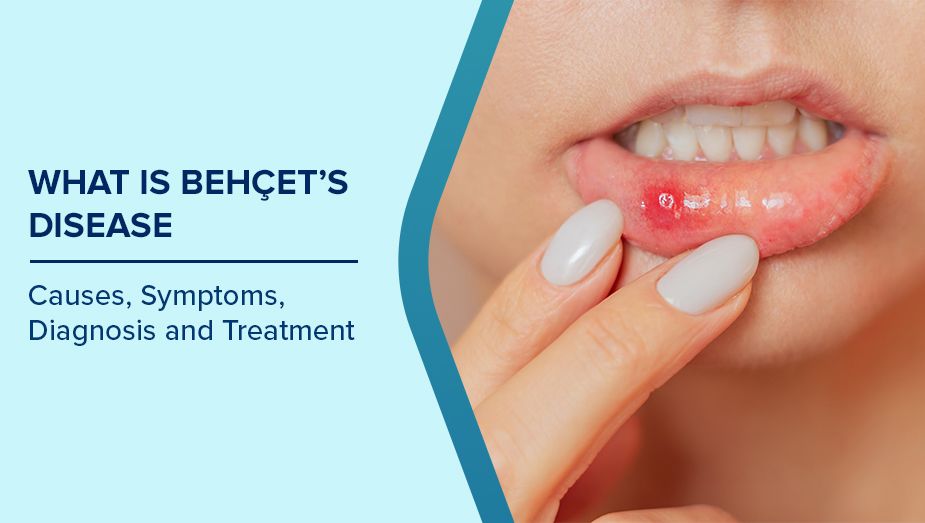
- Mouth sores: These are often the earliest and most common sign. They appear as small, painful ulcers on the tongue, gums, or inside the cheeks. The sores usually heal within a few weeks but tend to recur frequently, sometimes even before the previous ones have fully healed.
- Genital sores: Painful ulcers can develop on the scrotum, vulva, or perineal area. These may cause discomfort and can leave scars once healed.
- Eye inflammation: Known as uveitis, this symptom causes redness, pain, blurred vision, or sensitivity to light. If left untreated, it may lead to complications such as vision loss, so early medical attention is essential.
- Skin lesions: Behçet’s can cause a range of skin problems, including acne-like pustules, red raised nodules (erythema nodosum), or tender bumps that often appear on the legs or arms. These lesions may be painful to touch.
- Joint pain and swelling: The condition may cause inflammation in the joints, particularly the knees, ankles, wrists, or elbows. The pain is usually temporary and does not cause lasting damage but can restrict movement during flare-ups.
- Vascular inflammation: Inflammation in veins and arteries can cause pain, redness, or swelling in the arms or legs. It may also lead to blood clots or, in rare cases, serious complications involving larger blood vessels.
- Neurological symptoms: When the brain or spinal cord is affected, symptoms such as headaches, difficulty with balance or coordination, and confusion can occur. In severe cases, it may cause meningitis-like symptoms.
- Gastrointestinal symptoms: In some individuals, Behçet’s can affect the digestive tract, leading to abdominal pain, diarrhoea, bloating, or even ulcers in the intestines that cause bleeding.
How is Behçet’s Disease Diagnosed?
Diagnosing Behçet’s disease can be challenging because there is no single test that confirms it. The symptoms often overlap with other autoimmune or inflammatory conditions, so doctors rely on a combination of clinical evaluation, medical history, and specific criteria to make an accurate diagnosis.
Detailed Medical History
The first step involves a thorough discussion of symptoms, when they began, how often they occur, and which parts of the body are affected. Recurrent mouth ulcers, genital sores, or eye inflammation are key indicators doctors look for. A pattern of recurring symptoms over months or years helps distinguish Behçet’s disease from other conditions.
Physical Examination
A comprehensive physical examination allows the doctor to check for visible signs such as ulcers, rashes, or joint swelling. Because symptoms can come and go, multiple evaluations might be needed to confirm a consistent pattern of inflammation in different areas of the body.
Pathergy Test
The pathergy test is a simple procedure used to check the skin’s reactivity. A small sterile needle is inserted into the skin, usually on the forearm. In people with Behçet’s disease, a small red bump or pustule may form within a day or two. A positive pathergy reaction supports the diagnosis, though it is not seen in every patient.
Blood Tests
There is no specific blood test to detect Behçet’s disease. However, blood investigations help rule out other autoimmune disorders such as lupus, rheumatoid arthritis, or infections that may present with similar symptoms. Elevated levels of inflammatory markers like ESR or CRP can indicate active inflammation.
Eye Examination
Eye involvement is common in Behçet’s disease, so an ophthalmologist may perform a detailed examination to check for inflammation in the uvea or retina. Early detection of eye inflammation is crucial to prevent long-term complications such as vision loss.
Imaging Tests
When Behçet’s disease affects internal organs, the brain, or large blood vessels, imaging tests such as MRI or CT scans may be required. These scans help detect inflammation, clots, or aneurysms and provide a clearer picture of how far the condition has progressed.
What are the Treatment Options for Behçet’s Disease?
Treatment for Behçet’s disease aims to reduce inflammation, control symptoms, prevent flare-ups, and minimise complications. Below are the main treatment approaches used for Behçet’s disease:
Topical Treatments
For mild or localised symptoms such as mouth sores, genital ulcers, or minor skin lesions, topical therapies are often the first step. These treatments act directly on the affected area, easing pain and speeding up healing without affecting the rest of the body.
- Mouth rinses or gels: Used to reduce pain and inflammation from oral ulcers, these can also prevent infection and promote faster healing.
- Topical corticosteroids: Creams or ointments applied to skin or genital sores help control swelling, redness, and irritation.
- Eye drops: In mild cases of eye inflammation, corticosteroid or anti-inflammatory drops may relieve discomfort and protect vision.
Oral Medications
When Behçet’s disease causes widespread inflammation or frequent flare-ups, oral medicines are introduced to control immune activity and reduce symptoms. These drugs work throughout the body to suppress inflammation.
- Corticosteroids: Often prescribed for short periods to manage sudden flare-ups and ease severe pain or swelling. Doses are carefully reduced under medical supervision to avoid side effects.
- Colchicine: Commonly used to treat joint pain, skin nodules, and recurring mouth ulcers. It helps reduce inflammation and prevent new lesions.
- Immunosuppressive drugs: These medicines suppress the immune system’s overactivity, helping to prevent it from attacking healthy blood vessels and tissues. They are usually used for long-term disease control.
Biologic Therapy
In cases where symptoms persist despite standard treatments, biologic drugs may be recommended. These advanced therapies target specific immune system proteins responsible for inflammation. Biologic therapy has shown good results in controlling severe eye inflammation, vascular issues, and neurological involvement. Because these drugs can lower immunity, patients are monitored closely for infections or other side effects during treatment.
Medications for Eye Inflammation
Eye inflammation, or uveitis, is one of the more serious complications of Behçet’s disease and requires immediate care. Treatment usually involves both local and systemic medications.
- Corticosteroid eye drops or injections: Help reduce inflammation and discomfort in the eyes.
- Immunosuppressants or biologics: Used for severe or recurrent eye inflammation to protect vision and prevent permanent damage.
Regular follow-ups with an ophthalmologist are crucial for maintaining eye health and adjusting treatment as needed.
Lifestyle and Supportive Care
Medicines form the foundation of treatment, but lifestyle measures play a significant role in controlling flare-ups and improving overall well-being.
- Stress management: Activities such as yoga, meditation, or deep breathing can help reduce stress, which may trigger symptoms.
- Healthy diet: A diet rich in fruits, vegetables, and whole grains supports immune balance and overall health.
- Adequate rest: Allowing the body time to recover during flare-ups helps manage fatigue.
- Avoid smoking: Smoking can worsen inflammation and increase the risk of vascular complications.
- Regular monitoring: Periodic visits to the doctor help track progress, adjust medications, and manage side effects.
Long-Term Management
Since Behçet’s disease is chronic and relapsing, long-term follow-up is essential. Treatment plans may change depending on how active the disease is or how well symptoms respond to medication. Managing the condition effectively involves early treatment of flare-ups, adherence to prescribed therapy, and consistent communication with healthcare professionals.
What are the Complications of Behçet’s Disease?
Behçet’s disease can affect several parts of the body, and when inflammation recurs over time, it may lead to lasting damage. Below are some of the major complications associated with Behçet’s disease:
Eye Complications
Inflammation inside the eye (uveitis) is one of the most serious issues linked to Behçet’s disease. Repeated flare-ups can scar the eye tissues, causing blurred vision or even permanent vision loss. Regular eye check-ups are crucial for detecting and treating inflammation early.
Vascular Complications
Inflammation of veins and arteries can result in blood clots, vein blockages, or swelling, especially in the legs. In rare cases, arterial inflammation may cause aneurysms or rupture, which can become life-threatening if not addressed promptly.
Neurological Complications
When the condition affects the brain or spinal cord, it may lead to headaches, muscle weakness, confusion, or balance issues. Continuous inflammation in these areas can cause long-term neurological damage, making timely intervention essential.
Gastrointestinal Complications
Behçet’s disease can also impact the digestive system, causing ulcers in the stomach or intestines. This can result in abdominal pain, diarrhoea, and, in severe cases, intestinal bleeding or perforation. Persistent digestive discomfort should always be evaluated by a doctor.
Joint and Musculoskeletal Issues
Frequent inflammation in the joints can lead to recurring pain, stiffness, and swelling. Though permanent joint damage is uncommon, repeated episodes can interfere with mobility and day-to-day activities.
Other Organ Related Complications
In rare cases, Behçet’s disease may affect the kidneys, lungs, or heart. This can cause kidney inflammation, pulmonary artery aneurysms, or inflammation of the heart lining (pericarditis), all of which require specialist care and close follow-up.
Consult Today
Living with Behçet’s disease can be challenging, especially when flare-ups appear unexpectedly and disrupt daily life. But with the right medical support and consistent care, it is possible to manage symptoms and maintain a good quality of life. If you’ve been experiencing recurring mouth sores, unexplained inflammation, or any of the symptoms discussed above, it’s worth having them checked. If you’ve been struggling with ongoing symptoms or suspect something isn’t right, don’t wait too long to seek help. At Max Hospital, our rheumatologists work closely with other specialists to help identify and manage autoimmune conditions like Behçet’s disease. They can guide you through treatment options that suit your condition and help you keep flare-ups under control.
Frequently Asked Questions
Can Behçet’s disease go into remission?
Yes, Behçet’s disease often has periods where symptoms lessen or disappear for a while. These symptom-free phases are called remissions, but flare-ups can return, so ongoing monitoring is important.
Is Behçet’s disease contagious?
No, Behçet’s disease is not contagious. It is an autoimmune condition, meaning it results from the body’s immune system attacking its own tissues, not from an infection passed from person to person.
Can stress or lifestyle affect flare-ups?
Stress, fatigue, and poor sleep can sometimes trigger or worsen flare-ups. Maintaining a healthy lifestyle, getting enough rest, and managing stress can help reduce the frequency and severity of symptoms.
Does Behçet’s disease affect fertility or pregnancy?
Most people with Behçet’s disease can have healthy pregnancies, though some may experience flare-ups during or after pregnancy. It’s important to discuss treatment plans with a doctor before conceiving to ensure medications are safe to use.
Are there any specific foods to avoid with Behçet’s disease?
There’s no universal diet for Behçet’s disease, but some people find that spicy, acidic, or rough-textured foods worsen mouth ulcers. Eating a balanced diet and avoiding foods that trigger discomfort can help manage symptoms.
Can exercise help with Behçet’s disease?
Gentle physical activity like walking, swimming, or yoga can improve flexibility and reduce joint stiffness. However, during flare-ups, it’s best to rest and resume exercise gradually once symptoms ease.
Is lifelong treatment necessary for Behçet’s disease?
Treatment duration depends on the severity and frequency of flare-ups. Some may need medication long-term, while others may manage well with periodic treatment during active phases. Regular follow-ups with a rheumatologist are key to adjusting care as needed.
Does Behçet’s disease shorten life expectancy?
In most cases, Behçet’s disease does not significantly affect life expectancy, especially with early diagnosis and proper treatment. However, severe cases that involve major organs may need closer medical supervision to prevent complications.
How often should someone with Behçet’s disease see their doctor?
The frequency of visits depends on symptom severity and treatment response. During flare-ups, more frequent appointments may be needed, whereas stable periods might only require periodic follow-ups to monitor progress and adjust medication if necessary.
Written and Verified by:

Related Blogs


Dr. Vandana Boobna In Internal Medicine
Nov 08 , 2020 | 2 min read
Blogs by Doctor

What is Anaemia: Symptoms, Causes & Prevention Strategies
Dr. Namrita Singh In Internal Medicine
Jul 29 , 2024 | 3 min read

Typhoid Fever Symptoms, Diagnosis, and Debunking Common Myths
Dr. Namrita Singh In Internal Medicine
Jul 31 , 2024 | 2 min read
Most read Blogs


Related Blogs
Dr. Vandana Boobna In Internal Medicine
Nov 08 , 2020 | 2 min read
Blogs by Doctor
What is Anaemia: Symptoms, Causes & Prevention Strategies
Dr. Namrita Singh In Internal Medicine
Jul 29 , 2024 | 3 min read
Typhoid Fever Symptoms, Diagnosis, and Debunking Common Myths
Dr. Namrita Singh In Internal Medicine
Jul 31 , 2024 | 2 min read
Most read Blogs