 WhatsApp Us (24/7)
 +91 926 888 0303 (24/7)


To Book an Appointment
Call Us+91 926 888 0303Obesity and Hypertension: Causes, Risks & Natural Ways to Manage Both
By Dr. Vijay Kumar Sinha in Nephrology , Kidney Transplant
Jul 02 , 2025 | 4 min read

In today's fast-paced world, many of us are caught up in unhealthy habits without realising their long-term impact. Among the most common lifestyle-related health concerns in India are obesity and hypertension. These two conditions often go hand in hand and can quietly damage your body over time.
However, with consistent and natural lifestyle changes, both obesity and high blood pressure can often be managed and even reversed in many cases.
What Are Obesity and Hypertension?
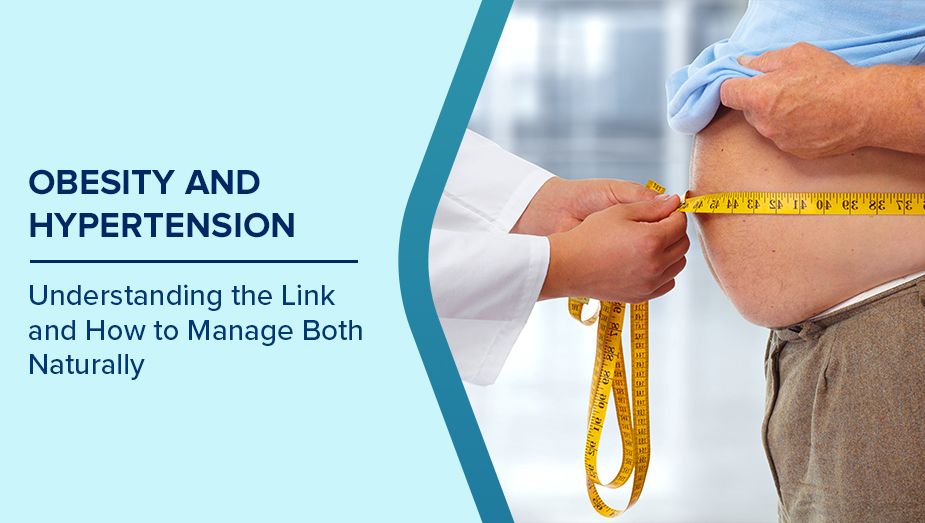
Obesity is a condition where a person has too much body fat, usually measured using Body Mass Index (BMI). A Body Mass Index (BMI) above 25 is classified as overweight, and a BMI over 30 is categorised as obese. It's not just about weight, obesity affects your body's metabolism and increases the risk of many diseases.
Hypertension, also known as high blood pressure, occurs when the pressure of blood flowing through your arteries remains consistently elevated. A blood pressure reading of 140/90 mmHg or above is generally considered hypertension.
Both conditions are common in urban India and are increasingly affecting people as young as 25 due to poor diet, sedentary lifestyle, stress, and lack of sleep.
The Connection Between Obesity and High Blood Pressure
Obesity is one of the leading causes of hypertension. Here's how:
- Extra body fat puts pressure on blood vessels, making it harder for the heart to pump blood efficiently.
- Fat tissues release chemicals that increase inflammation and affect the kidney's ability to regulate blood pressure.
- Being overweight can lead to insulin resistance, which may also increase blood pressure.
This close relationship is often referred to as obesity-related hypertension, and it's a major risk factor for heart attacks, stroke, and kidney disease.
Common Causes and Risk Factors
Knowing the causes of obesity and high blood pressure can guide you to make better and healthier decisions. Some of the main causes include:
- Unhealthy diet high in sugar, salt, processed foods, and unhealthy fats
- Lack of physical activity
- Excessive alcohol consumption
- Smoking
- Chronic stress
- Poor sleep quality
- Genetic factors and family history
- Hormonal imbalances or underlying medical conditions like hypothyroidism
How to Reduce Weight and Blood Pressure Naturally
The good news is that both conditions can be tackled with natural approaches. You don't need extreme diets or expensive supplements. Instead, small, consistent changes in your lifestyle can bring long-lasting results.
Eat Mindfully
Focus on a balanced and nutritious diet for obesity and hypertension:
- Eat more fruits and vegetables. At least five servings a day
- Choose whole grains over refined ones (brown rice, oats, whole wheat)
- Include lean proteins like dal, beans, tofu, eggs, or fish
- Limit salt intake to under 5 grams per day
- Avoid sugary drinks, fried foods, and packaged snacks
One effective dietary plan is the DASH (Dietary Approaches to Stop Hypertension) diet, which promotes heart-healthy eating habits.
Stay Active Daily
Physical activity is important for weight loss and blood pressure control.
Here are some simple exercises to control blood pressure and weight:
- Brisk walking for 30 to 45 minutes, 5 days a week
- Yoga and deep breathing to reduce stress and improve circulation
- Strength training twice a week (use body weight or light weights)
- Stretching and light cardio like cycling, dancing, or swimming
Start slow if you're new to exercise. Even 15 minutes a day can make a big difference.
Improve Sleep Quality
Lack of sleep can increase stress hormones and increase hunger, leading to weight gain and an increased risk of high blood pressure. Aim for 7 to 8 hours of uninterrupted sleep each night.
- Maintain a regular sleep schedule
- Avoid screens 30 minutes before bed
- Keep your bedroom cool and dark
Manage Stress Naturally
Chronic stress triggers the release of cortisol, a hormone that raises blood pressure and encourages fat storage.
Try these stress-reduction methods:
- Deep breathing or pranayama
- Meditation or mindfulness
- Journaling or listening to calming music
- Spending time in nature or with loved ones
Stay Hydrated
Drinking enough water helps flush out excess sodium and supports metabolism. Aim for 8 to 10 glasses of water daily unless advised otherwise by your doctor.
Lifestyle Changes for Obesity and Hypertension
These habits may seem simple, but they are powerful when done consistently:
- Avoid smoking and reduce alcohol intake
- Eat home-cooked meals and carry healthy snacks when travelling
- Read food labels to check for hidden salt and sugar
- Take short movement breaks during long sitting hours
- Weigh yourself weekly to stay on track
When to Consult a Doctor
While lifestyle changes are very effective, it's important to see a doctor if:
- Your blood pressure is regularly above 140/90 mmHg
- You have a family history of hypertension or heart disease
- You're unable to lose weight despite your efforts
- You experience symptoms like chest pain, frequent headaches, or shortness of breath
A doctor can check for underlying causes and may recommend medications, blood tests, or other treatments if needed.
Conclusion
Obesity and hypertension are silent threats that can harm your health over time. But they don't have to control your life. With the right mix of food, movement, sleep, and stress management, you can take back control of your health naturally.
Start small, stay consistent, and don't be afraid to ask for support. If you're struggling to manage your weight or blood pressure, talk to a doctor or health expert today. It's never too early or too late to prioritise your health.
Frequently Asked Questions
Can losing just a few kilos reduce high blood pressure?
Yes, even a 5-10% reduction in body weight can significantly lower your blood pressure and improve your heart health.
What Indian foods are good for managing obesity and hypertension?
Foods like lauki (bottle gourd), palak, methi, dal, brown rice, curd, and fruits like guava and papaya are great choices. Avoid pickles, papads, and fried snacks.
Is obesity-related hypertension reversible without medicines?
In many cases, yes. With regular exercise, a proper diet, and stress control, you can bring down both weight and BP levels naturally. However, some may still need medication.
Does drinking water help lower blood pressure and weight?
Yes, staying hydrated supports a better metabolism, reduces appetite, and helps flush out excess sodium that can contribute to high blood pressure.
Are herbal remedies effective for hypertension and obesity?
Certain herbs, such as ashwagandha, garlic, and Triphala, have been shown to have benefits in traditional medicine. But always consult your doctor before using herbal supplements alongside prescribed treatment.
Written and Verified by:

Related Blogs

Dr. Puneet Arora In Nephrology
Nov 11 , 2020 | 2 min read

Nov 11 , 2020 | 9 min read
Blogs by Doctor

Exploring Dialysis and Kidney Transplant: Which Treatment is Right for You
Dr. Vijay Kumar Sinha In Nephrology , Kidney Transplant
Apr 17 , 2025 | 4 min read
Obesity and Hypertension: Natural Ways to Manage Both
Dr. Vijay Kumar Sinha In Nephrology , Kidney Transplant
Jun 24 , 2025 | 4 min read
Most read Blogs


Related Blogs
Dr. Puneet Arora In Nephrology
Nov 11 , 2020 | 2 min read
Nov 11 , 2020 | 9 min read
Blogs by Doctor
Exploring Dialysis and Kidney Transplant: Which Treatment is Right for You
Dr. Vijay Kumar Sinha In Nephrology , Kidney Transplant
Apr 17 , 2025 | 4 min read
Obesity and Hypertension: Natural Ways to Manage Both
Dr. Vijay Kumar Sinha In Nephrology , Kidney Transplant
Jun 24 , 2025 | 4 min read
Most read Blogs