 WhatsApp Us (24/7)
 +91 926 888 0303 (24/7)


To Book an Appointment
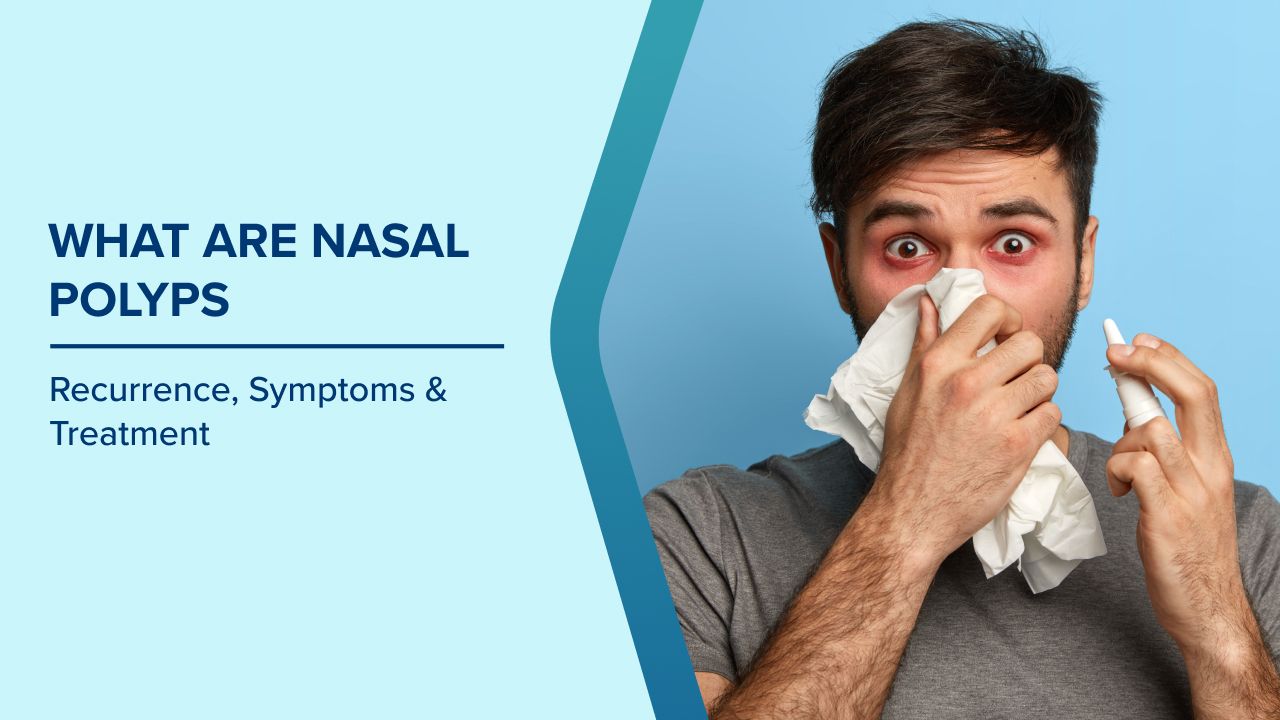
Call Us+91 926 888 0303What Are Nasal Polyps: Recurrence, Symptoms & Treatment
By Dr. Ravinder Gera in ENT(Ear Nose Throat)
Jun 18 , 2026

Nasal polyps are soft, non-cancerous growths that develop in the lining of the nasal passages or sinuses due to long-term inflammation. They may seem harmless at first, but they can significantly affect breathing, smell, sleep quality, and overall comfort.
One of the most common concerns patients have is: “If I get treated, can nasal polyps come back again?” The short answer is yes, but recurrence depends on several factors, including the underlying cause, treatment type, and ongoing care.
What Are Nasal Polyps?
Nasal Polyps are usually associated with chronic inflammation of the nasal lining. They often occur alongside conditions such as chronic sinusitis, asthma, allergies, or medication sensitivity.
Common Symptoms Include
- Blocked or congested nose
- Reduced or lost sense of smell
- Frequent sinus infections
- Post-nasal drip
- Facial pressure or headache
Treatment Options for Nasal Polyps
At advanced ENT centres like Max Hospital, Gurugram, treatment is planned based on severity and underlying cause.
Medications
- Nasal corticosteroid sprays
- Oral steroids (short-term)
- Antihistamines for allergy control
- Saline nasal irrigation
These help reduce inflammation and shrink polyps, especially in early stages.
Endoscopic Sinus Surgery
When medications are not enough, minimally invasive surgery may be recommended to remove polyps and clear blocked sinus passages. This improves breathing and sinus drainage.
Can Nasal Polyps Come Back After Treatment?
Yes, recurrence is possible. Nasal polyps are not just a “growth problem”; they are a chronic inflammatory condition. Even after successful treatment, they may return if inflammation continues.
Factors that Increase Recurrence
- Chronic sinus infections
- Uncontrolled allergies or asthma
- Incomplete treatment of underlying inflammation
- Exposure to environmental irritants (dust, pollution, smoke)
- History of previous polyp surgery
How to Reduce the Risk of Recurrence
Long-term management is key. ENT specialists typically recommend:
- Regular use of prescribed nasal sprays
- Allergy control and testing if needed
- Saline nasal rinses to keep passages clear
- Avoiding smoke, dust, and pollution exposure
- Routine follow-ups with an ENT specialist
- Managing asthma or other related conditions effectively
At Max Hospital, Gurugram, ENT specialists focus not only on removing polyps but also on controlling the underlying inflammation to reduce the risk of recurrence.
When to See a Doctor Again?
You should revisit your ENT specialist if you notice:
- Return of nasal blockage
- Reduced sense of smell again
- Frequent sinus infections
- Persistent headache or facial pressure
Early intervention can prevent the development of larger polyps and complications.
Conclusion
Nasal polyps can be effectively treated, but they require long-term management rather than one-time treatment. With proper medical care, lifestyle control, and regular follow-ups, recurrence can be significantly reduced.
At Max Hospital, Gurugram, ENT specialists provide comprehensive care for nasal polyps, focusing on both treatment and prevention to help patients breathe easier and live better.
Written and Verified by:

Related Blogs


Dr. Ravinder Gera In ENT(Ear Nose Throat)
Nov 08 , 2020 | 2 min read
Blogs by Doctor
If You Could Make Your Deaf Child Hear, What Would You do? Get a Cochlear Implant?
Dr. Ravinder Gera In ENT(Ear Nose Throat)
Nov 08 , 2020 | 2 min read

What is Cochlear Implant: Eligibility, Pre-Surgery & Complications
Aug 27 , 2024 | 1 min read
Most read Blogs


Related Blogs
Dr. Ravinder Gera In ENT(Ear Nose Throat)
Nov 08 , 2020 | 2 min read
Blogs by Doctor
If You Could Make Your Deaf Child Hear, What Would You do? Get a Cochlear Implant?
Dr. Ravinder Gera In ENT(Ear Nose Throat)
Nov 08 , 2020 | 2 min read
What is Cochlear Implant: Eligibility, Pre-Surgery & Complications
Aug 27 , 2024 | 1 min read
Most read Blogs