 WhatsApp Us (24/7)
 +91 926 888 0303 (24/7)


To Book an Appointment
Call Us+91 926 888 030310 Tips to Manage High Blood Pressure
By Dr. Namrita Singh in Internal Medicine
Jan 05 , 2026 | 10 min read

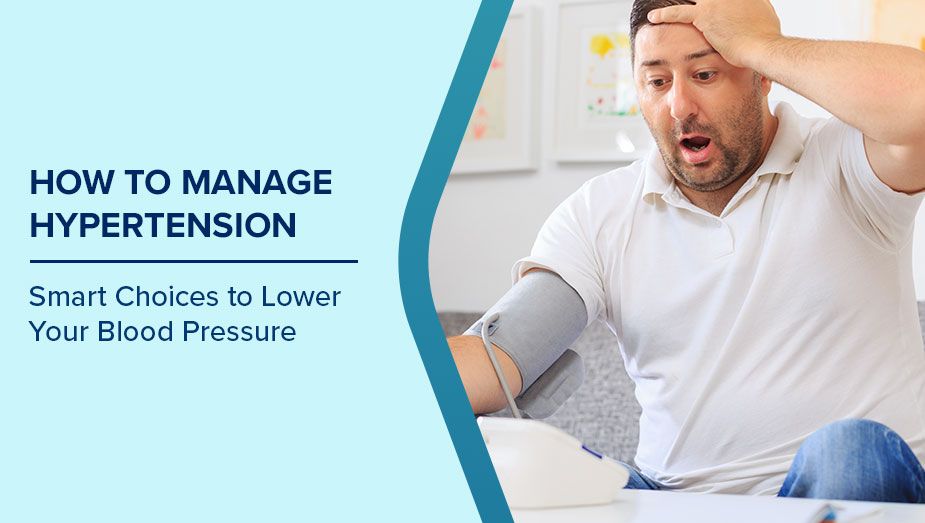
High blood pressure, medically known as hypertension, is a common condition that often develops without any noticeable symptoms, making it difficult to detect until more serious health issues arise; over time, it can damage the heart and blood vessels, increasing the risk of heart disease and stroke. Managing high blood pressure can be challenging, but there are steps that you can take to keep it under control. Besides medications, small and consistent adjustments to diet, exercise, and stress management can make a big difference. In this blog, we’ll share some simple tips to help manage high blood pressure. But first, let’s understand what causes high blood pressure.
What Reasons for High Blood Pressure?
High blood pressure occurs when the pressure of blood against the walls of the arteries is consistently too high. It can develop due to various factors, each contributing to increased strain on the heart and blood vessels. These include:
- Unhealthy diet: A diet high in salt, processed foods, and unhealthy fats can cause fluid retention, leading to an increase in blood pressure. Inadequate intake of potassium, which helps balance the amount of sodium in the cells, can also contribute to high blood pressure.
- Physical inactivity: Lack of regular exercise often leads to weight gain, which can strain the cardiovascular system. Physical inactivity can also cause blood vessels to become less flexible, raising the risk of hypertension.
- Obesity: Excess body weight requires more blood to supply oxygen and nutrients to tissues, which increases the workload on the heart and raises blood pressure.
- Age: As people age, the arteries naturally lose some of their elasticity, making it harder for blood to flow freely. This can cause blood pressure to rise over time.
- Genetics: A family history of high blood pressure increases the likelihood of developing the condition. If one or both parents have hypertension, the risk is significantly higher.
- Chronic stress: Long-term stress can lead to an increase in blood pressure. Stress activates the body's fight-or-flight response, which releases hormones that temporarily raise blood pressure. Over time, chronic stress can cause persistent hypertension.
- Alcohol and tobacco use: Excessive alcohol consumption can raise blood pressure by causing the heart to beat faster and increasing blood vessel tension. Smoking contributes to the narrowing of blood vessels, making the heart work harder and increasing blood pressure.
- Other health conditions: Certain health conditions, such as kidney disease, sleep apnea, and diabetes, can lead to high blood pressure. These conditions disrupt the body's ability to regulate blood pressure, often leading to hypertension.
What are the Symptoms of High Blood Pressure?
High blood pressure is often referred to as a "silent killer" because it typically doesn't show noticeable symptoms until significant damage has already occurred to the heart and blood vessels. However, in some cases, individuals with high blood pressure may experience:
- Headaches: These may be frequent and severe, often occurring in the morning.
- Dizziness or lightheadedness: High blood pressure can cause feelings of dizziness, especially when standing up quickly.
- Shortness of breath: This can happen if the heart is strained by high blood pressure, making it harder to breathe during physical activity or even at rest.
- Chest pain: In severe cases, high blood pressure can cause chest discomfort, which may indicate a risk of heart attack or other serious complications.
- Blurred vision: High blood pressure can damage the blood vessels in the eyes, leading to vision problems.
- Nosebleeds: Although not common, frequent nosebleeds can sometimes be a sign of very high blood pressure.
Managing High Blood Pressure
Managing high blood pressure involves more than just medication. Several lifestyle changes and natural remedies can play a significant role in supporting overall health and maintaining blood pressure levels. Incorporating these habits into daily routines can help individuals with high blood pressure take charge of their health and contribute to better long-term outcomes. Here are some simple tips that can go a long way in managing high blood pressure:
1. Maintain a Healthy Diet
Diet plays a crucial role in managing blood pressure. A diet rich in whole grains, lean proteins, fruits, and vegetables can help reduce high blood pressure. Reducing sodium intake is essential, as too much salt can cause the body to retain water, increasing blood pressure. Replacing processed foods with fresh, nutrient-rich options helps support heart health and keeps blood pressure in check.
Key Dietary Changes to Consider:
- Increase fruits and vegetables: Rich in potassium, these help balance sodium levels and relax blood vessels.
- Include whole grains: Foods like oats, brown rice, and quinoa help improve circulation and blood flow.
- Limit sodium intake: Reducing your salt intake, ideally under 2,300 mg per day, can help lower blood pressure.
- Opt for lean proteins: Foods like chicken, fish, and beans are healthier alternatives to fatty cuts of meat.
2. Regular Physical Activity
Exercise is one of the most effective ways to lower high blood pressure. It strengthens the heart, enabling it to pump blood more efficiently, which reduces pressure on the arteries. Regular exercise can also help maintain a healthy weight, another important factor in blood pressure control.
Recommended Types of Exercise:
- Brisk walking or cycling for at least 30 minutes a day.
- Swimming or aerobics can provide a full-body workout that helps improve circulation.
- Strength training twice a week can further enhance heart health and boost metabolism.
3. Reduce Stress Levels
Chronic stress is a major contributor to high blood pressure. Long-term stress can cause temporary spikes in blood pressure, and if not managed, these spikes can become more permanent. Practising relaxation techniques can reduce stress and lower blood pressure over time.
Stress-Reducing Techniques:
- Meditation and deep breathing exercises can help calm the mind and body.
- Yoga and tai chi are gentle, effective ways to reduce stress and improve flexibility.
- Spending time in nature or practicing mindfulness helps clear the mind and reduce mental strain.
4. Limit Alcohol and Tobacco Use
Both alcohol and tobacco have negative effects on blood pressure. Alcohol in excess can cause a temporary increase in blood pressure, and chronic consumption can contribute to long-term hypertension. Limit alcohol to moderate levels, generally one drink per day for women and two drinks per day for men. Smoking tobacco damages blood vessels, causing them to narrow and stiffen, which raises blood pressure.
5. Increase Potassium and Magnesium Intake
Potassium helps balance the amount of sodium in the body, which can help lower blood pressure. Magnesium is also important for heart health, as it helps regulate blood pressure and supports normal blood vessel function. Incorporating foods rich in these nutrients can have a positive impact on blood pressure.
Foods High in Potassium and Magnesium:
- Bananas, sweet potatoes, and spinach are rich in potassium.
- Nuts, seeds, and legumes provide a good source of magnesium.
6. Limit Caffeine Intake
Caffeine can cause a temporary increase in blood pressure, particularly for those who are sensitive to it. While the effect is usually short-lived, it can contribute to higher blood pressure over time if consumed in large amounts. Reducing caffeine intake, especially from coffee and energy drinks, can help maintain healthy blood pressure levels. Switch to herbal teas, such as chamomile or peppermint, which are naturally caffeine-free.
7. Stay Hydrated
Proper hydration is essential for maintaining healthy blood pressure levels. Water helps maintain the volume of blood, which is essential for regulating pressure in the arteries. Dehydration can cause blood pressure to drop, which may affect circulation and heart function. Drink plenty of water throughout the day, aiming for at least 8 glasses a day. Avoid sugary beverages and opt for water or herbal teas to stay hydrated.
8. Garlic
Garlic has long been known for its heart-health benefits. It can help relax blood vessels, improving blood flow and potentially reducing blood pressure. Several studies suggest that garlic supplements or consuming raw garlic can lower blood pressure.
Ways to Include Garlic in Your Diet:
- Add crushed or chopped garlic to your meals for flavour and health benefits.
- Take garlic supplements (under medical supervision) if preferred.
9. Lemon Water
Drinking lemon water regularly can have a positive impact on blood pressure. Lemons are high in vitamin C, an antioxidant that helps strengthen blood vessels and improve circulation. The alkalizing effect of lemon juice may also help in regulating blood pressure levels.
- Drink a glass of lemon water first thing in the morning to kickstart your day.
- Add lemon to your water throughout the day for a refreshing, heart-healthy beverage.
10. Ensure Adequate Sleep
Getting enough quality sleep is vital for overall health, including blood pressure regulation. Poor sleep can lead to higher stress levels and increased blood pressure. Aim for 7–8 hours of sleep each night to allow your body to rest and reset.
Tips for Better Sleep:
- Stick to a regular sleep schedule by going to bed and waking up at the same time each day.
- Create a calming bedtime routine by avoiding screens and stressful activities before sleep.
When to Seek Medical Advice?
Managing high blood pressure is crucial for overall health, but there are times when it's important to seek professional medical advice to ensure proper care and management. Here are some situations in which you should seek medical advice:
- Uncontrolled Blood Pressure: If your blood pressure remains high despite making lifestyle changes, it's important to consult with a healthcare provider. A doctor can assess the situation and recommend appropriate treatment options.
- Severe Symptoms: If you experience severe symptoms like chest pain, shortness of breath, or severe headaches, it’s crucial to seek immediate medical attention. These could be signs of a hypertensive crisis or other serious health concerns.
- Persistent Symptoms: If you notice consistent symptoms like dizziness, blurred vision, or unexplained fatigue, consult with a healthcare professional to rule out underlying health issues.
- Changes in Medication or Treatment Needs: If your blood pressure medication is no longer effective or you experience side effects, your healthcare provider can adjust your treatment plan or explore other options.
- Pre-existing Conditions: If you have other health conditions, such as diabetes or kidney disease, managing high blood pressure becomes even more critical. Regular medical consultations are essential to manage both conditions simultaneously.
If in doubt, always err on the side of caution. Regular check-ups and maintaining an open line of communication with your healthcare provider are key to managing high blood pressure effectively and reducing the risk of complications.
Consult Today
Managing high blood pressure is not just about monitoring numbers; it's about taking consistent, proactive steps towards better health. The home remedies highlighted earlier are key components of a broader approach to better health. However, sometimes professional guidance becomes essential. At Max Hospital, we’re here to offer the support and care needed to help you take control of your health. Reach out to our specialists for advice on managing high blood pressure and to ensure you’re on the right track. Your well-being is our priority, and together, we can work towards a healthier future.
Frequently Asked Questions
Can high blood pressure be reversed with natural remedies?
High blood pressure typically cannot be fully reversed, but it can be effectively managed through a combination of lifestyle changes, diet, exercise, and stress management. These measures can help lower blood pressure and reduce the risk of complications.
How long does it take for home remedies to show results in lowering blood pressure?
The time it takes to see improvements can vary depending on individual factors such as overall health, lifestyle changes, and the severity of high blood pressure. Some changes, like adopting a healthier diet or exercising regularly, may show results within a few weeks, while others may take longer.
Are there any side effects of using natural remedies to manage high blood pressure?
While natural remedies are generally safe, some individuals may experience mild side effects, such as digestive issues or changes in energy levels, when altering their diet or exercise routine. It is always important to consult with a healthcare provider before trying any new remedy, especially if you have underlying health conditions.
How often should I monitor my blood pressure if I have high blood pressure?
It is recommended to monitor your blood pressure regularly, especially if you have been diagnosed with high blood pressure. Your doctor can advise on how often you should check it, but generally, it is beneficial to check it at least once a week at home or more frequently if prescribed by your healthcare provider.
Are home remedies effective for people with severe high blood pressure?
Home remedies can be beneficial in managing blood pressure, especially for mild to moderate cases. However, individuals with severe hypertension should work closely with their healthcare provider to develop a comprehensive treatment plan that may include medication in addition to lifestyle changes.
Can I continue with my current medication while using home remedies for high blood pressure?
In most cases, natural remedies can be used alongside medication for high blood pressure. However, it’s crucial to discuss any changes with your healthcare provider to ensure there are no interactions between your medication and the remedies you’re considering.
How can I stay motivated to make long-term changes to manage high blood pressure?
Staying motivated can be challenging, but setting realistic goals, tracking progress, and celebrating small victories can help. Joining a support group or involving family members in your efforts can also make the journey easier and more encouraging.
Written and Verified by:

Related Blogs


Dr. Vandana Boobna In Internal Medicine
Nov 08 , 2020 | 2 min read
Blogs by Doctor

What is Anaemia: Symptoms, Causes & Prevention Strategies
Dr. Namrita Singh In Internal Medicine
Jul 29 , 2024 | 3 min read

Typhoid Fever Symptoms, Diagnosis, and Debunking Common Myths
Dr. Namrita Singh In Internal Medicine
Jul 31 , 2024 | 2 min read
Most read Blogs


Related Blogs
Dr. Vandana Boobna In Internal Medicine
Nov 08 , 2020 | 2 min read
Blogs by Doctor
What is Anaemia: Symptoms, Causes & Prevention Strategies
Dr. Namrita Singh In Internal Medicine
Jul 29 , 2024 | 3 min read
Typhoid Fever Symptoms, Diagnosis, and Debunking Common Myths
Dr. Namrita Singh In Internal Medicine
Jul 31 , 2024 | 2 min read
Most read Blogs