 WhatsApp Us (24/7)
 +91 926 888 0303 (24/7)


To Book an Appointment
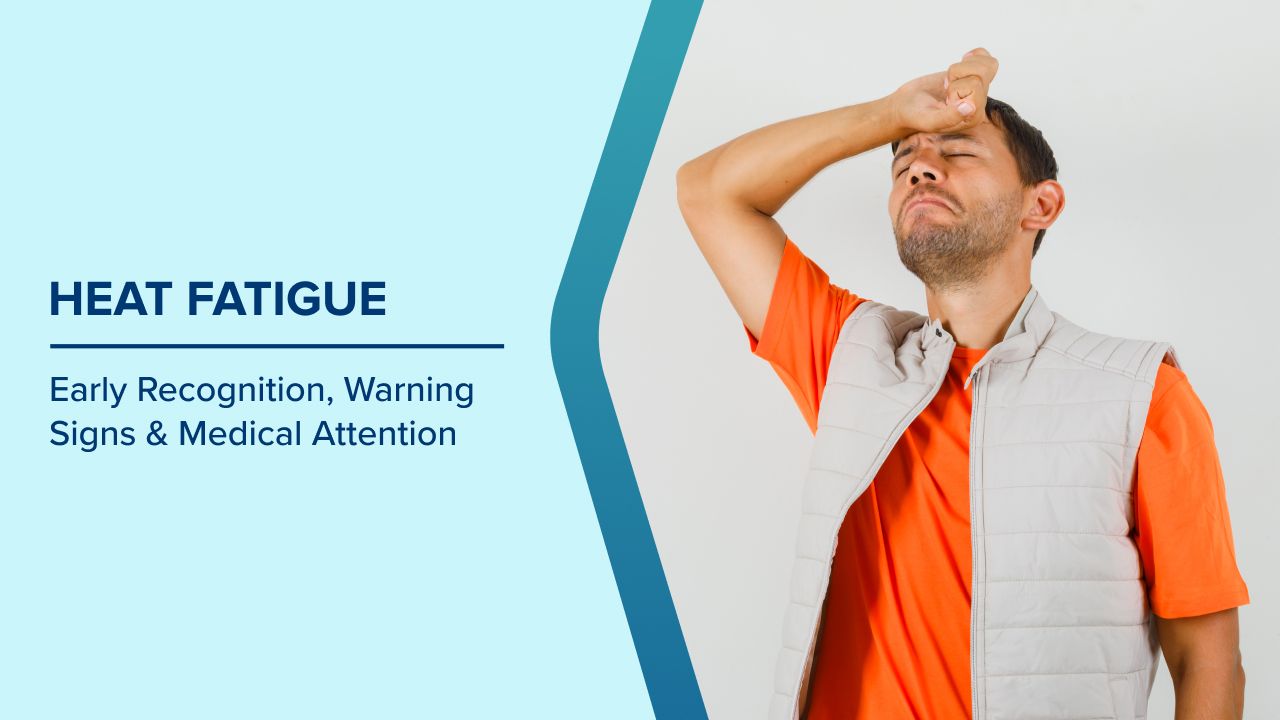
Call Us+91 926 888 0303Heat Fatigue: Early Recognition, Warning Signs & Medical Attention
By Dr. Vineet Arora in Internal Medicine
May 15 , 2026

Feeling tired during hot weather is common, especially in peak summer. But not all fatigue is harmless. While heat can temporarily drain your energy, there are times when fatigue may be signalling something that needs medical attention.
Understanding the difference between heat-related tiredness and a more serious underlying issue can help you respond early and avoid complications.
Why Does Heat Make You Feel So Tired?
When temperatures rise, your body works harder to maintain a stable internal temperature. This process uses extra energy, which can leave you feeling drained even without much physical activity.
Some common reasons include:
- Increased sweating leading to fluid and salt loss
- Reduced appetite, causing lower energy intake
- Poor sleep due to discomfort at night
- Blood flow shifting towards the skin to cool the body
This type of fatigue is usually temporary and improves with rest, hydration, and cooling.
What Does “Normal” Heat Fatigue Feel Like?
Heat-related fatigue tends to follow a predictable pattern. It usually appears during or after exposure to high temperatures and improves once the body cools down.
Typical features of heat fatigue:
- Feeling tired mainly during the hottest part of the day
- Mild dizziness or heaviness
- Low energy after outdoor activity
- Increased thirst
- Improvement after drinking fluids or resting in a cool space
This type of tiredness is usually manageable and does not interfere significantly with daily functioning once you recover.
When Fatigue May Not Be Just About Heat
Not all fatigue during summer is caused by heat. Sometimes, heat can simply mask or worsen an existing health issue.
You should pay closer attention if fatigue:
- Feels unusually intense or persistent
- Occurs even in cool environments
- Does not improve with hydration or rest
- Gradually worsens over days
These patterns suggest that the cause may go beyond simple heat exposure.
Key Differences: Heat Fatigue vs Concerning Fatigue
Understanding subtle differences can help you decide when to take fatigue seriously.
Heat-Related Fatigue
- Linked to hot weather or outdoor exposure
- Improves within a few hours after cooling down
- Associated with thirst and sweating
- Energy returns with rest and hydration
Concerning Fatigue
- Persists regardless of temperature
- May be present even after a full night’s sleep
- Feels heavier, deeper, or unexplained
- Often comes with other unusual symptoms
Recognising this distinction is important, especially during prolonged heatwaves when symptoms can overlap.
Signs That Your Fatigue Needs Attention
Certain symptoms, along with fatigue, may indicate that it is not just due to heat.
Physical Warning Signs
- Breathlessness during mild activity
- Unusual paleness or weakness
- Rapid or irregular heartbeat
- Frequent headaches that do not settle
Mental and Functional Changes
- Difficulty focusing or thinking clearly
- Feeling unusually irritable or low
- Reduced ability to complete routine tasks
- Feeling exhausted even after minimal effort
Pattern-Based Clues
- Fatigue lasting more than a few days
- No clear link with heat exposure
- Energy levels not improving despite rest
These signs suggest that the body may be dealing with more than just temperature-related stress.
Why Heat Can Make Hidden Problems Worse
Hot weather does not always cause fatigue directly. In many cases, it intensifies existing imbalances in the body.
For example:
- Dehydration can worsen circulation and oxygen delivery
- Loss of electrolytes can affect muscle and nerve function
- Heat stress can strain the heart and increase workload
- Poor sleep due to heat can amplify existing tiredness
As a result, a mild issue may feel more severe during summer, making it important to look beyond the obvious cause.
Situations Where You Should Be More Careful
Certain individuals may find it harder to distinguish between heat fatigue and something more serious.
People with Existing Health Conditions
Fatigue may worsen quickly, and recovery may take longer, even with mild heat exposure.
Outdoor Workers and Active Individuals
Continuous exposure to heat may hide early warning signs of more serious problems.
Older Adults
The body’s ability to regulate temperature reduces with age, making symptoms less predictable.
People with Irregular Hydration or Eating Patterns
Skipping meals or not drinking enough fluids can make fatigue feel more intense and prolonged.
Being aware of these situations helps in early recognition and timely action.
Simple Self-Check: Is It Just Heat?
Before assuming fatigue is harmless, a quick self-check can help you assess your condition.
Ask yourself:
- Did this start after being in the heat?
- Does it improve within a few hours of cooling down?
- Am I feeling better after drinking fluids?
- Is my energy returning gradually?
If the answer to most of these is yes, it is likely heat-related.
If the answer is no, or symptoms persist, it is worth paying closer attention and consulting a doctor.
What You Can Do If It Is Heat-Related
If your fatigue is linked to heat, simple measures can help restore energy.
Helpful steps:
- Drink fluids regularly throughout the day
- Take breaks in cool or shaded environments
- Avoid peak heat hours
- Eat light, balanced meals
- Ensure proper sleep in a comfortable setting
These steps usually bring noticeable improvement within a short time.
When to Seek Medical Advice
It is important not to ignore fatigue when it does not follow a normal pattern.
Consult a doctor if:
- Fatigue lasts more than a few days
- It interferes with daily routine or work
- It is accompanied by breathlessness or chest discomfort
- You feel faint, confused, or unusually weak
- Symptoms appear suddenly without a clear reason
Early evaluation helps identify the cause and prevents complications.
Why Early Recognition Matters
Fatigue is often dismissed as a minor issue, especially during hot weather. However, ignoring persistent symptoms can delay diagnosis of underlying problems.
Timely attention helps:
- Identify treatable conditions early
- Prevent worsening of symptoms
- Improve overall recovery
- Restore normal energy levels faster
Listening to your body is one of the simplest yet most effective ways to protect your health.
Conclusion
Fatigue during hot weather is common, but it should not always be assumed to be harmless. While heat can temporarily lower energy levels, fatigue that feels unusual, persistent, or unexplained may require closer attention.
Understanding the difference between heat-related tiredness and potential warning signs helps you respond appropriately. A simple awareness of patterns, symptoms, and recovery can make a significant difference.
If something feels off or does not improve as expected, it is always better to seek medical advice rather than ignore it.
Frequently Asked Questions
Can heat alone cause extreme fatigue?
Yes, but it usually improves quickly with rest, cooling, and hydration.
Why do I feel tired even when I stay indoors during summer?
Indoor heat, poor ventilation, and dehydration can still affect energy levels.
Is it normal to feel more tired in summer than in winter?
Yes, higher temperatures can strain the body and reduce energy levels.
Can lack of sleep during hot nights worsen fatigue?
Yes, disturbed sleep significantly reduces daytime energy and recovery.
Should I ignore fatigue if it comes and goes?
No, recurring fatigue without a clear reason should be evaluated.
Written and Verified by:

Related Blogs


Dr. Vandana Boobna In Internal Medicine
Nov 08 , 2020 | 2 min read
Blogs by Doctor

Monkeypox Outbreak in India: Symptoms, Causes, and Prevention Guide
Dr. Vineet Arora In Endocrinology & Diabetes
Aug 20 , 2024 | 3 min read

What Causes Low Blood Sugar: How to Manage & Prevention
Dr. Vineet Arora In Endocrinology & Diabetes , Internal Medicine
Jan 28 , 2025 | 6 min read
Most read Blogs


Related Blogs
Dr. Vandana Boobna In Internal Medicine
Nov 08 , 2020 | 2 min read
Blogs by Doctor
Monkeypox Outbreak in India: Symptoms, Causes, and Prevention Guide
Dr. Vineet Arora In Endocrinology & Diabetes
Aug 20 , 2024 | 3 min read
What Causes Low Blood Sugar: How to Manage & Prevention
Dr. Vineet Arora In Endocrinology & Diabetes , Internal Medicine
Jan 28 , 2025 | 6 min read
Most read Blogs