 WhatsApp Us (24/7)
 +91 926 888 0303 (24/7)


To Book an Appointment
Call Us+91 926 888 0303Why Cancer Occur: Early Signs and Risks Factor
By Dr. Dodul Mondal in Paediatric (Ped) Oncology , Radiation Oncology , Cancer Care / Oncology , Musculoskeletal Oncology , Breast Cancer , Thoracic Oncology , Head & Neck Oncology , Neuro Oncology , Gastrointestinal & Hepatobiliary Oncology
Jun 18 , 2026

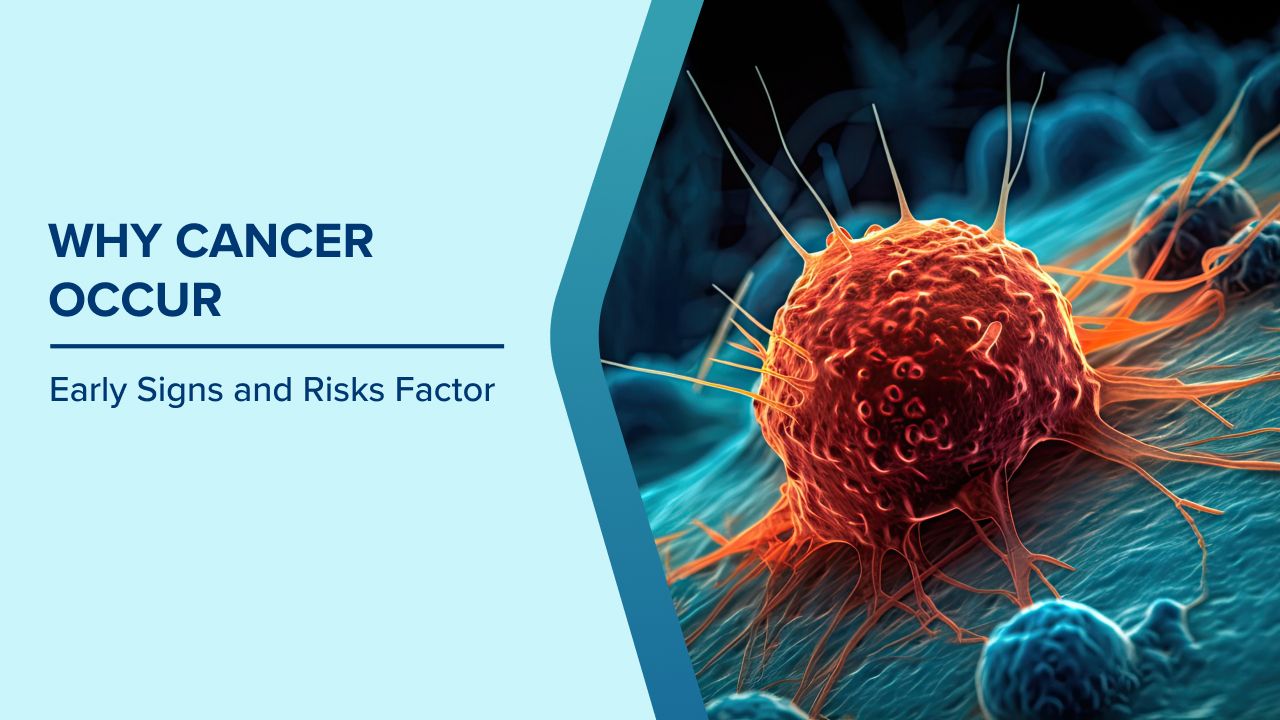
Cancer is the uncontrolled growth of abnormal cells in the body. It can develop in almost any organ or tissue, from the skin to internal organs.
Under normal circumstances, cells grow, divide, and die in a highly regulated manner. Cancer develops when certain cells bypass these natural control mechanisms and continue to grow unchecked. As these abnormal cells multiply, they form masses or invade surrounding tissues, leading to the development of cancer.
Is a Tumour the Same as Cancer?
The answer is no. A tumour is simply an abnormal growth, lump, or swelling that can occur anywhere in the body. Not all tumours are cancerous.
Tumours are generally classified into two categories:
Benign Tumours
Benign tumours are non-cancerous growths that typically:
- Grow slowly
- Remain confined to one location
- Do not spread to other parts of the body
- Usually cause problems only due to their size or location
Malignant Tumours (Cancer)
Malignant tumours are cancerous growths that:
- Continue to grow progressively
- Invade nearby tissues
- Can spread to other organs and body parts
- May become life-threatening if left untreated
In medical terms, the words malignant tumour, malignant neoplasm, and cancer are often used interchangeably.
Therefore, discovering a lump or swelling does not automatically mean cancer. In fact, only a small percentage of tumours are ultimately diagnosed as malignant.
Should a Lump or Swelling Be Ignored?
No, any new lump, swelling, or unusual growth should be evaluated by a qualified medical professional. Early assessment allows timely diagnosis and appropriate treatment if required.
Individuals are encouraged to seek care from registered medical practitioners and recognised healthcare institutions rather than relying on unqualified or unverified sources of treatment.
Why Does Cancer Occur?
Cancer develops due to changes in a cell's genetic material, known as DNA mutations. Genes provide instructions that regulate how cells grow, divide, and function. When these instructions become altered, abnormal cell growth can occur, eventually leading to cancer.
Why Do Gene Mutations Happen?
Some genetic mutations are inherited and present from birth. Others develop over time as a result of environmental exposures, lifestyle factors, or normal ageing. Known contributors to genetic mutations include:
- Tobacco use
- Radiation exposure
- Certain viruses
- Cancer-causing chemicals (carcinogens)
- Obesity
- Hormonal influences
- Chronic inflammation
- Physical inactivity
However, cancer is a complex disease, and many questions regarding its exact causes remain under investigation.
Common Risk Factors for Cancer
Age
Cancer often takes years or even decades to develop. As a result, the risk generally increases with age.
Lifestyle Habits
Several lifestyle factors are linked to increased cancer risk, including:
- Smoking
- Tobacco chewing
- Excessive alcohol consumption
- Obesity
- Frequent sun exposure and severe sunburns
- Unsafe sexual practices
Tobacco use remains one of the leading causes of cancer and is strongly associated with cancers of the mouth, throat, lungs, oesophagus, and several other organs. Many of these risk factors are modifiable, highlighting the importance of healthy lifestyle choices.
Family History
Certain cancers can run in families, including:
- Breast cancer
- Colon cancer
- Ovarian cancer
- Uterine cancer
Having a close relative with cancer does not guarantee that cancer will develop, but it may increase risk. Individuals with a strong family history may benefit from medical counselling and risk assessment.
Existing Medical Conditions
Some chronic health conditions are associated with an increased risk of cancer. Examples include:
- Ulcerative colitis
- Chronic non-healing ulcers
- Long-standing untreated gastritis
Although cancer remains a relatively uncommon complication of these conditions, regular medical follow-up is important.
Environmental Factors
Environmental pollution is an increasing concern worldwide. Air pollution contains harmful substances that can enter the lungs, bloodstream, and various tissues throughout the body. Long-term exposure may contribute to an increased risk of several diseases, including cancer.
Lack of Physical Activity
Physical inactivity has been linked to a higher risk of certain cancers, including breast cancer and colon cancer. Regular exercise is an important component of overall health and cancer prevention.
Diet
Dietary habits may also influence cancer risk. Factors associated with increased risk include:
- Frequent consumption of processed foods
- Excessive intake of unhealthy foods
- Low intake of fruits, vegetables, and dietary fibre
Adopting a balanced and nutritious diet remains an important preventive strategy.
Early Warning Signs of Cancer
Cancer can cause a wide variety of symptoms. One helpful way to remember common warning signs is through the acronym CAUTION:
- C: Change in bowel or bladder habits
- A: A sore that does not heal
- U: Unusual bleeding or discharge
- T: Thickening or lump in any part of the body
- I: Indigestion or difficulty swallowing
- O: Obvious change in the size, colour, shape, or thickness of a mole, wart, or mouth sore
- N: Nagging cough or persistent hoarseness
A healthcare professional should evaluate any persistent or unexplained symptom.
How Is Cancer Diagnosed?
Different tests are used to determine whether a tumour is cancerous.
Biopsy
A biopsy is the most important and definitive diagnostic test.
During a biopsy, a small sample of tissue is removed from the suspected tumour and examined under a microscope or with specialised laboratory techniques.
Is FNAC the Same as a Biopsy?
No, FNAC (Fine Needle Aspiration Cytology) involves using a thin needle to collect cells from a lump or tumour for examination. While FNAC evaluates individual cells, a biopsy examines a tissue sample and often provides more detailed information.
Can Cancer Be Present Despite a Negative Biopsy or FNAC?
In most cases, a negative result is reassuring. However, no diagnostic test is perfect. Occasionally, the sampled tissue may not contain cancer cells even when cancer is present elsewhere within the tumour.
When clinical suspicion remains high, repeat testing may be recommended.
What Other Tests May Be Required?
Additional investigations may include:
- Blood tests
- CT scans
- MRI scans
- PET or PET-CT scans
- Tumour marker studies
- Genetic and molecular testing
These tests help determine the extent of disease and guide treatment planning. Completing all necessary investigations before starting treatment is important to ensure accurate diagnosis and appropriate care.
What Is Cancer Staging?
Cancer staging describes how far cancer has spread within the body.
- Stage I: The cancer is small and confined to the organ where it originated.
- Stage II: The tumour is larger but remains confined to the same organ.
- Stage III: Cancer has spread to nearby lymph nodes.
- Stage IV: Cancer has spread to distant organs or parts of the body.
Stage IV cancer is often referred to as advanced cancer. However, it does not necessarily mean the end of life. Many patients with Stage IV cancer can live for years with appropriate treatment.
What Are the Treatment Options?
Cancer treatment depends on the type, location, and stage of the disease. Treatment options may include:
- Surgery
- Radiation therapy
- Chemotherapy
- Targeted therapy
- Immunotherapy
- Combination treatments
A multidisciplinary team of cancer specialists often performs treatment planning to ensure the most appropriate approach for each patient.
Conclusion
Cancer awareness plays an important role in early diagnosis and successful treatment. Not every tumour is cancerous, but no lump or persistent symptom should be ignored. Healthy lifestyle habits, regular medical check-ups, awareness of family history, and prompt evaluation of concerning symptoms can help support early detection.
Cancer diagnosis, treatment, and prevention are highly specialised fields that require expert medical guidance. Seeking timely care from qualified oncology professionals can significantly improve outcomes. Most importantly, remaining vigilant about health, staying physically active, and seeking medical advice when symptoms arise are among the most effective steps individuals can take to prevent and detect cancer early.
Written and Verified by:

Related Blogs

Dr. Ramandeep Singh Arora (Paed Onco) In Paediatric (Ped) Oncology , Cancer Care / Oncology
Oct 25 , 2016 | 2 min read

Dr. Ramandeep Singh Arora (Paed Onco) In Paediatric (Ped) Oncology , Cancer Care / Oncology
Sep 04 , 2017 | 3 min read
Most read Blogs


Related Blogs
Dr. Ramandeep Singh Arora (Paed Onco) In Paediatric (Ped) Oncology , Cancer Care / Oncology
Oct 25 , 2016 | 2 min read
Dr. Ramandeep Singh Arora (Paed Onco) In Paediatric (Ped) Oncology , Cancer Care / Oncology
Sep 04 , 2017 | 3 min read
Most read Blogs