 WhatsApp Us (24/7)
 +91 926 888 0303 (24/7)


To Book an Appointment
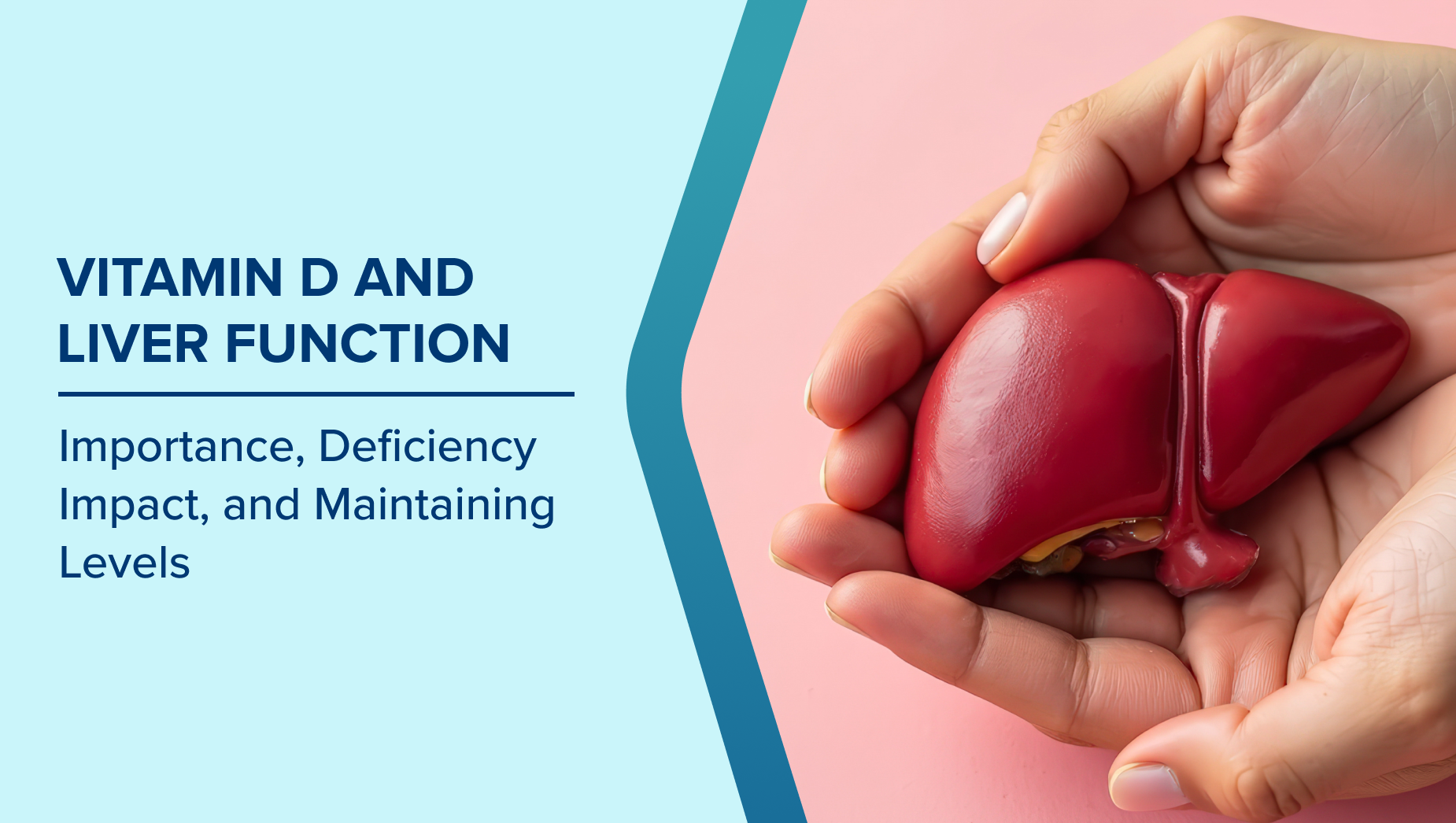
Call Us+91 926 888 0303Vitamin D and Liver Function: Importance, Deficiency Impact, and Maintaining Levels
By Dr. Ankur Jain in Gastroenterology, Hepatology & Endoscopy
Jan 07 , 2026 | 4 min read
2

Vitamin D is often called the "sunshine vitamin," but its impact goes far beyond just bone health. This nutrient plays a significant role in supporting immune function, reducing inflammation, and maintaining overall organ health—including the liver. Despite its importance, Vitamin D deficiency is common worldwide, and studies suggest a strong link between low Vitamin D levels and various liver diseases like fatty liver disease, hepatitis, and cirrhosis.
This blog will explore how Vitamin D affects liver health, the risks of deficiency, sources of Vitamin D, and expert-backed strategies to maintain optimal levels for a healthy liver.
Why is Vitamin D Important for Liver Function?
The liver is a vital organ responsible for detoxification, metabolism, and nutrient storage. It also plays a key role in processing Vitamin D. When you get Vitamin D from sunlight or food, your liver helps convert it into calcidiol (25-hydroxyvitamin D), which is the form that doctors measure in blood tests to assess Vitamin D levels.
Here’s how Vitamin D supports liver function:
- Reduces Inflammation: Chronic liver diseases often involve inflammation and oxidative stress. Vitamin D possesses anti-inflammatory effects that aid in safeguarding liver cells from any harm.
- Regulates Fat Metabolism: Vitamin D influences how the liver stores and processes fat, helping prevent conditions like non-alcoholic fatty liver disease (NAFLD).
- Boosts Immunity: The liver is heavily involved in immune function, and Vitamin D helps strengthen the body’s defence against infections, including viral hepatitis.
- Protects Against Liver Fibrosis: Studies show that Vitamin D may slow down liver fibrosis (scar tissue formation), which is crucial in preventing conditions like cirrhosis.
- Supports Bile Production: The liver produces bile, which is essential for digestion and fat absorption. Vitamin D plays a role in bile acid homeostasis, ensuring the liver functions efficiently.
The Connection Between Vitamin D and Liver Diseases
Let’s take a closer look at how Vitamin D is linked to specific liver diseases:
Non-Alcoholic Fatty Liver Disease (NAFLD)
- Vitamin D helps regulate fat metabolism in the liver.
- Deficiency increases the risk of fat accumulation, leading to NAFLD and inflammation.
- People with NAFLD often have lower Vitamin D levels than those without liver disease.
Liver Cirrhosis
- Cirrhosis develops when healthy liver cells are gradually replaced by scar tissue.
- Studies suggest that Vitamin D supplementation may slow the progression of liver fibrosis.
- Cirrhotic patients are often severely deficient in Vitamin D due to impaired absorption.
Hepatitis (Viral and Autoimmune)
- Vitamin D supports the immune system in combating hepatitis B and C infections.
- It helps regulate autoimmune responses that can contribute to liver inflammation.
Liver Cancer (Hepatocellular Carcinoma: HCC)
- Low Vitamin D levels have been linked to a higher risk of liver cancer.
- Vitamin D’s anti-inflammatory properties may help reduce liver cell damage that can lead to cancer.
Best Sources of Vitamin D for Liver Health
Sunlight (Natural Source of Vitamin D3)
- The body produces Vitamin D when the skin is exposed to sunlight.
- 15-30 minutes of sun exposure daily (without sunscreen) can boost Vitamin D levels.
- Factors like skin tone, location, and season can affect how much Vitamin D your body makes.
Vitamin D-Rich Foods
- Fatty Fish: Salmon, mackerel, tuna, and sardines are excellent sources of Vitamin D3.
- Egg Yolks: A natural source of Vitamin D.
- Fortified Foods: Many dairy products, orange juice, and cereals are fortified with Vitamin D.
- Mushrooms: Some mushrooms, like maitake and portobello, provide Vitamin D2.
Vitamin D Supplements
- If you’re deficient, Vitamin D3 supplements can help restore optimal levels.
- The recommended daily intake is 600-800 IU for adults, but people with liver disease may need higher doses (under medical supervision).
How to Maintain Optimal Vitamin D Levels for Liver Health
- Get regular sunlight exposure (at least 15 minutes per day).
- Eat Vitamin D-rich foods like fatty fish, eggs, and fortified dairy.
- Take Vitamin D supplements if your levels are low.
- Monitor your Vitamin D levels with blood tests, especially if you have liver disease.
- Maintain a healthy liver by avoiding excessive alcohol, processed foods, and sugar.
- Stay physically active to boost Vitamin D metabolism and liver function.
Conclusion
Vitamin D is crucial in liver health, from reducing inflammation to preventing liver disease progression. If you’re at risk for liver issues or have fatty liver, hepatitis, or cirrhosis, maintaining adequate Vitamin D levels can support your liver’s function and overall well-being.
Frequently Asked Questions
Can Vitamin D reverse liver damage?
Vitamin D cannot reverse severe liver damage but can slow disease progression, reduce inflammation, and improve liver function in the early stages.
How do I know if my Vitamin D levels are low?
Common Vitamin D deficiency symptoms include fatigue, muscle weakness, frequent infections, and bone pain. A blood test (25-hydroxyvitamin D) confirms deficiency.
Is Vitamin D safe for people with liver disease?
Yes, but people with advanced liver disease should consult their doctor before taking high-dose supplements, as the liver helps metabolise Vitamin D.
Does Vitamin D help with alcohol-related liver disease?
Vitamin D may reduce inflammation and oxidative stress in alcohol-related liver disease, but quitting alcohol is the most effective way to protect the liver.
Can too much Vitamin D harm the liver?
Yes, excessive Vitamin D can lead to toxicity, causing calcium buildup in the blood (hypercalcemia), which can damage the liver and kidneys. Stick to recommended doses.
Written and Verified by:

Related Blogs

Dr. Nivedita Pandey In Gastroenterology, Hepatology & Endoscopy , Liver Transplant and Biliary Sciences
Nov 07 , 2020 | 2 min read
Dr. Nivedita Pandey In Gastroenterology, Hepatology & Endoscopy , Liver Transplant and Biliary Sciences
Nov 07 , 2020 | 2 min read
Blogs by Doctor

What is Inflammatory Bowel Disease(IBD): Diagnosis & Treatment Options
Dr. Ankur Jain In Gastroenterology, Hepatology & Endoscopy
Apr 17 , 2023 | 6 min read

Most read Blogs


Related Blogs
Dr. Nivedita Pandey In Gastroenterology, Hepatology & Endoscopy , Liver Transplant and Biliary Sciences
Nov 07 , 2020 | 2 min read
Dr. Nivedita Pandey In Gastroenterology, Hepatology & Endoscopy , Liver Transplant and Biliary Sciences
Nov 07 , 2020 | 2 min read
Blogs by Doctor
What is Inflammatory Bowel Disease(IBD): Diagnosis & Treatment Options
Dr. Ankur Jain In Gastroenterology, Hepatology & Endoscopy
Apr 17 , 2023 | 6 min read
Most read Blogs