 WhatsApp Us (24/7)
 +91 926 888 0303 (24/7)


To Book an Appointment
Call Us+91 926 888 0303Viral vs Bacterial Pneumonia: Symptoms & Treatment
By Medical Expert Team
Nov 13 , 2025 | 2 min read

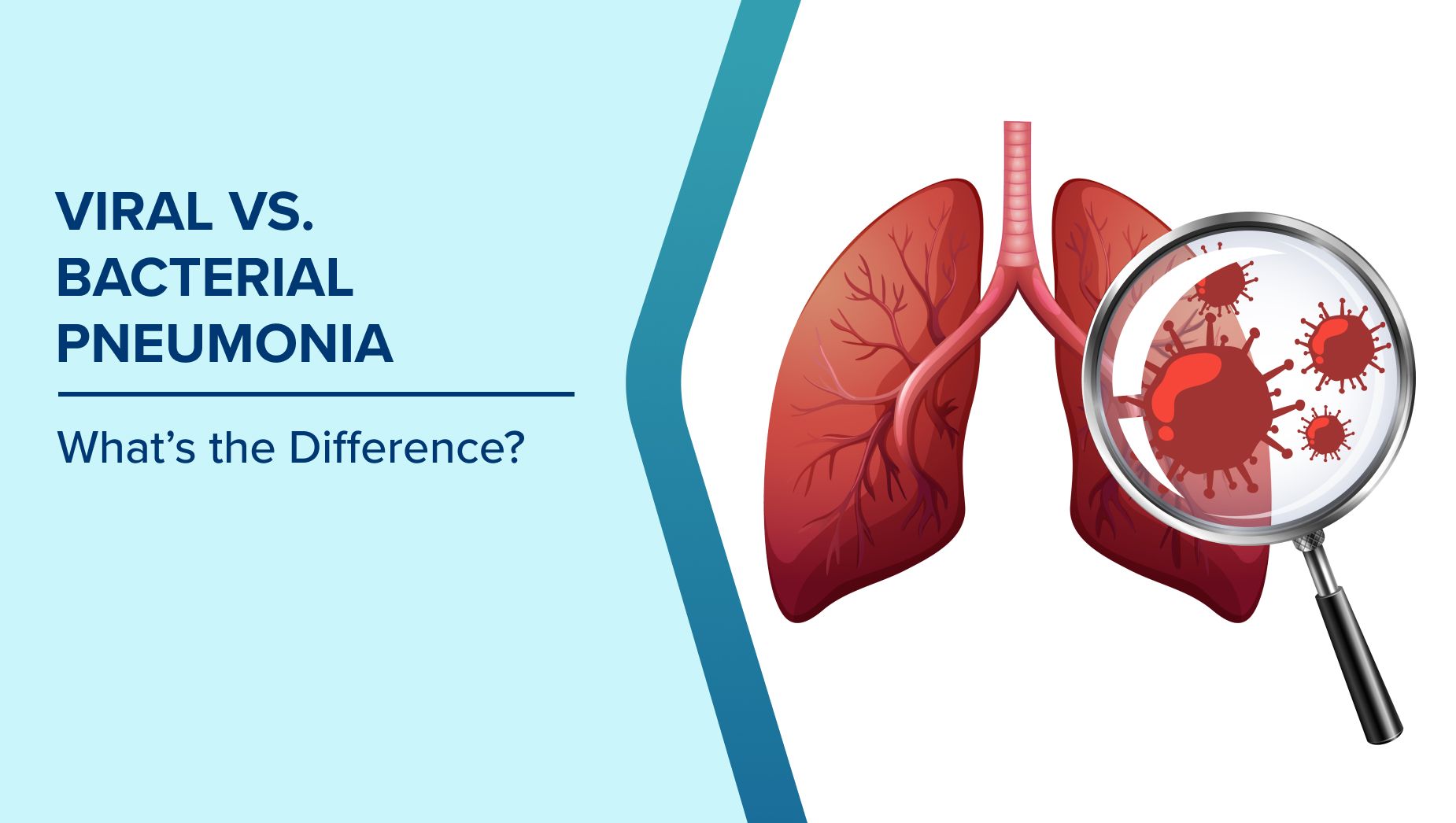
Pneumonia is a lung infection that affects millions of people every year. It occurs when the air sacs (alveoli) in the lungs become inflamed and fill with fluid or pus, making it difficult to breathe. While pneumonia can be caused by various microorganisms, viral and bacterial pneumonia are the most common types. Knowing the difference between them is crucial for receiving timely treatment and achieving better recovery outcomes.
What is Viral Pneumonia?
Viral pneumonia is caused by respiratory viruses that infect the lungs. Some of the most common culprits include:
- Influenza viruses
- Respiratory Syncytial Virus (RSV)
- SARS-CoV-2 (COVID-19)
- Adenovirus
Viral pneumonia often begins with symptoms similar to those of a common cold or flu. These infections typically spread through droplets when an infected person coughs or sneezes.
Common Symptoms
- Fever
- Dry cough
- Sore throat
- Fatigue and body aches
- Headache
- Shortness of breath
Viral pneumonia generally develops more gradually. In many cases, symptoms are milder compared to bacterial pneumonia, but certain viruses, like influenza or COVID-19, can cause severe complications, especially in older adults, pregnant women, and people with chronic illnesses.
Treatment
Most cases of viral pneumonia improve with supportive care:
- Rest
- Hydration
- Fever-relieving medication
- Symptomatic treatment and sometimes antiviral treatment
Antibiotics do not work against viruses. Antiviral medications may be used in select cases, such as for influenza or severe COVID-19.
What is Bacterial Pneumonia?
Bacterial pneumonia is caused by bacteria that infect the lung tissues. The most common organism is Streptococcus pneumoniae, but others, such as Staphylococcus aureus and Mycoplasma pneumoniae, can also be responsible.
This type of pneumonia can occur on its own or after a viral infection weakens the immune system.
Common Symptoms
- High-grade fever
- Productive cough with yellow/green phlegm
- Chest pain when breathing or coughing
- Rapid breathing or breathlessness
- Chills
- Fatigue
Bacterial pneumonia typically presents more suddenly and tends to be more severe than viral pneumonia when untreated.
Treatment
Unlike viral pneumonia, bacterial pneumonia requires antibiotic treatment. Early medical intervention can prevent complications like lung abscess or respiratory failure. Severe cases may require hospitalisation, oxygen therapy, or intravenous antibiotics.
Key Differences at a Glance
Viral pneumonia and bacterial pneumonia may share some symptoms, but they differ in cause, onset, and treatment. Viral pneumonia is caused by viruses, such as influenza, RSV, or COVID-19, whereas bacterial pneumonia is typically caused by bacteria, including Streptococcus pneumoniae.
Viral pneumonia typically develops gradually, causing a mild to moderate fever with a dry cough. On the other hand, bacterial pneumonia often begins suddenly, brings a high fever, and produces a cough with thick phlegm.
Antibiotics are not effective against viral pneumonia but are essential for treating bacterial infections. In most cases, viral pneumonia is mild to moderate, but it can become serious in individuals with weakened immunity or those with chronic illnesses. Bacterial pneumonia tends to be more severe if left untreated.
When to See a Doctor?
Seek immediate medical attention if you notice:
- Difficulty breathing
- Persistent high fever
- Chest pain
- Confusion (especially in older adults)
- Symptoms lasting more than 3–5 days without improvement
Early diagnosis through chest X-ray, blood tests, and sometimes sputum culture helps determine the type of pneumonia and ensures the right treatment.
Pneumonia Care at Max Hospital, Gurugram
At Max Hospital, Gurugram, our pulmonology experts provide comprehensive care for all types of pneumonia. From advanced diagnostics to personalised treatment plans and round-the-clock emergency support, we ensure timely and effective management for patients of all age groups.
If you or your loved one is experiencing a persistent cough, fever, or breathing difficulty, don’t delay—early intervention can save lives.
Your lungs deserve expert care. Your health deserves Max.
Related Blogs

Medical Expert Team
Jun 06 , 2015 | 2 min read

Blogs by Doctor

Breathing Life: Essential Role of Ventilators in Modern Healthcare
Dr. Neeraj Gupta In Pulmonology , Critical Care
Jun 12 , 2024 | 1 min read

Effects of Air Pollution on Lungs: Protect Your Pulmonary Health
Dr. Neeraj Gupta In Pulmonology , Critical Care
Jan 03 , 2025 | 3 min read
Most read Blogs


Related Blogs
Medical Expert Team
Jun 06 , 2015 | 2 min read
Blogs by Doctor
Breathing Life: Essential Role of Ventilators in Modern Healthcare
Dr. Neeraj Gupta In Pulmonology , Critical Care
Jun 12 , 2024 | 1 min read
Effects of Air Pollution on Lungs: Protect Your Pulmonary Health
Dr. Neeraj Gupta In Pulmonology , Critical Care
Jan 03 , 2025 | 3 min read
Most read Blogs