 WhatsApp Us (24/7)
 +91 926 888 0303 (24/7)


To Book an Appointment
Call Us+91 926 888 0303Vaping Vs Smoking: Which Harms Your Lungs More?
By Dr. Manish Garg in Pulmonology
Jan 05 , 2026 | 5 min read

In recent years, vaping has gained popularity as a modern alternative to traditional smoking. E-cigarettes are often marketed as a safer option, especially for those looking to quit smoking. However, both vaping and smoking carry serious risks for lung health. Understanding how each affects the lungs, both in the short and long term, is crucial for making informed health decisions.
Understanding Smoking and Vaping
Smoking involves inhaling the smoke from burning tobacco. Tobacco smoke contains more than 7,000 chemicals, including many known carcinogens such as tar, formaldehyde, and carbon monoxide. These substances damage the lungs over time, leading to lung cancer.
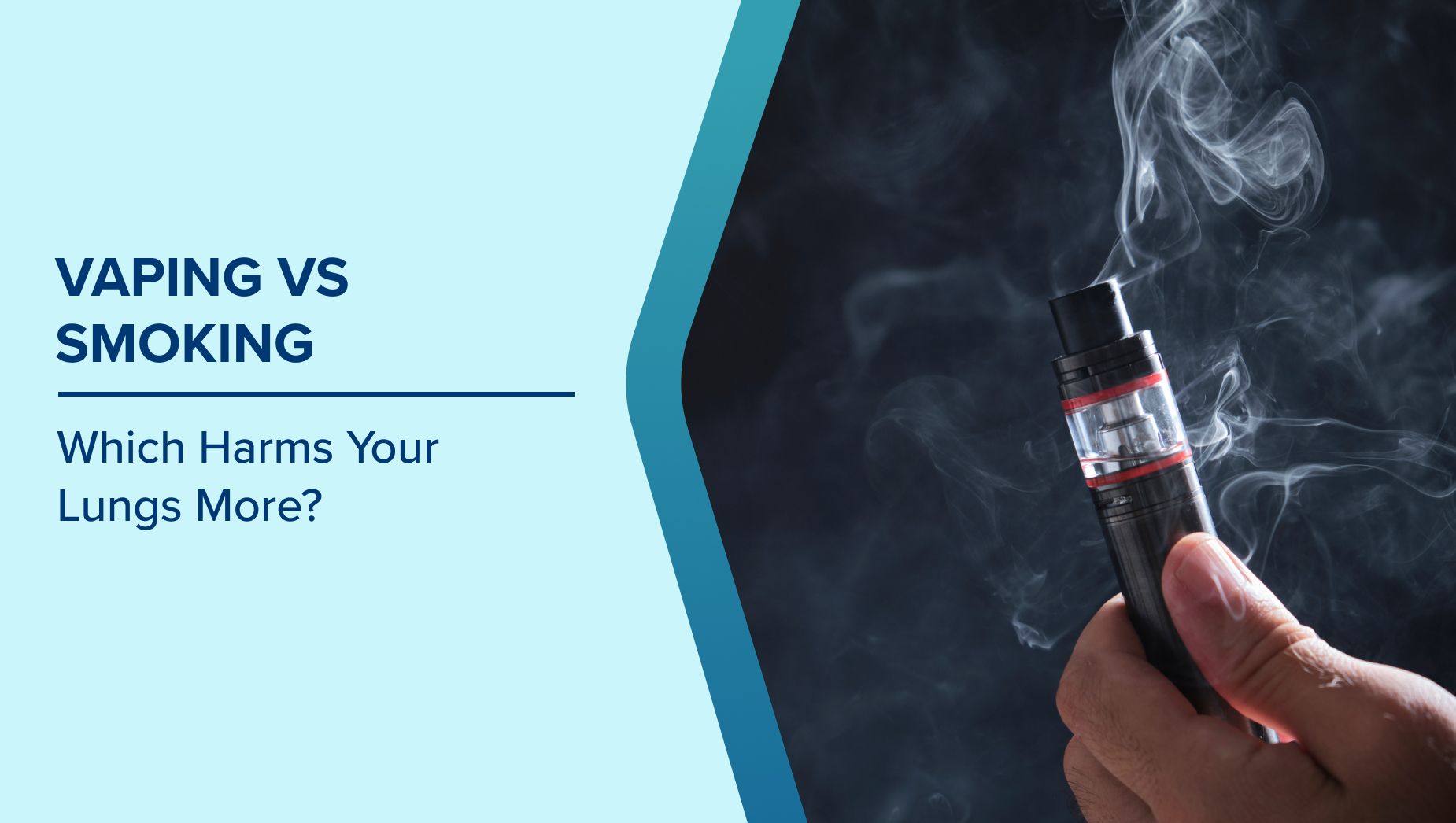
Vaping, or using e-cigarettes, involves inhaling an aerosol produced by heating a liquid, commonly called e-liquid or vape juice. This liquid typically contains nicotine, flavouring agents, and other chemicals. Although vaping eliminates the combustion process, it still introduces harmful substances into the lungs.
Both habits deliver nicotine, a highly addictive chemical, which affects the brain and can create long-term dependency. Nicotine addiction makes quitting smoking or vaping more challenging and contributes indirectly to health risks.
Short-Term Effects on the Lungs
Even brief exposure to smoking or vaping can impact lung health.
- Smoking: Inhalation of tobacco smoke immediately irritates the airways, leading to coughing, increased mucus production, and shortness of breath. It also reduces the lungs’ ability to clear bacteria and viruses, making smokers more prone to infections.
- Vaping: Although it avoids tar and many toxins present in cigarettes, vaping is not harmless. Inhaling vape aerosols can irritate the airways, cause inflammation, and decrease oxygen levels in the blood. Nicotine and other chemicals present in e-liquids can also temporarily affect lung function, even in nicotine-free varieties.
Short-term effects, although not as severe as those caused by heavy smoking, can accumulate over time if vaping or smoking continues regularly. Both habits make lungs more sensitive to infections and pollutants in the air.
Long-Term Effects on Lung Health
Over the years, the damage from smoking or vaping has become more serious.
- Smoking: Long-term smokers are at high risk for chronic obstructive pulmonary disease (COPD), emphysema, chronic bronchitis, and lung cancer. Smoking causes permanent structural changes in the lungs, reduces lung capacity, and weakens the immune system. It is a leading cause of premature death worldwide.
- Vaping: Vaping may increase the risk of asthma, chronic bronchitis, and other respiratory illnesses. Chemicals such as acrolein and formaldehyde in vape aerosols can damage lung tissue and interfere with the lungs’ natural defence mechanisms. Vaping may also increase the risk of certain cancers, although the data is less conclusive than with smoking.
While vaping may appear safer because it lacks the combustion-related toxins found in cigarette smoke, it is not risk-free. Continued use can result in long-term respiratory problems, particularly for those who vape daily over multiple years.
How Smoking Harms the Lungs
Smoking causes lung damage through several mechanisms:
- Inflammation: Tobacco smoke irritates the airways and triggers chronic inflammation.
- Cellular Damage: Chemicals in smoke damage lung cells and DNA, increasing cancer risk.
- Reduced Lung Function: Over time, lungs lose elasticity, reducing oxygen intake.
- Impaired Immunity: Smokers are more prone to respiratory infections due to compromised immune defences.
- Chronic Diseases: Prolonged smoking is a leading cause of COPD, emphysema, and lung cancer.
Even smoking a few cigarettes per day can lead to measurable lung damage, and the risk rises with the number of cigarettes consumed and the duration of smoking.
How Vaping Harms the Lungs
Vaping introduces different risks compared to smoking:
- Chemical Exposure: Vape aerosols contain harmful substances like formaldehyde, acetaldehyde, and acrolein, which can irritate and damage lung tissue.
- Airway Inflammation: Regular vaping can cause inflammation in the bronchioles, leading to chronic respiratory issues.
- Nicotine Addiction: Nicotine in e-liquids affects brain development in young adults and can harm cardiovascular and respiratory health.
- Popcorn Lung Risk: Certain flavouring agents, such as diacetyl, have been linked to bronchiolitis obliterans, a serious lung disease popularly known as “popcorn lung.”
- Unknown Long-Term Risks: The vaping industry is relatively new, so the full long-term effects are not yet fully understood. Continuous exposure to aerosols may have cumulative harmful effects.
While vaping avoids some of the toxic byproducts of burning tobacco, inhaling these chemical-laden aerosols still harms the lungs over time.
Vulnerable Groups
Certain populations are more susceptible to the harmful effects of smoking and vaping:
- Youth and Adolescents: Nicotine exposure during adolescence can impair brain development, increasing susceptibility to addiction and cognitive deficits.
- Pregnant Women: Both smoking and vaping during pregnancy can negatively impact fetal development, increasing the risk of preterm birth, low birth weight, and respiratory problems in infants.
- People with Pre-Existing Conditions: Individuals with asthma, COPD, or cardiovascular conditions may experience worsening of symptoms and faster progression of disease when smoking or vaping.
Misconceptions About “Safer” Alternatives
Vaping is often advertised as a safer alternative to smoking. While it may reduce exposure to certain harmful chemicals, it is not risk-free. Many users underestimate the long-term respiratory and cardiovascular risks associated with e-cigarettes.
It is also common for individuals to engage in dual use, vaping while continuing to smoke cigarettes, which does not reduce health risks and may compound lung damage. Avoiding both smoking and vaping is the best way to protect lung health.
Tips for Protecting Your Lungs
If you currently smoke or vape, consider the following measures:
- Quit Smoking and Vaping: Seek support from healthcare providers, cessation programs, or nicotine replacement therapies.
- Regular Health Checkups: Annual lung function tests can help detect early damage.
- Healthy Lifestyle: Exercise, a balanced diet, and adequate hydration improve lung capacity and overall health.
- Avoid Secondhand Smoke and Aerosols: Even exposure to smoke or vape aerosols from others can affect lung health.
- Educate Yourself: Understanding the risks of smoking and vaping helps you make informed decisions for yourself and your family.
Conclusion
Both smoking and vaping pose significant risks to lung health. While vaping may involve fewer toxic chemicals than traditional cigarettes, it is not harmless. Both habits can lead to respiratory problems, long-term lung damage, and increased risk of serious illnesses.
The most effective way to protect your lungs is to avoid smoking and vaping entirely. For those struggling with nicotine addiction, professional guidance, cessation programs, and supportive strategies can help achieve a smoke-free, healthier life.
Frequently Asked Questions
Is vaping safer than smoking?
Vaping may expose users to fewer harmful chemicals than smoking, but it still carries significant risks, including lung damage and potential cancer risk.
Can vaping help me quit smoking?
Some people use vaping to reduce cigarette use, but it is not a guaranteed or risk-free method. Nicotine addiction can persist, and dual use can increase harm.
Are there safe alternatives to smoking and vaping?
The safest approach is to avoid both entirely. Nicotine replacement therapies, counselling, and support programs can help those trying to quit.
How does nicotine affect the lungs?
Nicotine narrows blood vessels, reduces oxygen flow, and contributes indirectly to lung damage while increasing addiction potential.
Can secondhand smoke or vape harm others?
Yes, secondhand exposure to smoke or aerosols can irritate the lungs, especially in children, elderly people, and those with respiratory conditions.
Written and Verified by:

Related Blogs

Medical Expert Team
Jun 06 , 2015 | 2 min read

Blogs by Doctor

Upper Respiratory Infections: Causes, Symptoms and Care Tips
Dr. Manish Garg In Pulmonology
Sep 27 , 2024 | 7 min read

Beyond Chest Pain: Understanding the Symptoms and Causes of Pleural Effusion
Dr. Manish Garg In Pulmonology
Sep 27 , 2024 | 8 min read
Most read Blogs


Related Blogs
Medical Expert Team
Jun 06 , 2015 | 2 min read
Blogs by Doctor
Upper Respiratory Infections: Causes, Symptoms and Care Tips
Dr. Manish Garg In Pulmonology
Sep 27 , 2024 | 7 min read
Beyond Chest Pain: Understanding the Symptoms and Causes of Pleural Effusion
Dr. Manish Garg In Pulmonology
Sep 27 , 2024 | 8 min read
Most read Blogs