 WhatsApp Us (24/7)
 +91 926 888 0303 (24/7)


To Book an Appointment
Call Us+91 926 888 0303Urticaria (Hives): Common Triggers, Symptoms and Treatment Options
By Dr. Vikram Lahoria in Dermatology
Aug 29 , 2025 | 11 min read
3

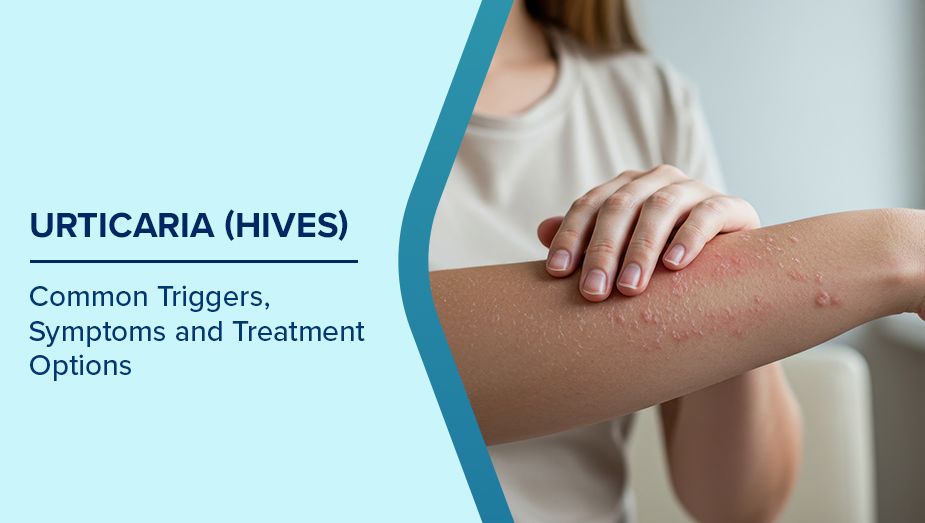
Urticaria, or hives, is a skin condition characterised by red, raised patches that itch, sting, or burn, and can be very uncomfortable. These flare-ups may disappear within hours or persist for days, and can sometimes return repeatedly. In many cases, hives are linked to triggers such as food allergies, insect bites, temperature changes, infections, or stress, but in others, no exact cause can be identified. Knowing what might trigger hives, recognising the signs early, and seeking the right treatment can make them easier to manage. To help, in this blog, we’ll look at hives in detail and discuss treatment options that may provide relief and prevent recurrence. Let’s start with the basics.
What is Urticaria (Hives)?
Urticaria, often called hives, is a reaction that occurs when the body releases histamine and other chemicals into the skin, causing fluid to leak from small blood vessels. This leads to the formation of raised, itchy patches known as wheals, or welts. These can range from a few millimetres to several centimetres in size and may appear in clusters. Hives can develop anywhere on the body and often change shape or location within hours. In some cases, swelling can also occur in deeper layers of the skin, a condition known as angioedema, which may affect the lips, eyelids, or throat and can require urgent medical attention.
What are the Types of Urtricia?
Urticaria can be classified into different types depending on its duration, triggers, and presentation. Understanding the type helps in choosing the most suitable management approach.
1. Acute Urticaria
This type appears suddenly and lasts from a few hours up to six weeks. The symptoms may resolve on their own once the reaction settles. It is the most common form in children and often occurs after a single episode of skin reaction.
2. Chronic Urticaria
When symptoms persist or recur for more than six weeks, the condition is termed chronic urticaria. It tends to last for months or even years, and the exact cause may not be identified in many cases. This form can greatly affect day-to-day comfort and may require ongoing treatment.
3. Physical Urticaria
This group includes urticaria triggered by physical factors such as heat, cold, vibration, or pressure. The symptoms typically appear soon after exposure and subside within a few hours.
4. Dermatographism
A form of physical urticaria where hives form along lines where the skin is scratched or rubbed. The raised marks are often itchy but fade quickly, usually within 30 to 60 minutes.
5. Cholinergic Urticaria
Triggered by a rise in body temperature, often due to exercise, hot showers, or emotional stress. The hives are usually small, pinpoint, and surrounded by redness, often accompanied by intense itching.
6. Solar Urticaria
Caused by exposure to sunlight, even for a short duration. Hives may appear on skin exposed to the sun and can be associated with a burning or stinging sensation.
7. Aquagenic Urticaria
A rare type in which contact with water, regardless of temperature, causes small hives on the skin. The reaction usually appears within minutes and subsides after drying off.
8. Contact Urticaria
Occurs when the skin comes into direct contact with an allergen or irritant, leading to hives at the site of contact. This can be due to substances like latex or certain plants.
9. Angioedema with Urticaria
In some cases, urticaria is accompanied by angioedema, where swelling occurs deeper under the skin, particularly around the eyes, lips, hands, or throat. This type can be painful and, if the throat is involved, may require urgent medical attention.
Read more: Understanding Skin Rash: Types, Symptoms, Causes, Treatment and Prevention Tips
What are the Common Triggers of Urticaria?
Hives can develop for many different reasons, and identifying the cause is an important step in preventing future flare-ups. For some people, the trigger is obvious, but in other cases, it can be difficult to pinpoint. Below are some of the most common factors that can lead to urticaria.
1. Allergic Reactions
One of the most frequent causes of hives is an allergic response to certain substances. Common culprits include specific foods such as nuts, shellfish, eggs, and dairy, as well as medications like antibiotics or pain relievers. Insect stings or bites can also trigger a sudden outbreak. When the immune system overreacts to these allergens, it releases histamine, which leads to the appearance of welts on the skin.
2. Infections
Both viral infections and bacterial infections can set off hives. Viral infections such as the common cold, hepatitis, or mononucleosis are known triggers, particularly in children. Bacterial infections like urinary tract infections or strep throat may also cause the immune system to react and produce hives.
3. Physical Factors
Physical urticaria refers to hives triggered by external physical conditions. These may include temperature extremes (cold or heat), pressure on the skin from tight clothing or straps, friction from scratching, and even exposure to sunlight. Some people may also develop hives after vigorous exercise due to increased body heat and sweating.
4. Stress
Emotional stress can worsen or even trigger hives in some individuals. Stress affects hormone levels and immune system activity, which can make the skin more reactive. This is why some people experience flare-ups during exams, work deadlines, or emotionally challenging situations.
5. Hormonal Changes
Fluctuations in hormone levels, such as those occurring during pregnancy, menstrual cycles, or menopause, can make the skin more sensitive and prone to hives. Though less common than other triggers, hormone-related urticaria can still be a persistent problem for some individuals.
Note: In many cases, no clear trigger can be found. This type is referred to as idiopathic urticaria. The condition can still be managed effectively, but it may require more observation and trial-and-error to understand what worsens the symptoms.
What Symptoms Indicate Urticaria?
Hives can show up suddenly and often look different from one person to another. They may appear for a few hours, disappear, and then return in another spot. Recognising the common signs can help in seeking timely treatment. Some common symptoms of hives include:
- Raised, itchy welts: These are small to large bumps on the skin, also known as welts, that can be round, oval, or irregular in shape. They may appear alone or merge together to form larger patches.
- Changes in skin colour: On lighter skin, hives usually look red or pink, while on darker skin, they may appear darker than the surrounding area or have a purplish tone. A pale centre is often visible in the middle of the welt.
- Fluctuating appearance: Hives can come and go quickly, sometimes fading in one area within a few hours and reappearing somewhere else on the body without leaving marks.
- Itching or burning sensation: The affected skin can be mildly itchy or cause intense discomfort, sometimes described as stinging or burning.
- Swelling in deeper layers of skin (angioedema): In some cases, swelling occurs beneath the skin’s surface, particularly around the eyes, lips, hands, feet, or genitals. If swelling affects the tongue or throat, it can interfere with breathing and requires urgent medical attention.
How is Urticaria Diagnosed?
Diagnosing urticaria begins with a thorough evaluation of symptoms and medical history. The doctor will ask about the onset, duration, and frequency of flare-ups, as well as any possible exposure to triggers. This initial discussion helps narrow down the likely cause.
- Physical examination: The skin is closely inspected for the appearance of red, swollen welts. The size, shape, and distribution of the patches can offer important clues. The doctor may also gently press the skin to check how it reacts.
- Allergy testing: If an allergic trigger is suspected, skin prick tests or blood tests may be advised. These help identify reactions to specific allergens such as pollen, certain foods, or insect venom.
- Blood tests: Blood work can help detect signs of infection, inflammation, or an underlying autoimmune disorder that could be linked to chronic urticaria.
- Elimination diet: In some cases, avoiding suspected food triggers for a set period and reintroducing them gradually can help pinpoint the cause. This approach is usually recommended under medical supervision to ensure it is done safely.
- Additional tests: For persistent or unexplained cases, further investigations such as thyroid function tests, liver function tests, or tests for specific infections may be ordered. These can help detect underlying health issues that may be contributing to the skin reaction.
A combination of these methods often provides a clearer picture, allowing the doctor to confirm the diagnosis and plan the most effective treatment.
What are the Treatment Options for Urticaria?
Managing urticaria involves addressing both the symptoms and underlying causes. The approach may vary depending on whether the condition is acute, chronic, or linked to a specific trigger. Treatments aim to relieve discomfort, prevent flare-ups, and improve quality of life.
Antihistamines
These medicines are considered the first choice for most cases. They work by blocking histamine, the chemical released by the immune system during allergic reactions that causes redness, swelling, and itching. Non-drowsy antihistamines are often recommended for daytime use to prevent interference with daily activities, while sedating types may be advised before bedtime to aid sleep. In chronic cases, daily antihistamine use may be necessary, and a healthcare provider may adjust doses depending on symptom control.
Corticosteroids
For severe episodes that do not improve with antihistamines, a short course of oral corticosteroids may be prescribed. These medicines reduce inflammation quickly and can bring relief within a few hours to days. However, they are not used long term due to possible side effects such as weight gain, mood changes, or increased risk of infections. They are usually reserved for short bursts of treatment during intense flare-ups.
Leukotriene Receptor Antagonists
Leukotrienes are chemicals involved in the body’s inflammatory response. In some cases, blocking them with specific medicines can help control urticaria, especially when it is triggered by allergens or exercise. These drugs may be used alongside antihistamines for better control in patients whose symptoms are not fully managed by standard treatment.
Immunosuppressive Therapy
When urticaria persists for months or years despite regular treatment, stronger medicines that dampen the immune system may be considered. These medicines, such as ciclosporin, are generally prescribed by specialists for patients with severe, treatment-resistant urticaria. They require close monitoring due to potential side effects and are only used when other options have failed.
Cold Compresses and Soothing Lotions
Simple home remedies can provide quick, temporary relief. Applying a cold compress or ice pack wrapped in a soft cloth to the affected area helps reduce swelling and numb itching. Lotions containing calamine or menthol can also soothe irritated skin. These measures do not treat the underlying cause but can make flare-ups more bearable.
How Can Chronic Urticaria be Managed?
Chronic urticaria can be persistent and uncomfortable, but certain home measures and lifestyle adjustments can help reduce flare-ups and make symptoms easier to handle.
1. Temperature Control
Avoid extreme heat or cold, as sudden temperature changes can trigger hives. Taking lukewarm showers, using cool compresses on itchy areas, and staying in a climate-controlled environment can provide relief.
2. Clothing and Skin Care
Wearing loose, breathable clothing made of cotton or soft fabrics reduces friction and irritation. Avoid tight straps or heavy backpacks that apply pressure to the skin. Gentle, fragrance-free soaps and moisturisers help maintain healthy skin and prevent additional irritation.
3. Stress Management
Emotional stress can worsen or trigger hives. Techniques such as deep breathing exercises, meditation, yoga, or other relaxation practices can help reduce stress-related flare-ups.
4. Dietary Considerations
Although specific food triggers vary, avoiding known or suspected triggers can reduce episodes. Keeping a symptom and food diary helps identify patterns. Staying hydrated and eating a balanced diet supports overall skin and immune health.
5. Avoiding Skin Irritants
Reduce contact with potential irritants such as harsh detergents, strong fragrances, and certain plants. Protecting the skin from scratching or rubbing helps prevent dermatographism-related flare-ups.
6. Monitoring and Self-Care
Tracking flare-ups, their duration, and possible triggers can help in early recognition and timely action. Applying cold compresses or using soothing lotions such as calamine can provide immediate relief during flare-ups.
These measures do not replace medical treatment but can significantly improve comfort, reduce the frequency of flare-ups, and support long-term management of chronic urticaria.
Consult Today
Living with urticaria, especially in its chronic form, can be frustrating and disruptive, but timely guidance and the right approach can make a meaningful difference. At Max Hospital, dermatologists experienced in treating skin conditions like hives can help evaluate your symptoms, identify possible triggers, and guide you on the most suitable treatment and management strategies. Book a consultation with Max specialists to receive advice tailored to your case and ensure that flare-ups are addressed promptly.
Frequently Asked Questions
Can urticaria flare up at night, and why?
Yes, many people notice hives worsening at night. This can be due to natural fluctuations in body temperature, reduced distraction from daily activities, or even stress levels building up over the day. Simple home measures like keeping the bedroom cool and using soft bedding can help reduce discomfort.
Can certain weather conditions trigger urticaria?
Sudden changes in temperature, high humidity, or exposure to sunlight can trigger hives in some individuals. Those with cold-induced or solar urticaria are particularly sensitive, so protective measures like covering the skin or avoiding extreme conditions can help.
Is it safe to exercise with chronic urticaria?
Exercise is generally safe, but some forms like cholinergic urticaria may flare up with increased body temperature or sweating. Gradual warm-ups, light clothing, and monitoring for early symptoms can help manage episodes during physical activity.
Can urticaria affect mental health?
Frequent flare-ups, persistent itching, or visible welts can lead to stress, anxiety, or self-consciousness. Practising stress management techniques, seeking support from loved ones, and consulting a dermatologist can improve both physical and emotional well-being.
Are natural remedies effective for urticaria?
Some supportive measures, like cold compresses, oatmeal baths, or soothing lotions, can relieve itching temporarily. While they do not treat the underlying cause, they make flare-ups more tolerable and can complement medical treatment.
Can urticaria occur during pregnancy?
Yes, hormonal changes during pregnancy can trigger hives in some women. It’s important to consult a dermatologist before using any medications to ensure safety for both mother and baby.
How long does chronic urticaria typically last?
The duration varies. Some cases may resolve within months, while others can persist for years. Tracking flare-ups and following a management plan can help reduce the frequency and severity of episodes.
Can urticaria be linked to other health conditions?
Chronic hives may sometimes be associated with autoimmune disorders, thyroid problems, or underlying infections. A dermatologist can guide appropriate testing if needed.
Are there any long-term effects of repeated hives?
Most hives do not cause permanent skin damage. However, frequent scratching can lead to temporary skin marks, irritation, or thickened skin over time. Careful management helps prevent these issues.
Written and Verified by:

Related Blogs


Blogs by Doctor
What is Melanin? Understanding Its Role in Skin Pigmentation
Dr. Vikram Lahoria In Dermatology
Aug 04 , 2025 | 10 min read
Most read Blogs


Related Blogs
Blogs by Doctor
What is Melanin? Understanding Its Role in Skin Pigmentation
Dr. Vikram Lahoria In Dermatology
Aug 04 , 2025 | 10 min read
Most read Blogs