 WhatsApp Us (24/7)
 +91 926 888 0303 (24/7)


To Book an Appointment
Call Us+91 926 888 0303Hand, Foot and Mouth Disease: From Symptoms to Treatment Options
By Dr. Kaustubh Ulhas Bahatkar in Paediatrics (Ped)
Jan 05 , 2026 | 11 min read
3

Hand, foot and mouth disease (HFMD) is a common childhood illness that tends to spread quickly in places such as nurseries and schools, where children often share toys, meals and playtime. It usually starts as a mild fever or sore throat and soon turns into small blisters on the hands, feet and inside the mouth. Having clear information on how it progresses and how to manage it at home helps manage the symptoms and prevent further spread. This blog covers all you need to know about HFMD, including how the condition spreads and what symptoms to look for, to the best ways to care for an affected child. To begin with, here’s a closer look at what hand, foot and mouth disease actually is.
What is Hand, Foot and Mouth Disease?
Hand, foot and mouth disease is a mild viral infection that mainly affects young children, particularly those under the age of five. It is caused by a group of viruses, most commonly the coxsackievirus. The infection spreads easily through direct contact with saliva, nasal discharge, fluid from blisters or contaminated surfaces. Outbreaks often occur in settings where children are in close contact, such as nurseries, playgroups and schools.
The name comes from the characteristic rash and blisters that appear on the hands, feet and inside the mouth. In most cases, the illness is short-lived and clears up within a week with home care. However, the symptoms can be uncomfortable and may lead to temporary difficulties in eating, drinking or playing.
What Causes Hand, Foot and Mouth Disease?
Hand, foot and mouth disease is caused by a group of viruses known as enteroviruses. The most common one is coxsackievirus A16, which usually leads to mild symptoms. In some cases, the illness may be caused by enterovirus 71, which is linked to more severe cases, though this is less common.
These viruses live in the digestive tract and throat and can spread easily from one person to another. The infection is most common in children under five years of age, partly because their immune systems are still developing and also because hygiene habits in early childhood are still forming. Outbreaks tend to happen in settings where children are in close contact for long periods.
The virus spreads through:
- Saliva, when an infected person coughs or sneezes
- Fluid from blisters on the skin
- Mucus from the nose or throat
- Contact with faeces, often during nappy changes or after using the toilet
- Touching toys, clothes, towels or surfaces that have been contaminated
Once the virus enters the body, it settles in the lining of the mouth and intestines, where it begins to multiply. The virus can start spreading to others even before any signs of illness appear, making it harder to contain. In some cases, a child may carry the virus and pass it on without showing any symptoms.
Read More:- Shaky Hands: Types, Causes and Treatment
Who is at Risk of Getting Hand, Foot and Mouth Disease?
Hand, foot and mouth disease can affect anyone, but certain groups are more likely to catch the infection. It is most common in young children, particularly those under five years of age, as their immune systems are still developing and they often have close contact with others. The virus spreads easily in places where children gather, making group environments a major risk factor.
Those at higher risk include:
- Children under five years: This group is most commonly affected, as the virus spreads quickly through play, shared items and poor hand hygiene. Many children in this age range also put toys or hands in their mouths, increasing the chance of infection.
- Children in group settings: Outbreaks are more likely in nurseries, playgroups and schools where many children spend time together. Shared toys, eating spaces, and bathroom facilities make it easier for the virus to move from one child to another.
- Older children and teenagers: Although less common, older children can still get infected, especially if they have close contact with younger siblings or classmates during an outbreak.
- Parents, caregivers and teachers: Adults who care for or work with young children are at risk of catching the virus, particularly if hygiene measures such as handwashing or surface cleaning are not followed regularly.
- People with weakened immune systems: Individuals with health conditions or treatments that lower immunity may be more vulnerable to catching the virus or developing more severe symptoms if infected.
In most cases, adults who get infected have mild or no symptoms, but they can still carry and spread the virus. Since the infection can pass from one person to another even before symptoms appear, preventing its spread in high-risk settings depends heavily on good hygiene practices and regular cleaning.
What are the First Signs and Symptoms to Look Out for?
The early signs of hand, foot and mouth disease often appear within three to five days after a child has been exposed to the virus. In many cases, the illness begins with general symptoms that may be mistaken for a common cold or mild flu. These early signs are usually followed by more specific symptoms that give the condition its name.
Common symptoms include:
- Fever: Often the first sign, usually mild to moderate
- Sore throat: Can make swallowing uncomfortable
- Reduced appetite: Children may eat or drink less due to mouth discomfort
- Irritability or tiredness: More noticeable in babies and toddlers
- Painful mouth sores: Small red spots appear on the tongue, gums or inner cheeks, which turn into ulcers
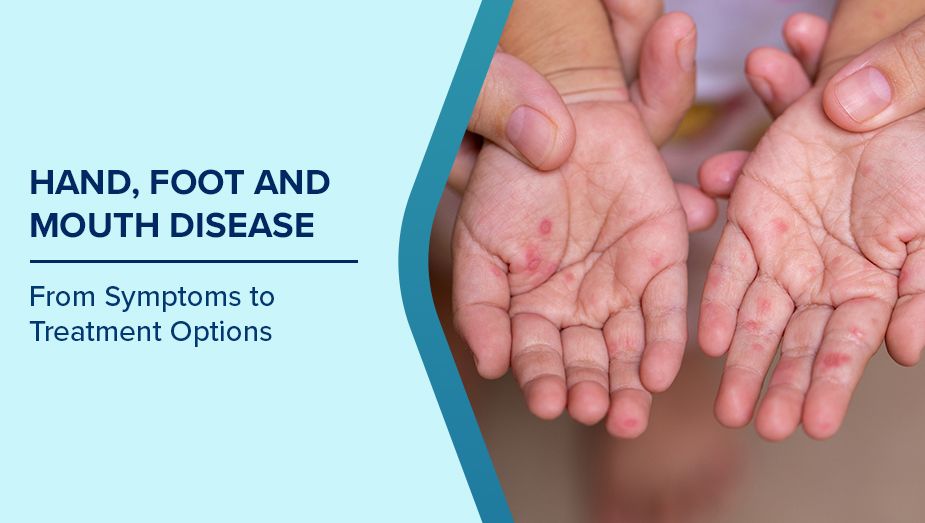
- Skin rash or blisters: Flat or raised red spots on the palms of the hands, soles of the feet and sometimes the knees, elbows or buttocks
- Mild headache or general body ache: May also be present, especially in older children
The mouth ulcers and skin rash do not always appear at the same time. In some cases, one may develop a day or two after the other. Although the symptoms can look alarming, most children start feeling better within a week. Drinking enough fluids, eating soft food and resting can help relieve discomfort during this time.
How is Hand, Foot and Mouth Disease Diagnosed?
Hand, foot and mouth disease is usually diagnosed based on symptoms and a physical examination. Most cases can be identified without any lab tests, especially when the typical rash and blisters are present. Doctors consider the child’s age, recent exposure to others with similar symptoms and the overall pattern of illness.
In some situations, additional tests may be advised. These are usually recommended when the symptoms are unclear, severe or if the child has a weakened immune system.
Physical Examination
This is the most common and straightforward method of diagnosis. The doctor checks for signs such as:
- Fever
- Red spots or blisters on the hands, feet, or buttocks
- Painful mouth ulcers or red spots on the tongue, gums and inner cheeks
- General signs of illness such as irritability or tiredness
The distribution of the rash, along with other symptoms, usually points clearly to hand, foot and mouth disease without the need for further testing.
Throat Swab
A throat swab may be used to detect the virus in the back of the throat. This is sometimes done when the diagnosis is uncertain or if the symptoms do not match the usual pattern. It helps identify the exact virus causing the infection, such as coxsackievirus A16 or enterovirus 71.
Stool Sample
The virus can also be found in the digestive tract. A stool sample may be collected in certain cases, particularly during outbreaks or when there is concern about more severe forms of the illness. This test can help confirm the diagnosis and track the source of infection during public health investigations.
These tests are not part of routine diagnosis and are generally reserved for more complex cases.
What Treatment Options are Available for HFMD?
Hand, foot and mouth disease has no specific antiviral treatment. Since it is caused by a virus, the illness usually clears on its own within a week to ten days. Care focuses on relieving symptoms and keeping the child comfortable until recovery. Most cases can be managed at home using simple supportive measures.
Fever and Pain Relief
OTC drugs or other suitable pain relievers may be given to manage fever, body aches and discomfort from mouth ulcers. These help improve sleep, appetite and overall comfort. Aspirin must be avoided in children due to the risk of serious side effects in viral infections.
Mouth Pain Management
Mouth sores are often painful and may interfere with eating or drinking. In some cases, doctors may suggest:
- Mild antiseptic mouth rinses
- Soothing oral gels or sprays
- Ice chips or cold fluids to numb the mouth gently
These measures help reduce irritation and make it easier for the child to stay nourished and hydrated.
Fluid Intake Support
Encouraging fluid intake is important, especially if eating becomes difficult. Water, coconut water, ice lollies or clear soups can help prevent dehydration. Children who show signs of reduced urination, dry mouth or extreme tiredness may need to be examined by a doctor.
Skin Care for Rashes and Blisters
Blisters on the hands, feet or other areas should be kept clean and uncovered. It is important to prevent scratching, as broken blisters can lead to skin infections. In some cases, a doctor may prescribe a mild antiseptic lotion or recommend gentle cleansing with water.
Rest and Isolation
Adequate rest supports the body’s immune response. Children should stay home from school or nursery until the fever is gone and the blisters have dried. This reduces the risk of spreading the virus to others.
Monitoring for Complications
Although rare, complications can occur. Medical care should be sought if the child:
- Refuses all fluids
- Shows signs of dehydration
- Becomes unusually sleepy or irritable
- Develops worsening mouth or skin symptoms
- Has a high fever that persists beyond three days
In very rare cases involving complications from enterovirus 71, such as neurological issues, hospital treatment and close monitoring may be needed. However, for most children, supportive care at home is all that is required.
Read More:- An Introductory Guide to Infectious Diseases
How Can You Care for a Child with HFMD at Home?
Caring for a child with hand, foot and mouth disease involves more than symptom relief. Simple changes at home can make the recovery period smoother and help prevent the spread of infection.
- Allow extra rest time: Children often feel more tired than usual during the illness. A calm, quiet environment with limited activity helps the body recover more easily.
- Maintain a calm, reassuring routine: Keeping daily activities gentle and familiar, such as quiet play, soft music or storytelling, can reduce fussiness and provide comfort.
- Dress the child in loose, breathable clothing: Light cotton fabrics help keep the skin cool and prevent irritation, especially if blisters are present on the body.
- Keep the environment clean: Disinfect commonly touched surfaces like toys, switches, and feeding areas using a mild household cleaner. Wash clothing, towels and bedding separately in warm water.
- Limit close contact with others: Use separate towels, cutlery and cups for the affected child. Reduce contact with siblings, babies, elderly family members or anyone with low immunity until the illness has cleared.
By following these simple steps, recovery can be more comfortable for the child, and the risk of spreading the infection to others at home can be reduced.
Read More:- Got Unusually Cold Hands? Here are the Possible Causes
How Can You Prevent Hand, Foot and Mouth Disease from Spreading?
Hand, foot and mouth disease spreads easily, especially in settings where children are in close contact. The virus can pass through saliva, nasal discharge, blister fluid, and stool. It may also survive on surfaces for several hours. Preventing the spread requires a focus on hygiene, cleanliness and limiting exposure during the infectious period.
- Encourage frequent handwashing: Hands should be washed with soap and water after using the toilet, changing nappies, handling tissues, and before eating. Alcohol-based sanitisers are less effective against some viruses linked to HFMD, so soap and water is preferred.
- Disinfect commonly touched surfaces: Toys, tables, doorknobs, switches, and other shared items should be cleaned regularly using a household disinfectant, especially if a child in the home is unwell.
- Avoid sharing personal items: Cups, utensils, towels and bedding should not be shared between children or other family members during the illness.
- Keep the infected child at home: Children with HFMD should stay home from school or nursery until the fever is gone and mouth sores and blisters begin to heal. This helps prevent outbreaks in group settings.
- Practise good respiratory hygiene: Use tissues to cover sneezes or coughs, and dispose of them immediately. Hands should be washed right after.
- Handle nappies and soiled clothing carefully: Dispose of nappies in sealed bags and wash hands afterwards. Soiled clothing and bedding should be washed separately in warm water.
- Stay alert even after recovery: The virus may still be present in stool for weeks after symptoms disappear. Continued handwashing and hygiene are important even after the child appears well.
These steps are especially important during an outbreak or when other children in the area have developed symptoms.
Consult Today
Most children recover quickly with care at home, but there are times when things feel less certain, when the fever lingers, blisters cause pain, or feeding becomes a concern. During such times, speaking to a paediatrician can bring clarity and comfort. At Max Hospital, the paediatric team is well-equipped to assess symptoms, rule out complications and offer the right support based on the child’s condition. For any concerns that come up along the way, booking a consultation can help ensure nothing important is overlooked and your child gets prompt treatment.
Related Videos
Written and Verified by:

Related Blogs

Dr. Nidhi Rawal In Paediatrics (Ped)
Nov 13 , 2020 | 2 min read

Most read Blogs


Related Blogs
Dr. Nidhi Rawal In Paediatrics (Ped)
Nov 13 , 2020 | 2 min read
Most read Blogs