 WhatsApp Us (24/7)
 +91 926 888 0303 (24/7)


To Book an Appointment
Call Us+91 926 888 0303Bronchial Asthma: Common Triggers and Management
By Dr. Vivek Nangia in Pulmonology
Jun 18 , 2026

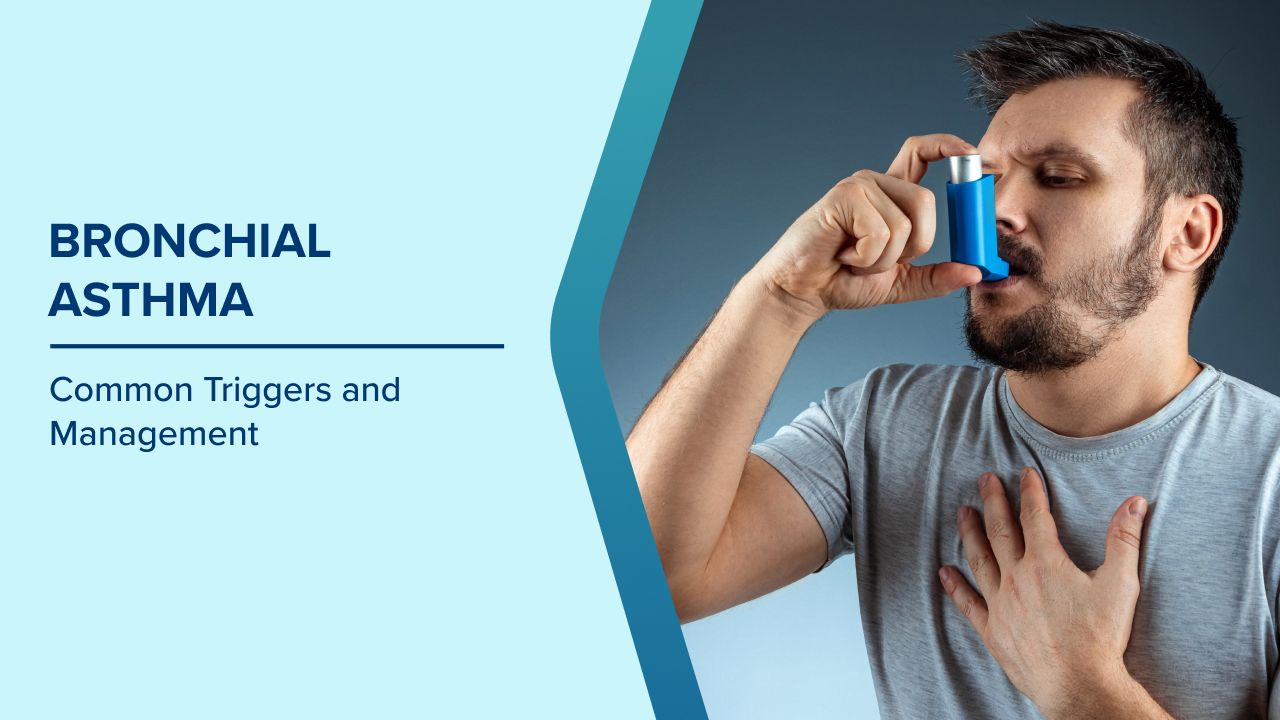
Asthma is a chronic respiratory disease with multiple phenotypes that affects individuals across all age groups. It is characterised by airway inflammation, mucus accumulation, and bronchial muscle constriction, leading to airflow limitation and breathing difficulties. Common symptoms include wheezing (a whistling sound), breathlessness, chest tightness, and cough, which often vary over time and in intensity.
Common Triggers of Asthma
Asthma symptoms are typically triggered by environmental or physiological factors, which differ among individuals. Common triggers include allergens such as house dust mites, pollen, pet dander, and moulds; air irritants such as pollution, tobacco smoke, and strong odours (perfumes, incense); and weather changes such as cold air, humidity, or sudden temperature shifts. Respiratory infections, such as the common cold, flu, or sinusitis, are frequent precipitants.
Physical exertion, especially in cold, dry conditions, can lead to exercise-induced asthma. Emotional stress, anxiety, or intense feelings (laughing or crying) may also provoke symptoms. Certain medications, including aspirin, NSAIDs, and beta-blockers, are known triggers. Occupational exposures to dust, chemicals, or fumes can worsen asthma. Additionally, gastroesophageal reflux and hormonal fluctuations, particularly in women, may contribute. Identifying personal triggers is crucial, and maintaining a symptom diary can help minimize exposure.
Understanding Asthma Control and Severity
Asthma control is described using specific terminologies. Uncontrolled asthma refers to poor symptom control with frequent exacerbations. Difficult-to-treat asthma describes persistent symptoms despite medium to high doses of medication, often due to modifiable factors such as poor inhaler technique, non-adherence, smoking, comorbidities, or even incorrect diagnosis. Severe asthma is a subset where symptoms remain uncontrolled despite optimal therapy, good adherence, and correction of comorbidities. These patients may benefit from newer biologic therapies tailored to specific phenotypes.
Acute Asthma Exacerbations
An acute asthma exacerbation is marked by progressive worsening of symptoms, including increased breathlessness, cough, wheezing, and chest tightness, along with declining lung function. These episodes may require emergency care, hospitalisation, and can be life-threatening.
Diagnosis
Diagnosis is based on clinical history, physical examination, and objective testing. A pulmonary function test (PFT) showing an obstructive pattern with significant reversibility after bronchodilator administration is the hallmark. Additional tests, such as fractional exhaled nitric oxide (FeNO), blood eosinophil counts, and IgE levels, help phenotyping and guide therapy.
Treatment and Management
Although asthma can be serious, it is highly manageable with appropriate treatment and lifestyle measures. Management includes both pharmacological and non-pharmacological strategies. Medications are broadly classified into controller drugs (such as inhaled corticosteroids and long-acting bronchodilators) that reduce inflammation and prevent symptoms. These are required on a long-term basis, while rescue medications that provide rapid relief during acute episodes are used as needed. Correct inhaler technique is essential for effective drug delivery, and regular follow-up is important to assess control and adjust therapy. Patients with severe asthma may require treatment with biologics targeting specific inflammatory pathways.
Monitoring and Follow-Up
Monitoring plays a key role in management. An individualised asthma action plan should outline daily care and steps to manage worsening symptoms. Peak flow monitoring helps detect early deterioration in lung function.
Lifestyle Modifications
Lifestyle modifications are equally important. Patients should avoid known triggers, maintain a clean environment, and manage associated allergies. Regular exercise is encouraged with appropriate precautions. A healthy diet, weight control, smoking cessation, and stress management further contribute to better outcomes.
Conclusion
With proper management, most individuals with asthma can achieve good symptom control, reduce exacerbations, and maintain a good quality of life.
Written and Verified by:

Related Blogs

Medical Expert Team
Jun 06 , 2015 | 2 min read

Blogs by Doctor

Air Pollution, Diwali And COVID 19 – A Deadly Combination ?
Dr. Vivek Nangia In Pulmonology
Nov 09 , 2021 | 3 min read

COPD (Chronic Obstructive Pulmonary Disease)
Dr. Vivek Nangia In Pulmonology
Nov 17 , 2021 | 1 min read
Most read Blogs


Related Blogs
Medical Expert Team
Jun 06 , 2015 | 2 min read
Blogs by Doctor
Air Pollution, Diwali And COVID 19 – A Deadly Combination ?
Dr. Vivek Nangia In Pulmonology
Nov 09 , 2021 | 3 min read
COPD (Chronic Obstructive Pulmonary Disease)
Dr. Vivek Nangia In Pulmonology
Nov 17 , 2021 | 1 min read
Most read Blogs