 WhatsApp Us (24/7)
 +91 926 888 0303 (24/7)


To Book an Appointment
Call Us+91 926 888 0303How Thyroid Problems Affect Fertility and Pregnancy: Types & Treatment
By Dr. Suman Lal in Obstetrics And Gynaecology , Robotic Surgery
Jan 20 , 2026
1

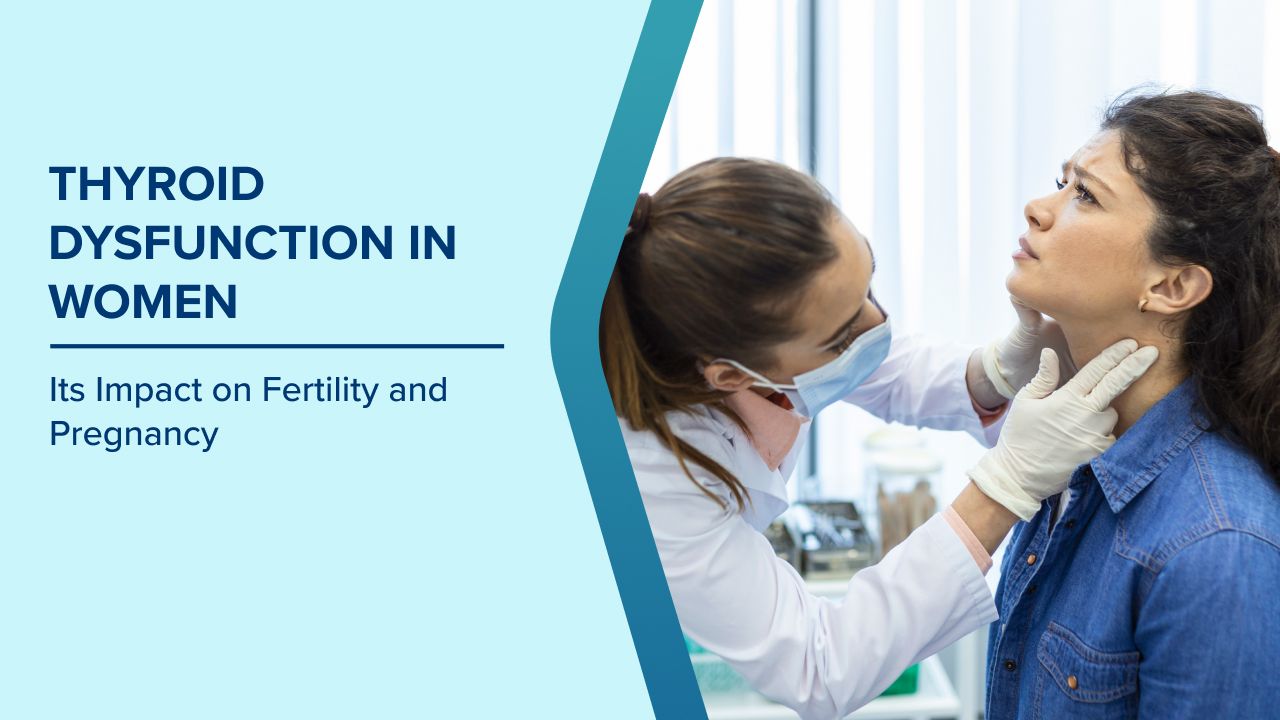
Infertility can be a difficult experience for many couples, and in many cases, the underlying reason is not clear right away. One commonly overlooked yet highly treatable factor affecting fertility in women is thyroid dysfunction. The thyroid gland plays an important role in regulating metabolism, hormones, and reproductive health. Even subtle imbalances can interfere with ovulation, menstrual regularity, and the ability to conceive.
Understanding the Thyroid Gland
The thyroid is a small, butterfly-shaped gland located in the neck that produces hormones, T3 (triiodothyronine) and T4 (thyroxine), which regulate metabolism, energy levels, and hormonal balance. These hormones interact closely with reproductive hormones, such as estrogen, progesterone, luteinising hormone (LH), and follicle-stimulating hormone (FSH), underscoring the importance of thyroid health for normal fertility.
Types of Thyroid Disorders Affecting Fertility
Hypothyroidism (Underactive Thyroid)
Hypothyroidism is one of the most common thyroid disorders seen in women of reproductive age. It happens when the thyroid gland fails to make an adequate amount of hormones.
Impact on fertility:
- Irregular or absent menstrual cycles
- Anovulation (failure to release an egg)
- Increased prolactin levels, which can suppress ovulation
- Higher risk of miscarriage and pregnancy complications
Women with untreated hypothyroidism may experience difficulty conceiving, but with timely diagnosis and treatment, fertility outcomes significantly improve.
Hyperthyroidism (Overactive Thyroid)
Hyperthyroidism occurs when the thyroid gland produces excessive hormones. Impact on fertility:
- Light or infrequent periods
- Hormonal imbalance affecting egg quality
- Reduced chances of implantation
- Increased risk of early pregnancy loss
Although less common than hypothyroidism, hyperthyroidism also requires careful management before attempting conception.
Thyroid Disorders and Pregnancy Outcomes
Uncontrolled thyroid disorders not only affect conception but can also impact pregnancy and fetal development. Poorly managed thyroid levels during pregnancy may lead to:
- Miscarriage
- Preterm birth
- Preeclampsia
- Low birth weight
- Developmental issues in the baby
This is why thyroid screening is strongly recommended for women planning pregnancy or undergoing fertility treatment.
When Should You Get Tested?
Women should consider thyroid testing if they:
- Have irregular menstrual cycles
- Are unable to conceive after 6–12 months of trying
- Have a history of miscarriage
- Experience symptoms like unexplained weight changes, fatigue, hair fall, or mood disturbances
- Have a family history of thyroid disease
A simple blood test measuring TSH, T3, and T4 levels can help diagnose thyroid dysfunction early.
Treatment and Fertility
The good news is that most thyroid-related fertility issues are completely manageable. Hypothyroidism is treated with thyroid hormone replacement, which helps restore normal ovulation and menstrual cycles.
Hyperthyroidism is managed through medications and careful monitoring to achieve hormone balance. Once thyroid levels are well-controlled, many women conceive naturally or respond better to assisted reproductive treatments.
A Holistic Approach to Care
Managing infertility requires addressing all hormonal and lifestyle factors. Along with thyroid treatment, maintaining a healthy weight, balanced nutrition, stress management, and regular follow-ups with a gynaecologist and endocrinologist are essential for optimal outcomes.
Why Choose Max Hospital, Gurugram?
At Max Hospital, Gurugram, women receive comprehensive, evidence-based care for thyroid disorders and infertility under one roof. With advanced diagnostic facilities, a multidisciplinary team of gynaecologists, endocrinologists, and fertility specialists, and personalised treatment plans, Max Hospital ensures accurate diagnosis, timely intervention, and compassionate care throughout the fertility journey.
Conclusion
Thyroid disorders are a common but often underdiagnosed cause of infertility. Early detection, appropriate treatment, and expert guidance can make a significant difference in a woman’s fertility journey. If you are struggling to conceive, evaluating thyroid health could be a crucial first step toward achieving a healthy pregnancy.
Written and Verified by:

Related Blogs

Dr. Manju Khemani In Obstetrics And Gynaecology
Oct 27 , 2020 | 3 min read

Dr. Neera Aggarwal In Obstetrics And Gynaecology , Nutrition And Dietetics
Nov 07 , 2020 | 7 min read
Blogs by Doctor

Complete Guide to A Healthy Pregnancy
Dr. Suman Lal In Obstetrics And Gynaecology
Aug 29 , 2019 | 3 min read

The Role of Nutrition in Women’s Health: Key Insights
Dr. Suman Lal In Obstetrics And Gynaecology , Nutrition And Dietetics
Jan 22 , 2024 | 6 min read
Most read Blogs

Related Blogs
Dr. Manju Khemani In Obstetrics And Gynaecology
Oct 27 , 2020 | 3 min read
Dr. Neera Aggarwal In Obstetrics And Gynaecology , Nutrition And Dietetics
Nov 07 , 2020 | 7 min read
Blogs by Doctor
Complete Guide to A Healthy Pregnancy
Dr. Suman Lal In Obstetrics And Gynaecology
Aug 29 , 2019 | 3 min read
The Role of Nutrition in Women’s Health: Key Insights
Dr. Suman Lal In Obstetrics And Gynaecology , Nutrition And Dietetics
Jan 22 , 2024 | 6 min read
Most read Blogs