 WhatsApp Us (24/7)
 +91 926 888 0303 (24/7)


To Book an Appointment
Call Us+91 926 888 0303Precision Radiation Therapy: Benefits, Types & Management
By Dr. Abhishek Gulia in Radiation Oncology , Cancer Care / Oncology , Uro-Oncology , Breast Cancer , Gastrointestinal & Hepatobiliary Oncology
Apr 20 , 2026

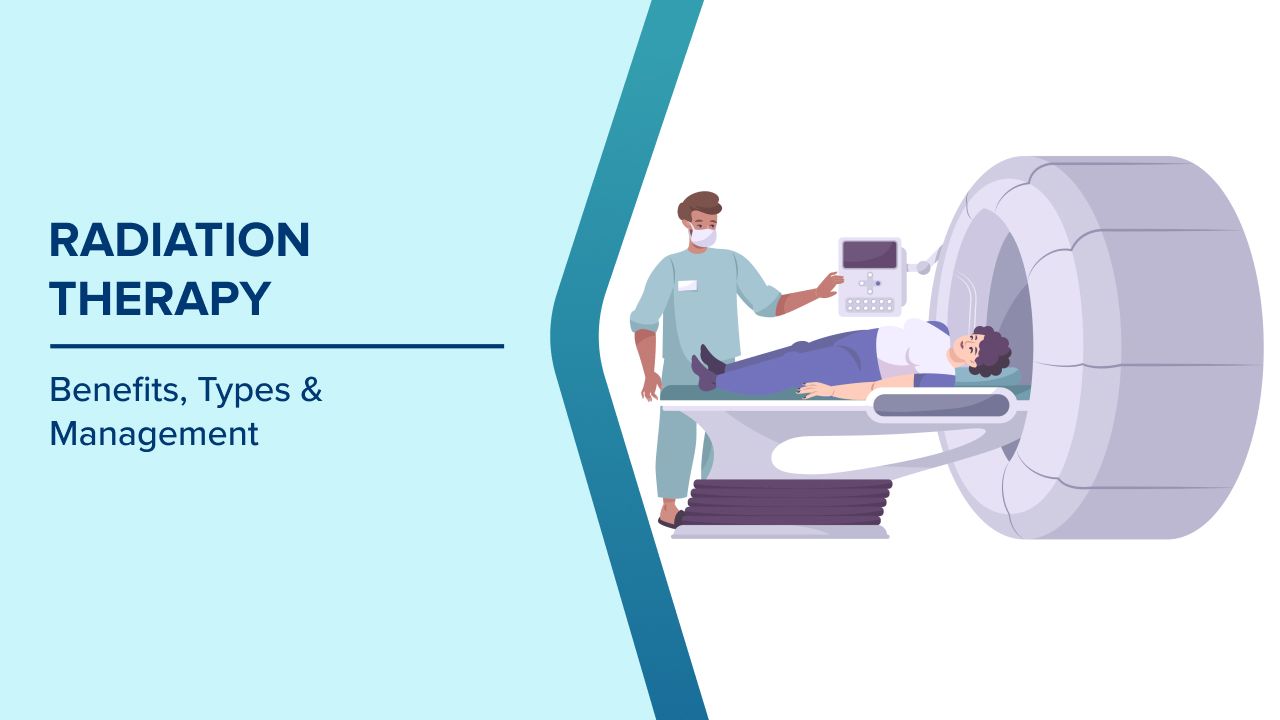
Cancer treatment has evolved significantly over time, and one of the most important advancements has been in radiation therapy. Earlier approaches often raised concerns about damage to nearby healthy tissues. Today, precision radiation therapy focuses on targeting cancer cells with greater accuracy while protecting surrounding structures.
This shift has made treatment more effective and more tolerable for patients. Understanding how precision radiation works can help patients feel more confident about their treatment journey.
What Is Precision Radiation Therapy
Precision radiation therapy refers to advanced techniques that deliver radiation directly to the tumour while limiting exposure to healthy tissues.
Unlike traditional radiation methods, which may affect a broader area, modern approaches are designed to:
● Focus on the exact shape and size of the tumour
● Adjust radiation doses based on location
● Minimise unnecessary exposure
This targeted approach improves treatment outcomes while reducing unwanted side effects.
Why Protecting Healthy Tissue Matters
Radiation works by damaging cancer cells so they cannot grow or divide. However, nearby healthy tissues can also be sensitive to radiation.
Minimising damage is important because it helps:
● Reduce treatment-related discomfort
● Preserve organ function
● Improve overall recovery
● Lower the risk of long-term complications
The goal is not just to treat cancer, but to maintain quality of life during and after treatment.
How Precision Is Achieved in Modern Radiation Therapy
Advancements in technology have made it possible to deliver radiation with exceptional accuracy.
Detailed Imaging Before Treatment
Before starting radiation therapy, detailed imaging is used to map the tumour.
This helps in:
● Identifying the exact location
● Understanding the tumour’s shape
● Planning the safest radiation path
Accurate imaging forms the foundation of precision treatment.
Personalised Treatment Planning
Each patient receives a customised treatment plan.
Factors considered include:
● Tumour size and location
● Surrounding organs
● Overall health condition
This ensures that radiation is delivered in a way that is both effective and safe.
Controlled Radiation Delivery
Modern machines can deliver radiation in a controlled and focused manner.
This allows:
● High doses to reach the tumour
● Minimal exposure to nearby tissues
● Better protection of sensitive areas
Real-Time Monitoring
During treatment, some systems monitor the tumour’s position.
This is important because:
● Organs can shift slightly with breathing or movement
● Radiation needs to stay accurately targeted
Real-time adjustments help maintain precision throughout the session.
Read More: Modern Radiation Therapy: How Precision Technology Is Changing the Way We Treat Cancer
Types of Precision Radiation Techniques
Different techniques are used depending on the type and location of cancer.
● Image-Guided Radiation Therapy: This approach uses imaging during each session to ensure accurate positioning.
● Intensity-Modulated Radiation Therapy: Radiation beams are adjusted in intensity to match the tumour shape, reducing exposure to nearby tissues.
● Stereotactic Radiosurgery: A highly focused method that delivers a strong dose in a small number of sessions, often used for specific areas.
● Proton Therapy: This technique uses protons instead of traditional radiation beams, allowing more controlled energy delivery.
Benefits of Precision Radiation Therapy
Precision radiation offers several advantages compared to conventional methods.
● Improved Targeting: Radiation is directed exactly where it is needed, increasing effectiveness.
● Reduced Side Effects: Less exposure to healthy tissue means fewer unwanted effects.
● Shorter Recovery Time: Patients often recover faster due to reduced overall impact on the body.
● Better Quality of Life: Daily routines are less disrupted during treatment.
Common Side Effects and How They Are Managed
Even with precision techniques, some side effects may still occur. However, they are usually milder and easier to manage.
Possible effects include:
● Fatigue
● Mild skin irritation
● Temporary discomfort in the treated area
Management strategies often include:
● Adequate rest and hydration
● Skin care as advised by the doctor
● Following treatment guidelines carefully
The care team provides personalised advice to manage these effects effectively.
Who Can Benefit from Precision Radiation Therapy
Precision radiation is suitable for many types of cancers, especially when:
● The tumour is located near vital organs
● High accuracy is required
● Reducing long-term effects is a priority
However, suitability depends on individual assessment and treatment goals.
What to Expect During Treatment
Understanding the process can reduce anxiety and help patients feel more prepared.
Before Treatment
● Planning sessions and imaging
● Discussion of treatment schedule
● Personalised care plan
During Treatment
● Short and painless sessions
● No sensation during radiation delivery
● Regular monitoring by the care team
After Treatment
● Follow-up appointments
● Monitoring for response and recovery
● Gradual return to routine activities
The Emotional Aspect of Radiation Therapy
Cancer treatment is not only physical. It also affects emotional well-being.
Patients may experience:
● Anxiety about outcomes
● Fear of side effects
● Uncertainty about the future
Having a clear understanding of treatment and maintaining open communication with the care team can provide reassurance and support.
Future of Precision Radiation
Radiation therapy continues to evolve with advancements in technology.
Future developments aim to:
● Improve accuracy further
● Reduce treatment duration
● Enhance patient comfort
The focus remains on delivering effective treatment with minimal impact on daily life.
Conclusion
Precision radiation therapy represents a significant step forward in cancer care. By focusing on targeted treatment and protecting healthy tissues, it allows patients to receive effective therapy with fewer disruptions to their overall well-being.
Understanding how this approach works can help patients make informed decisions and approach treatment with greater confidence. With the right guidance and care, radiation therapy can be both effective and manageable.
Frequently Asked Questions
1. Can precision radiation therapy be combined with other treatments?
Yes, it is often used alongside surgery or medication-based treatments as part of a comprehensive care plan.
2. Is there a difference in cost compared to traditional radiation?
Advanced techniques may involve higher costs, depending on the technology used and treatment complexity.
3. How long does each radiation session take?
Sessions are usually brief and may last only a few minutes, although preparation time may vary.
4. Can treatment schedules be adjusted for personal needs?
In some cases, schedules can be planned to accommodate individual routines, depending on medical requirements.
5. Does precision radiation affect surrounding organs over time?
The goal is to minimise long-term impact, but follow-up care is important to monitor overall health after treatment.
Written and Verified by:

Related Blogs


Dr. Charu Garg In Radiation Oncology , Cancer Care / Oncology , Breast Cancer
Sep 20 , 2017 | 3 min read
Blogs by Doctor

Mucormycosis in cancer patients - an emerging threat
Dr. Abhishek Gulia In Radiation Oncology
Jun 02 , 2021 | 2 min read

Most read Blogs


Related Blogs
Dr. Charu Garg In Radiation Oncology , Cancer Care / Oncology , Breast Cancer
Sep 20 , 2017 | 3 min read
Blogs by Doctor
Mucormycosis in cancer patients - an emerging threat
Dr. Abhishek Gulia In Radiation Oncology
Jun 02 , 2021 | 2 min read
Most read Blogs