 WhatsApp Us (24/7)
 +91 926 888 0303 (24/7)


To Book an Appointment
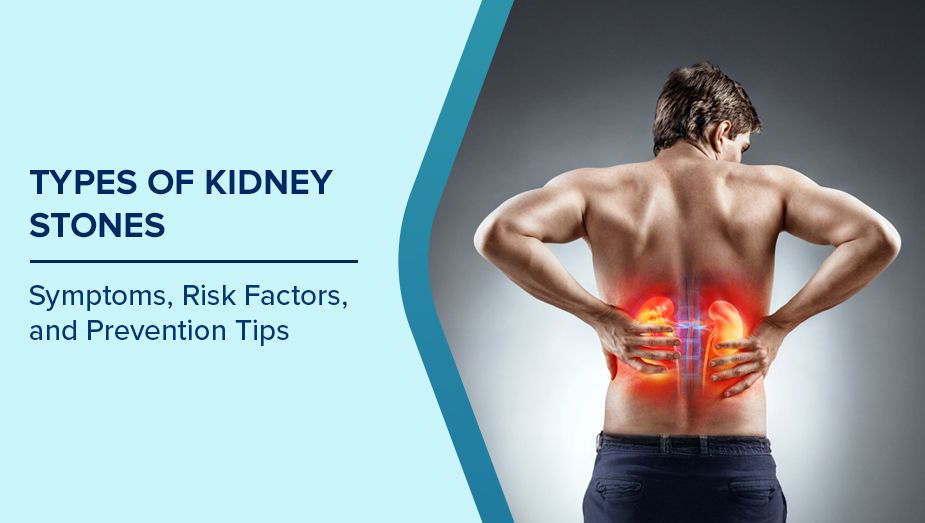
Call Us+91 926 888 0303Types of Kidney Stones: Symptoms, Risk Factors, and Prevention Tips
By Dr. Gaurav Garg (Uro) in Urology
Dec 16 , 2025 | 12 min read

Kidney stones are a fairly common condition, and those who have experienced them know the pain can feel overwhelming. While the condition may sound daunting; with the right understanding, it can be easily treated, and in many cases, even prevented. That said, there are different types of kidney stones, and knowing the differences can make a real difference in how they are addressed. That’s why learning about them is not only about treatment - it is about giving yourself the knowledge to protect your health, make small but meaningful changes, and know when it is the right time to reach out for medical help.
In this article, we will explore the different types of kidney stones in detail, covering their symptoms, risk factors and prevention tips. Let’s start by understanding the basics.
What are Kidney Stones?
Kidney stones are hard deposits that form when minerals and salts in urine crystallise and clump together inside the kidney. They may remain in the kidney without symptoms or travel into the ureter, the tube that drains urine to the bladder, which can partially or fully block urine flow and irritate the lining of the urinary tract. That is when stones often can cause severe, colicky pain. Kidney stones vary in composition, shape and size, ranging from grains of sand to several millimetres or more. Moreover, one person can develop different types of kidney stones over time.
What are the Symptoms of Kidney Stones?
Kidney stone symptoms often start suddenly and can be intense. Pain usually begins in the side or back and may move to the lower tummy or groin as the stone travels.
Common Symptoms
- Severe, wave-like pain in the side or back, sometimes radiating to the groin, testicle, or labia
- Pain or burning sensation when passing urine
- Urgent or frequent urination, sometimes with small amounts each time
- Blood in the urine, which may be visible (pink, red or brown) or microscopic
- Nausea or vomiting
- Cloudy or strong-smelling urine
- Fever, chills or feeling generally unwell with flank pain
- Uncontrolled pain or inability to pass urine
- Faintness or signs of dehydration
What are the Types of Kidney Stones?
Different types of kidney stones arise from different biochemical pathways. Knowing the type helps guide specific dietary advice and, when appropriate, medicines. Common types of kidney stones include:
1. Calcium-oxalate and Calcium Phosphate Stones
Calcium stones, the most common types of kidney stones, form when calcium and oxalate crystallise in concentrated urine. Oxalate is produced naturally in the body and also found in foods such as spinach, nuts, and beetroot. Calcium phosphate stones tend to form in more alkaline urine and may be linked with conditions that change urine pH or raise urinary calcium. Low fluid intake, high sodium intake, and some medicines may increase the risk. It is important for patients to know that normal dietary calcium from food is protective for many people. Calcium binds oxalate in the gut and reduces oxalate absorption. Therefore, cutting calcium from food is not advised unless advised by your doctor.
2. Uric Acid Stones
Uric acid stones develop when urine is persistently acidic. Risk increases with dehydration, high intake of purine-rich animal protein, gout, insulin resistance, obesity, and some medicines. People with diabetes may have more acidic urine, which favours uric acid crystallisation. Increasing fluid intake, moderating animal protein, achieving a healthy weight, and if recommended by doctor, alkalinising urine with agents such as potassium citrate form the backbone of prevention.
2. Struvite stones
Struvite stones form in people with urinary infections caused by urease-producing bacteria (for example Proteus or Klebsiella). The enzyme urease splits urea, raising urine pH and promoting rapid stone growth that can sometimes fill the kidney’s collecting system. Treatment centres on eradicating the infection and removing the stone to prevent recurrence and protect kidney function.
3. Cystine Stones
Cystine stones occur in people with cystinuria - a rare inherited disorder that causes excess cystine in the urine. As cystine is poorly soluble, it crystallises easily and can lead to recurrent stones. Management focuses on very high fluid intake spread through the day and night, urine alkalinisation (often with potassium citrate) to keep urine pH higher, and when needed, specialist medicines that bind cystine and lower its concentration. In addition, limiting sodium can also reduce cystine excretion.
What are the Risk Factors for Kidney Stones?
Stone formation reflects that the balance between promoters of crystallisation and inhibitors that keep minerals is disrupted. Common kidney stone risk factors include:
- Low fluid intake and dehydration: Concentrated urine makes crystals more likely to form. This is common in hot climates and in occupations with limited access to fluids or toilets.
- High sodium intake: Excess salt increases urinary calcium, which encourages calcium stones.
- High animal-protein intake: Large amounts of meat or fish can acidify urine, raise uric acid and reduce urinary citrate, a natural inhibitor of stones.
- Low dietary calcium: Very low calcium intake can increase oxalate absorption and raise the risk of calcium-oxalate stones.
- Family history and genetics: Having a first-degree relative with kidney stones increases your risk. Clustering in families reflects shared genes and habits.
- Certain medicines and supplements: High-dose vitamin C, some diuretics, topiramate, and unnecessary high-dose calcium or vitamin D supplements increase the risk.
- Obesity: Excess weight is linked to insulin resistance, lower urine pH and lower urine volume, which together increase stone risk.
Medical Conditions that Increase the Risk of Kidney Stones
Some conditions alter urine volume, pH or solute levels and make stones more likely. Key examples include:
- Gout and hyperuricaemia: High serum and urinary uric acid promote uric-acid crystallisation and can also act as a nidus for calcium-oxalate stones. Management includes hydration, moderating purine-rich meats, weight control, and urate-lowering therapy when indicated.
- Primary hyperparathyroidism: increases blood and urinary calcium, predisposing to calcium stones.
- Renal tubular acidosis (type 1/distal): causes alkaline urine and low citrate, linked to calcium phosphate stones.
- Chronic diarrhoea, inflammatory bowel disease, short-bowel states: increase oxalate absorption and reduce urine volume, encouraging calcium-oxalate stones.
- Recurrent urinary infections: Repeated UTIs, especially with urease-producing bacteria, increase the risk of struvite stones; prompt diagnosis and treatment reduce recurrence.
- Inherited disorders: cystinuria, which impairs renal reabsorption of cystine, leads to cystine stones; primary hyperoxaluria, which causes excess oxalate production, leads to very high urinary oxalate and early, recurrent stones.
- Diabetes: Often associated with persistently acidic urine and lower urinary citrate, which increases uric-acid stone risk. Good glycaemic control, hydration, weight management, and urine alkalinisation when advised can lower recurrence.
- Metabolic syndrome: Insulin resistance leads to low urine pH and reduced urinary citrate, favouring uric-acid stones and, in some cases, mixed stones. Prevention focuses on weight reduction, increased physical activity, dietary sodium moderation, and urine alkalinisation where appropriate.
- Digestive disorders and surgery: Inflammatory bowel disease, chronic diarrhoea, short bowel, and some bariatric procedures increase oxalate absorption and reduce urine volume.
- Anatomical abnormalities of the urinary tract and medullary sponge kidney can also increase risk.
If any of these apply to you, discuss prevention proactively with your clinician. A referral to a dietitian can help translate medical advice into a practical eating plan tailored to your risks and preferences.
What are the Complications of Kidney Stones?
Kidney stones can lead to several complications if they are not treated promptly or if they recur frequently. Here are the possible complications:
- Urinary Tract Obstruction: A stone may block the normal flow of urine, either partially or completely. This can cause urine to back up into the kidney (hydronephrosis), leading to swelling and pressure that damages kidney tissue.
- Infections: Stones can increase the risk of urinary tract infections (UTIs). If bacteria are trapped behind a blockage, it may lead to pyelonephritis (kidney infection), which can be serious.
- Kidney Damage: Prolonged obstruction may cause permanent kidney damage or even kidney failure. Moreover, recurrent stones can scar the kidney and reduce its function over time.
- Chronic Pain: Even small stones that move frequently may cause recurrent flank pain or discomfort.
- Bleeding (Hematuria): Stones may scratch or irritate the lining of the urinary tract, causing blood in the urine (visible or microscopic).
- Ureteral Strictures: Recurrent stones or procedures to remove them can sometimes cause narrowing of the ureters, which can further obstruct urine flow.
- Sepsis: Though rare, infection caused by obstructed stones can spread to the bloodstream, leading to sepsis - a life-threatening complication.
Can Kidney Stones Go Away on their Own?
Many small kidney stones pass on their own. Stones about 5 mm or less often pass spontaneously with adequate fluids and pain relief, although the chance of passage also depends on the stone’s position and a person’s anatomy. Stones between 5 and 10 mm pass less often and may take longer to do so, while those larger than this usually need a procedure. While waiting for a small stone to pass, your clinician may recommend pain medicines, anti-nausea medicines, and offer advice about fluid intake. Seek urgent care and do not rely on home remedies if you have fever or chills, persistent vomiting, uncontrolled pain, feel faint or confused, or cannot pass urine.
How to Prevent Kidney Stones?
Prevention focuses on keeping urine dilute and less prone to crystal formation, while addressing your individual risk factors. Most people benefit from simple, sustainable habits, with extra steps based on stone type. Your clinician can refine the plan after reviewing any stone analysis and basic urine and blood tests.
Hydration: The Foundation of Prevention
Keeping urine dilute is the most effective step. Drink enough to produce about two to two and a half litres of pale, straw-coloured urine daily. Prefer water, sip through the day, and increase intake with heat or exercise. Unsweetened citrus water may also raise urinary citrate. Follow clinician-set fluid limits if you have heart, kidney, or liver disease.
Keep Dietary Calcium in the Normal Range
Calcium from food is not the enemy for people prone to calcium-oxalate stones. A normal intake with meals helps bind oxalate in the gut and reduces absorption. Include calcium-rich foods, such as low-fat dairy or fortified alternatives, alongside meals that contain oxalate. Avoid high-dose calcium supplements unless prescribed.
Reduce Sodium and Moderate Animal Protein
Lowering salt intake helps reduce urinary calcium, which lowers calcium-stone risk. Aim for less than about 2,000 mg sodium per day, unless your clinician advises otherwise. Cook with less salt, limit processed foods, and read labels. Keep animal protein to moderate portions to curb uric acid and support urinary citrate. Build meals around vegetables, whole grains, legumes, and modest amounts of lean protein to support weight and cardiometabolic health.
Weight, Activity, and other Lifestyle Factors
Maintaining a healthy weight, exercising regularly, and sleeping well support overall health and can lower the risk of kidney stones, especially in people with obesity or insulin resistance. Aim for gradual weight loss if needed, make sure to have at least 150 minutes of moderate activity each week, and 7-9 hours of sleep every night. Replace sugar-sweetened drinks with water or unsweetened options; these beverages add calories and can unfavourably change urine chemistry. Keep alcohol modest, and drink extra water with any alcoholic drink to limit dehydration. If stones recur, arrange structured follow-up that includes periodic imaging, metabolic assessment, and stepwise adjustments to your prevention plan.
Match Advice to Stone Type
- Calcium-oxalate Stones: Limit foods that are high in oxalate such as spinach, beetroot, rhubarb, nuts, and dark chocolate. You do not need to avoid them entirely; pair oxalate-rich foods with calcium-rich foods at the same meal to bind oxalate in the gut.
- Uric Acid Stones: Increase fluids and discuss urine alkalinisation with your clinician. Reduce purine-dense meats and organ meats, limit sugary drinks, and achieve a healthy weight to improve insulin sensitivity.
- Struvite Stones: Preventing urinary infections is central. Seek prompt diagnosis and treatment of UTIs; stone removal is often required to reduce recurrence and protect kidney function.
- Cystine Stones: Maintain very high fluid intake across the day and night and use urine alkalinisation as advised. Specialist medicines may be needed, with close follow-up in a metabolic stone clinic.
Conclusion
Kidney stones can be painful, but understanding the types of kidney stones and personal risk factors helps with management as well as prevention. If you have symptoms such as sudden flank pain, pain on passing urine, or blood in your urine, consult a doctor as soon as possible. At Max Hospital, our urology team provides comprehensive evaluation, imaging, and evidence-based treatments, along with personalized prevention plans. Book a consultation to discuss your symptoms and create a plan that protects kidney function and supports long-term wellbeing.
FAQs
What can I expect if I have kidney stones?
Pain often begins suddenly and comes in waves. It is usually felt in the side or back and may move toward the groin. You may notice burning when you pass urine, the need to urinate often, or blood in the urine. Nausea and vomiting are common. If pain occurs with fever, seek urgent care.
What foods should I avoid to reduce the risk of kidney stones?
Most people benefit from limiting sodium, moderating animal protein, and cutting back on added sugar. If you form calcium oxalate stones, be cautious with very high oxalate foods and pair them with calcium-rich foods at meals. Do not restrict dietary calcium unless your clinician advises it.
Can kidney stones cause complications?
Yes. Stones can block urine flow, trigger recurrent infections, and lead to hydronephrosis. An infection behind a blockage is an emergency and needs prompt treatment.
What treatments are available for kidney stones?
Small stones may pass with fluids and pain relief. Larger or persistent stones may need shockwave lithotripsy, ureteroscopy, or percutaneous nephrolithotomy. The choice depends on stone size and location and on your overall health.
What is the best way to get rid of kidney stones?
There is no single best approach for everyone. Very small stones often pass on their own with conservative care. Your urologist will recommend the most suitable procedure when needed.
Can I live a normal life with kidney stones?
Yes. Most people return to normal activities once a stone passes or is treated. Long-term success relies on prevention through fluids, a tailored diet, and medicines when indicated.
Do kidney stones cause kidney disease?
Most people recover fully after a single stone. Repeated stones, prolonged blockage, or infection can harm the kidney over time, which is why prevention and timely treatment are important.
Are kidney stones deadly?
Stones are rarely life-threatening by themselves. The serious risk is infection trapped behind a blockage, which can be dangerous and requires urgent hospital care.
What are the first signs of kidney stones?
Severe, colicky pain in the side or back that may move to the groin is typical. You may have pain on passing urine and see blood in the urine, either visible or under the microscope. Nausea and vomiting can occur.
How can I stop kidney stone pain immediately?
There is no guaranteed instant fix. Use the pain medicines recommended by your clinician, hydrate if you can keep fluids down, and seek urgent care for fever, uncontrolled pain, or inability to pass urine.
Can children get kidney stones?
Yes, although they are less common than in adults. Children with suspected stones need prompt assessment and a prevention plan tailored to their needs.
Are there natural remedies to help prevent kidney stones?
Helpful measures include high fluid intake, lower sodium, adequate dietary calcium, and more fruit and vegetables to raise urinary citrate. Discuss any supplements with a clinician before starting them.
What are some effective home remedies for kidney stones?
For small stones, drinking fluids and using clinician-directed pain relief can help passage. A warm compress over the flank may ease muscle spasm. Do not rely on home care if you have fever, severe pain, or difficulty passing urine.
Written and Verified by:

Related Blogs

Dr. Anant Kumar In Urology , Kidney Transplant , Uro-Oncology
Nov 08 , 2020 | 8 min read
Dr. Shailendra Kumar Goel In Urology , Kidney Transplant , Uro-Oncology
Nov 08 , 2020 | 4 min read
Blogs by Doctor

Erectile Dysfunction: Symptoms, Causes and Tips For Prevention
Dr. Gaurav Garg (Uro) In Urology
Nov 18 , 2022 | 1 min read

Most read Blogs


Related Blogs
Dr. Anant Kumar In Urology , Kidney Transplant , Uro-Oncology
Nov 08 , 2020 | 8 min read
Dr. Shailendra Kumar Goel In Urology , Kidney Transplant , Uro-Oncology
Nov 08 , 2020 | 4 min read
Blogs by Doctor
Erectile Dysfunction: Symptoms, Causes and Tips For Prevention
Dr. Gaurav Garg (Uro) In Urology
Nov 18 , 2022 | 1 min read
Most read Blogs