 WhatsApp Us (24/7)
 +91 926 888 0303 (24/7)


To Book an Appointment
Call Us+91 926 888 0303Hypoxia: Causes, Symptoms, and Treatment Options
By Dr Rahul Sharma in Pulmonology
May 14 , 2026
1

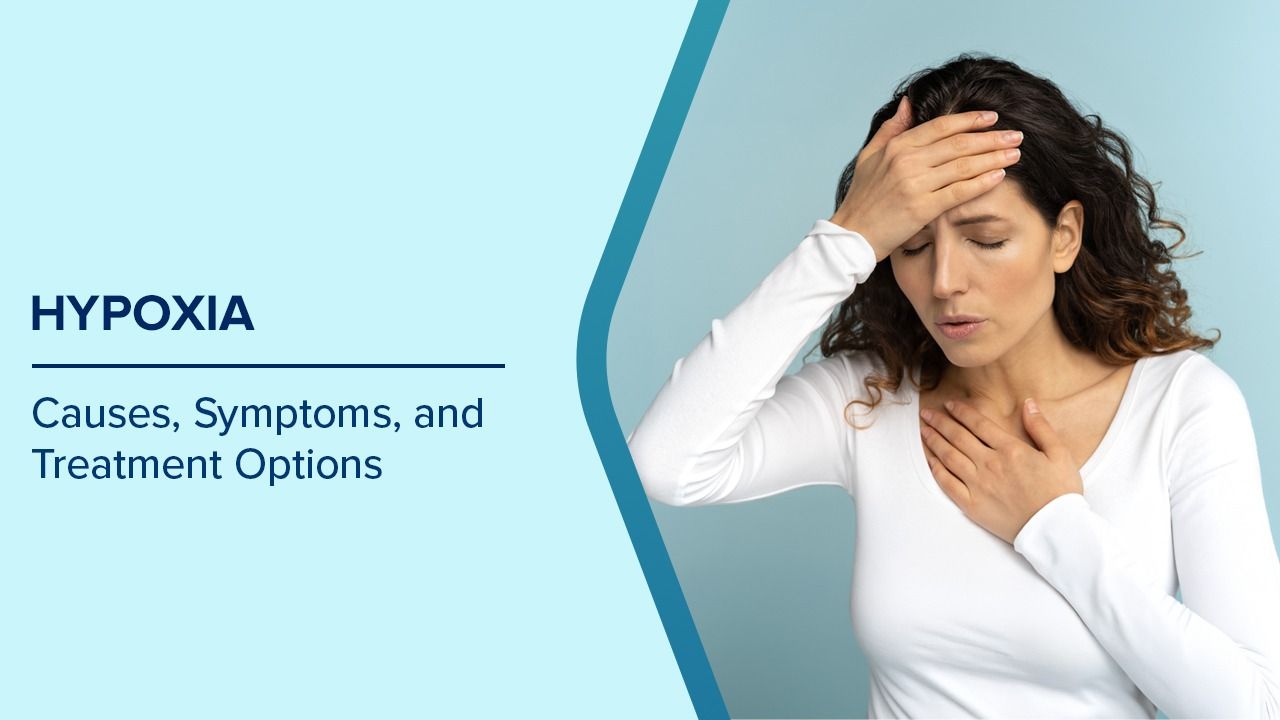
Hypoxia is a condition in which the body’s tissues do not receive enough oxygen to function normally. This lack of oxygen can create stress on different organs and lead to symptoms that may seem minor at first but gradually become harder to ignore. A clear idea of the causes and signs helps build awareness and reduces confusion when symptoms appear. This blog walks through these points in simple terms by explaining what hypoxia is, why it happens, what its symptoms are, and the treatment options doctors use to bring oxygen levels back to normal. Let’s dive in.
What is Hypoxia?
Hypoxia is a condition in which the body’s tissues receive less oxygen than they need for normal function. Oxygen reaches the tissues through the lungs, bloodstream, and cells, and any disruption in this chain reduces how much oxygen is available. When this happens, the body starts to conserve energy, and different organs adjust their activity to cope with the shortage. The brain, heart, and muscles are usually affected first because they rely heavily on a steady oxygen supply. Hypoxia can vary in severity, from mild cases that affect daily activities to severe cases that create serious health risks. It can also affect the whole body or only certain areas, depending on the cause.
What are the Types of Hypoxia?
Hypoxia can appear in different forms based on how the body’s oxygen supply is affected, and each type has a distinct underlying problem:
Hypoxic Hypoxia
This type occurs when there is not enough oxygen entering the lungs, which limits how much reaches the bloodstream. It often appears in situations such as high altitudes, severe breathing problems, or conditions that restrict airflow. Even if the heart and blood are functioning well, the body cannot receive enough oxygen from the environment, leading to a drop in tissue oxygen levels.
Anaemic Hypoxia
Anaemic hypoxia develops when the blood cannot transport enough oxygen to the tissues. This usually happens due to low haemoglobin levels or issues that reduce the oxygen-carrying capacity of red blood cells. In this case, oxygen may be available in the lungs, but the bloodstream is not able to deliver an adequate amount to different organs.
Stagnant Hypoxia
Stagnant hypoxia occurs when blood flow slows down or becomes restricted, which reduces the movement of oxygen to tissues. Conditions that affect circulation are common causes. Even with normal oxygen levels in the blood, the reduced flow prevents certain areas of the body from receiving what they need, which can lead to localised oxygen shortages.
Histotoxic Hypoxia
Histotoxic hypoxia appears when the cells are unable to use the oxygen delivered to them. This happens when certain substances interfere with normal cell function and block the body’s ability to convert oxygen into energy. In this type, oxygen reaches the tissues, but the cells cannot use it effectively, creating internal stress and affecting organ activity.
What Causes Hypoxia?
Several factors can reduce the body’s oxygen supply, and these can be grouped into the following key causes of hypoxia:
1. Lung Conditions
Lung-related issues are among the most common causes of hypoxia because they interfere with the body’s ability to take in oxygen. Conditions that affect the airways, air sacs, or overall lung function reduce the amount of oxygen entering the bloodstream. Problems such as infections, chronic breathing disorders, fluid in the lungs, or severe inflammation limit airflow and make it difficult for the lungs to transfer oxygen efficiently.
2. Heart Conditions
The heart plays a central role in sending oxygen-rich blood to the rest of the body, and any condition that affects its pumping ability can reduce oxygen delivery. When the heart becomes weak or its rhythm becomes irregular, the circulation slows down. As a result, tissues receive less oxygen than they need, even if the lungs are working normally. Reduced cardiac output is a key reason why some people experience widespread oxygen shortages.
3. Poor Blood Flow
Restricted or uneven circulation contributes to hypoxia by interrupting the movement of oxygen to specific areas. Situations that slow down blood flow or block vessels reduce the amount of oxygen reaching tissues. This can happen during prolonged inactivity, circulation-related illnesses, or conditions that affect the blood vessels. When the flow becomes sluggish, oxygen levels in certain regions drop quickly.
4. Low Oxygen Levels in the Environment
A simple lack of oxygen in the surrounding air can cause hypoxia, especially at high altitudes or in enclosed spaces with poor ventilation. In such environments, the air contains less oxygen than the body needs, causing a gradual drop in oxygen saturation. Even healthy lungs struggle to extract enough oxygen in these conditions, leading to noticeable symptoms.
5. Anaemia and Reduced Oxygen-Carrying Capacity
Hypoxia can also occur when the blood cannot transport enough oxygen. Low haemoglobin levels or conditions that affect red blood cells reduce how much oxygen the bloodstream can carry to the tissues. In these cases, oxygen may be available in the lungs, but the delivery system is weakened, resulting in a shortage at the tissue level.
6. Exposure to Certain Substances
Some substances interfere with how the body uses oxygen by affecting the cells directly. These substances block the normal chemical processes that convert oxygen into energy, causing oxygen to build up unused in the bloodstream. The cells then behave as though they are not receiving enough oxygen, even though the supply is present.
7. Breathing Difficulties Due to Airway Obstruction
Any obstruction that blocks or narrows the airways can significantly reduce the amount of oxygen entering the lungs. Swelling, foreign objects, allergic reactions, or structural issues in the airways restrict airflow and limit oxygen intake. When the passage of air becomes too narrow, the body struggles to maintain proper oxygen levels.
8. Sleep Apnoea
Sleep apnoea is another common cause of hypoxia, especially during sleep. It involves repeated pauses in breathing due to airway collapse or poor signals from the brain that control breathing. These pauses reduce the amount of oxygen entering the lungs and lead to sudden drops in oxygen levels. Over time, these repeated disruptions place strain on the heart, brain, and other organs, contributing to both short-term symptoms and long-term health effects.
What are the Common Symptoms of Hypoxia?
Hypoxia affects the body in many ways because low oxygen disrupts how organs function. The symptoms may appear suddenly or progress gradually, and the following signs are commonly seen:
- Shortness of breath: A clear feeling of struggling to breathe, even during light activity or rest, as the body tries to compensate for low oxygen.
- Rapid breathing: A noticeable increase in breathing pace because the lungs attempt to bring in more oxygen quickly.
- Confusion or difficulty concentrating: Reduced oxygen in the brain affects memory, attention, and decision-making, making simple tasks feel harder.
- Restlessness or agitation: The body reacts to oxygen shortage with discomfort, irritability, or an uneasy feeling.
- Headache: A common early sign caused by reduced oxygen reaching the brain’s tissues.
- Bluish or pale skin: The lips, fingertips, or face may change colour when oxygen levels in the blood drop significantly.
- Increased heart rate: The heart pumps faster to circulate the limited oxygen available, which can create a sense of fluttering or pounding.
- Fatigue or weakness: Muscles produce less energy with lower oxygen, leading to tiredness, heaviness, and decreased stamina.
- Dizziness or light-headedness: A result of insufficient oxygen reaching the brain, often accompanied by an unsteady feeling.
- Chest discomfort: The heart and lungs experience extra strain, which can create pressure, tightness, or mild pain.
How is Hypoxia Diagnosed?
Diagnosing hypoxia involves checking oxygen levels in the body and identifying what is causing the drop. Doctors use several tests and methods to assess oxygen supply, lung function, heart activity, and overall health. Key approaches include:
1. Pulse Oximetry
Pulse oximetry is a quick and non-invasive method used to measure the oxygen saturation level in the blood. A small clip-like device is placed on the finger, toe, or earlobe, and it uses light to estimate how much oxygen is attached to the red blood cells. It provides immediate results and is often used as the first step when hypoxia is suspected.
2. Arterial Blood Gas Test
The arterial blood gas test measures the exact amount of oxygen and carbon dioxide in the blood. A small sample is taken from an artery, usually at the wrist. This test provides precise information about how well the lungs are transferring oxygen into the bloodstream and removing carbon dioxide. It also helps assess the body’s acid–base balance, which can be affected when oxygen levels fall.
3. Physical Examination
A physical exam helps identify signs that point towards hypoxia. Doctors check breathing patterns, skin colour, heart rate, and lung sounds using a stethoscope. Observing symptoms such as bluish lips, rapid breathing, or confusion helps in understanding the severity and possible cause.
4. Lung Function Tests
Lung function tests evaluate how well the lungs are working. These tests measure airflow, lung capacity, and how efficiently oxygen moves from the lungs into the blood. They are useful when lung-related conditions are suspected as the cause of hypoxia.
5. Imaging Tests
Imaging helps identify structural or functional problems in the lungs or heart.
- Chest X-ray: Shows infections, fluid build-up, or blockages affecting oxygen movement.
- CT Scan: Provides a more detailed view of the lungs and chest, helping detect clots, inflammation, or other issues.
These tests help pinpoint the exact cause behind reduced oxygen levels.
6. Electrocardiogram (ECG)
An ECG checks the electrical activity of the heart. It helps detect heart rhythm problems or reduced heart function, both of which can affect how well oxygen-rich blood circulates through the body. This test is important when hypoxia may be linked to heart-related concerns.
7. Sleep Studies
For individuals with suspected sleep apnoea, a sleep study monitors breathing, oxygen levels, heart rate, and sleep patterns overnight. It helps detect repeated pauses in breathing that can lead to temporary drops in oxygen during sleep.
8. Blood Tests for Anaemia
Blood tests that check haemoglobin levels and red blood cell counts help determine if anaemia is contributing to hypoxia. Low haemoglobin reduces oxygen-carrying capacity, and identifying this helps guide further treatment.
What are the Treatment Options for Hypoxia?
Treatment focuses on improving oxygen levels and correcting the cause behind the shortage. The following approaches are commonly used:
Oxygen Support
Oxygen support increases the amount of oxygen reaching the lungs and is one of the first approaches used. It may be given through nasal tubes, masks, or specialised systems based on how low the oxygen levels are. This approach helps stabilise breathing and reduces strain on the organs.
Lung-Focused Treatment
Lung-focused treatment aims to improve airflow and support the lungs’ ability to transfer oxygen into the bloodstream. This may include therapies to reduce inflammation, clear mucus, or improve lung capacity. Strengthening lung function naturally raises oxygen levels and improves comfort.
Heart Function Support
Improving heart function helps the body circulate oxygen-rich blood more effectively. Treatment may include methods that stabilise heart rhythm or strengthen the heart’s pumping ability. Better circulation helps oxygen reach all tissues more efficiently.
Circulation Improvement
Circulation improvement focuses on restoring healthy blood flow when poor movement of blood contributes to hypoxia. Supporting vessel function and overall blood movement helps deliver oxygen evenly across the body and prevents local shortages.
Anaemia Management
Anaemia management involves restoring healthy haemoglobin levels so the blood can carry oxygen properly. This approach includes identifying what caused low red blood cell levels and supporting the body in rebuilding them. As haemoglobin improves, oxygen delivery becomes more effective.
Sleep Apnoea Management
Sleep apnoea management focuses on preventing breathing pauses during sleep. Continuous Positive Airway Pressure (CPAP) therapy is commonly used to keep the airway open and maintain stable oxygen levels through the night. Additional support may be advised based on the severity.
Emergency Stabilisation
Severe hypoxia needs urgent attention. Emergency stabilisation may include high-flow oxygen, airway support, or mechanical ventilation. These approaches protect vital organs and restore oxygen levels as quickly as possible.
Consult Today
Hypoxia can feel overwhelming because it affects something so essential: the body’s ability to use oxygen. Once the signs become clear and the causes are better understood, the next step often comes down to getting the right support. If any symptom feels unusual or keeps returning, speaking to a respiratory specialist at Max Hospital can help you understand what is happening and what you can do next. So do not delay seeking care for cases of hypoxia and book a consultation today.
Frequently Asked Questions
Can mild hypoxia go unnoticed?
Yes, mild hypoxia may not produce obvious symptoms, and many people remain unaware until routine health checks or a pulse oximeter shows slightly low oxygen levels. In some cases, subtle signs such as fatigue or slight dizziness during daily activities may be the only clue.
How does hypoxia affect everyday activities?
Even small drops in oxygen can make ordinary tasks feel more tiring. Activities like climbing stairs, walking long distances, or carrying heavy items may feel more strenuous than usual, and simple tasks might leave a person unusually fatigued or breathless.
Are there long-term effects of repeated low oxygen episodes?
Frequent or prolonged episodes of low oxygen can gradually strain vital organs, particularly the heart and brain. Over time, this can lead to reduced stamina, cognitive difficulties, and an increased risk of heart-related complications or other organ stress.
Can travel, especially flights, trigger hypoxia in some people?
Yes, air pressure in airplane cabins is lower than at sea level, which can reduce oxygen availability. People with lung, heart, or blood conditions may experience temporary oxygen drops, leading to breathlessness, fatigue, or dizziness during flights.
Does hypoxia affect exercise performance?
Reduced oxygen supply can limit endurance, cause muscles to tire quickly, and increase breathlessness during physical activity. Even athletes may notice a drop in performance if their oxygen intake does not meet the body’s demands.
Can lifestyle changes help prevent hypoxia from occurring?
Certain habits can reduce the risk of low oxygen levels. Regular physical activity, avoiding smoking or second-hand smoke, managing chronic conditions, and maintaining cardiovascular and lung health improve oxygen delivery and tissue use.
Are there warning signs of hypoxia that appear before full symptoms?
Subtle early signs can include unusual tiredness, mild dizziness, light breathlessness during routine tasks, or difficulty concentrating. Recognising these early signals can help prevent more severe episodes.
Is hypoxia ever linked to anxiety or panic attacks?
Low oxygen levels can trigger rapid heartbeat, shortness of breath, and restlessness, which may mimic or worsen feelings of anxiety. In sensitive individuals, hypoxia can make panic attacks feel more intense.
Can people self-monitor oxygen at home?
Pulse oximeters allow basic monitoring of blood oxygen at home, providing quick readings that can indicate potential drops. Consistently low readings or symptoms should be checked by a healthcare professional to identify the cause.
Does altitude training help the body cope with hypoxia?
Athletes sometimes train at higher altitudes to improve the body’s oxygen efficiency. Gradual exposure allows the body to adapt by producing more red blood cells, but sudden ascent to high altitudes can still trigger temporary hypoxia in untrained individuals.
Written and Verified by:

Related Blogs

Medical Expert Team
Jun 06 , 2015 | 2 min read

Blogs by Doctor
Most read Blogs


Related Blogs
Medical Expert Team
Jun 06 , 2015 | 2 min read
Blogs by Doctor
Most read Blogs