 WhatsApp Us (24/7)
 +91 926 888 0303 (24/7)


To Book an Appointment
Call Us+91 926 888 0303What Is Endoscopy: Types, Benefits, and When It’s Needed
By Dr. Ankur Gupta in Gastroenterology, Hepatology & Endoscopy
Sep 16 , 2025 | 4 min read

Endoscopy has transformed modern medicine by offering a safe and minimally invasive way to look inside the body. Once considered a highly specialised procedure, it is now commonly used for diagnosing, monitoring, and even treating various conditions.
From digestive issues to respiratory problems, endoscopy provides vital insights that imaging tests alone cannot reveal. Understanding the different types of endoscopy and knowing when they are needed can help patients make informed decisions about their health.
What Is Endoscopy?
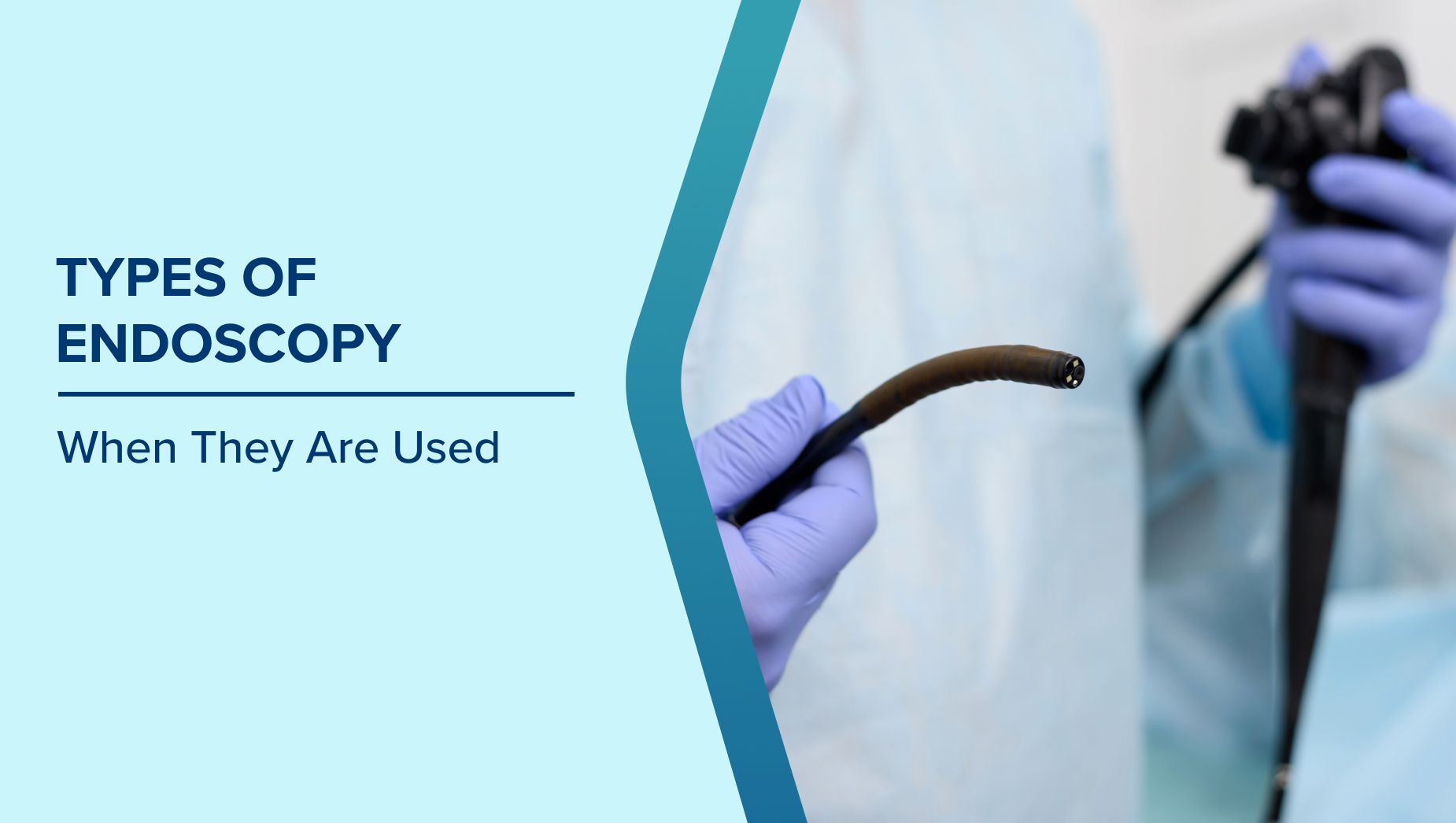
Endoscopy is a medical approach in which a slender, flexible tube equipped with a light and a camera is used to view the inside of the body. Unlike conventional surgery, it does not involve large cuts. In most cases, the tube is guided through natural openings, including the mouth, nose, or rectum.
Certain procedures may require a small incision to insert the device. The real-time images obtained during an endoscopy help doctors identify irregularities, take tissue samples, and, when necessary, perform minor treatments.
Major Types of Endoscopy
Upper GI Endoscopy
Also called oesophagogastroduodenoscopy, this procedure examines the oesophagus, stomach, and upper part of the small intestine. It is commonly used to investigate persistent heartburn, ulcers, unexplained nausea, or difficulty swallowing. Upper endoscopy also helps in detecting gastrointestinal bleeding, early signs of cancer, and monitoring conditions like coeliac disease.
Colonoscopy
A colonoscopy test involves examining the colon and rectum. It is a critical diagnostic tool for identifying causes of abdominal pain, chronic diarrhoea, and rectal bleeding. Colonoscopy is also central in bowel cancer screening, enabling doctors to detect and remove polyps before they turn cancerous. Patients aged 45 and above are often recommended for this test as a preventive measure.
Bronchoscopy
The bronchoscopy procedure allows doctors to view the airways and lungs. It is often advised for patients with a persistent cough, unexplained shortness of breath, or abnormal chest X-rays. Doctors can also use bronchoscopy to remove blockages, collect tissue samples, and diagnose infections or lung diseases such as tuberculosis or chronic obstructive pulmonary disease (COPD).
Capsule Endoscopy
In this type of diagnostic endoscopy, patients swallow a capsule containing a miniature camera. As it travels through the digestive tract, it captures thousands of images, which are then transmitted to a recorder. Capsule endoscopy is particularly useful for detecting small intestinal bleeding, Crohn’s disease, and tumours that are difficult to locate with traditional procedures. It is painless and does not require sedation.
Endoscopic Ultrasound
This advanced form of gastrointestinal endoscopy combines endoscopy with ultrasound to produce detailed images of the digestive tract and nearby organs. Endoscopic ultrasound is particularly helpful in diagnosing pancreatic diseases, staging cancers, and assessing bile duct conditions. It can also guide doctors in performing targeted biopsies.
When Is Endoscopy Needed?
The question of when endoscopy is needed often arises among patients experiencing unexplained symptoms. Endoscopy may be recommended if you have:
- Persistent abdominal pain or indigestion.
- Difficulty swallowing or ongoing nausea.
- Unexplained weight loss or loss of appetite.
- Chronic cough or blood in sputum.
- Rectal bleeding, black stools, or altered bowel habits.
- Abnormal imaging results require further investigation.
Doctors also use endoscopy as part of preventive health care, particularly in cancer screening and monitoring high-risk individuals.
Advantages of Endoscopy Over Traditional Methods
Endoscopy offers several advantages compared to older diagnostic methods:
- Minimally invasive: Reduces the need for open surgery.
- Quick recovery: Most procedures are day-care based.
- High accuracy: Direct visualisation ensures precise diagnosis.
- Combined diagnosis and treatment: Doctors can remove polyps, stop bleeding, or retrieve foreign objects during the same procedure.
These benefits make endoscopy an essential part of modern diagnostic medicine.
Risks and Safety Measures
Like any medical procedure, endoscopy carries some risks, though they are generally rare. Possible complications include bleeding, infection, or reaction to sedation. Perforation of an organ is extremely uncommon but remains a recognised risk.
To minimise these concerns, endoscopy is performed by trained specialists under strict safety protocols. Patients are monitored during and after the procedure to ensure prompt management of any adverse effects.
Conclusion
Endoscopy has become a cornerstone of modern healthcare by enabling early diagnosis and timely treatment of a wide range of conditions. Whether it is a colonoscopy test for cancer screening, a bronchoscopy procedure for lung health, or a capsule endoscopy for detecting hidden bleeding, each type plays a unique role. Recognising when to see a specialist and not ignoring persistent symptoms can make all the difference in achieving better health outcomes. If you experience ongoing digestive or respiratory issues, consult a specialist to understand if undergoing an endoscopy is suitable for your condition.
Frequently Asked Questions
Can endoscopy detect early cancer?
Yes, various forms of diagnostic endoscopy can detect precancerous changes and early-stage cancers, enabling treatment to commence before the disease progresses.
How should patients prepare for an endoscopy?
Preparation depends on the type of endoscopy. For example, colonoscopy requires bowel cleansing, while upper GI endoscopy usually requires fasting. Your doctor will provide detailed instructions.
What is the recovery time after an endoscopy?
Most patients recover within a few hours, especially if sedation is used. Some may experience mild throat discomfort, bloating, or drowsiness, but these usually resolve quickly.
Is endoscopy safe for children?
Yes, paediatric endoscopy is safe and widely used. The procedure is performed with smaller instruments, and special care is taken to ensure children are comfortable.
How often should you have a colonoscopy test?
The frequency depends on age, risk factors, and family history. For average-risk individuals, doctors may recommend a colonoscopy every 5-10 years starting at age 45, but this can vary.
Written and Verified by:

Related Blogs

Dr. Nivedita Pandey In Gastroenterology, Hepatology & Endoscopy , Liver Transplant and Biliary Sciences
Nov 07 , 2020 | 2 min read
Dr. Nivedita Pandey In Gastroenterology, Hepatology & Endoscopy , Liver Transplant and Biliary Sciences
Nov 07 , 2020 | 2 min read
Most read Blogs


Related Blogs
Dr. Nivedita Pandey In Gastroenterology, Hepatology & Endoscopy , Liver Transplant and Biliary Sciences
Nov 07 , 2020 | 2 min read
Dr. Nivedita Pandey In Gastroenterology, Hepatology & Endoscopy , Liver Transplant and Biliary Sciences
Nov 07 , 2020 | 2 min read
Most read Blogs