 WhatsApp Us (24/7)
 +91 926 888 0303 (24/7)


To Book an Appointment
Call Us+91 926 888 0303What is Trigeminal Neuralgia: Causes, Symptoms & Risks
By Dr Sandeep Iratwar in Neurosurgery , Neurosciences
Apr 30 , 2026

A sudden, sharp pain in the face can be alarming. For some people, it feels like an electric shock that appears without warning and disappears just as quickly. This is often how trigeminal neuralgia begins.
Many people mistake it for a dental problem or sinus issue in the early stages. However, trigeminal neuralgia is a nerve-related condition that can significantly affect daily life if not recognised and managed properly.
What is Trigeminal Neuralgia
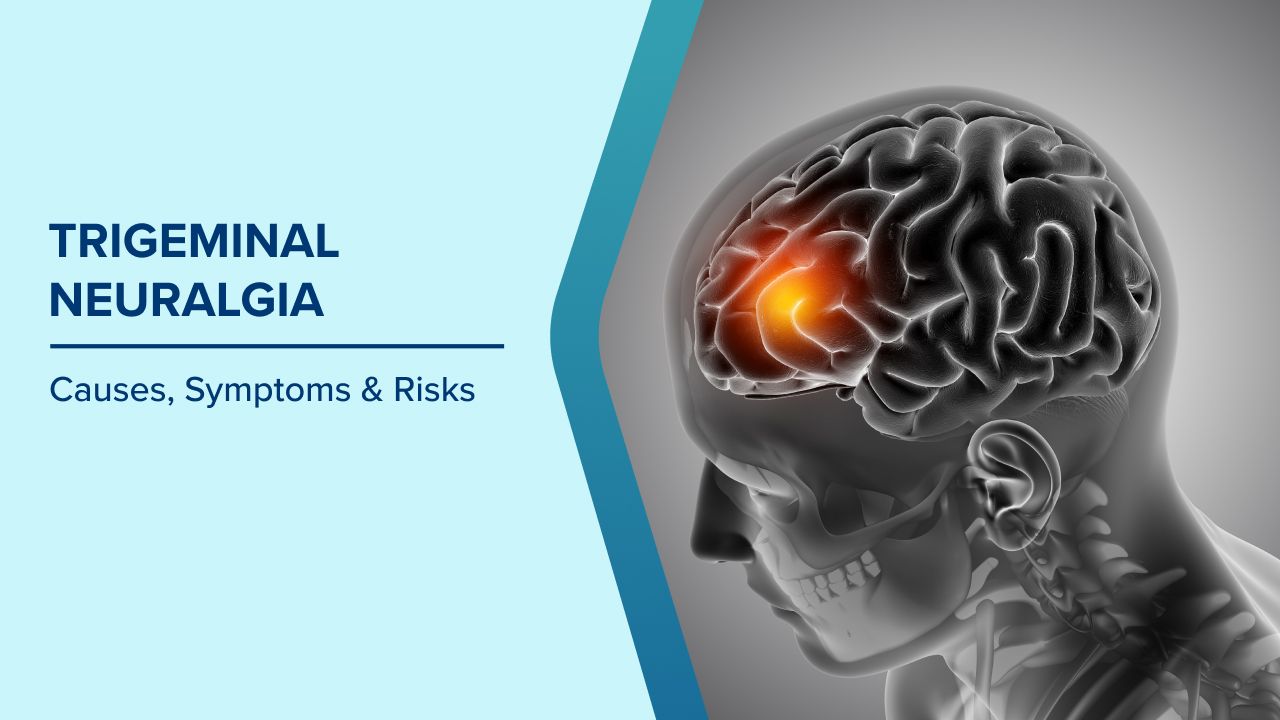
Trigeminal neuralgia is a condition affecting the trigeminal nerve, which carries sensation from the face to the brain. When this nerve becomes irritated or compressed, it can send intense pain signals even with mild stimulation.
The pain usually affects one side of the face and may involve areas such as the cheek, jaw, lips, or around the eyes.
It is considered one of the most painful nerve conditions, yet it is often manageable with the right approach.
Common Symptoms of Trigeminal Neuralgia
The symptoms are usually very specific, although they may vary from person to person.
Key Signs to Watch For
- Sudden, severe facial pain that feels like a shock or stabbing sensation
- Pain triggered by simple actions such as brushing teeth or talking
- Short episodes that last from a few seconds to a couple of minutes
- Repeated attacks over a period of time
- Pain was focused on one side of the face
- Increased sensitivity in certain areas of the face
Some people may also experience a dull ache between sharp attacks, especially as the condition progresses.
Read More:- Postherpetic Neuralgia (PHN)
What Causes Trigeminal Neuralgia
In many cases, the exact cause is linked to pressure on the trigeminal nerve.
Possible Causes Include
- A blood vessel pressing against the nerve
- Age-related changes in nerve structure
- Nerve damage due to other conditions
- Multiple sclerosis in some cases
- Rarely, a tumour affecting the nerve
Even though the cause may vary, the result is the same. The nerve sends exaggerated pain signals to the brain.
Risk Factors You Should Be Aware Of
Certain factors may increase the likelihood of developing trigeminal neuralgia.
- Age above 50 years
- Female gender
- History of nerve-related conditions
- Family history in some cases
However, it can still occur in younger individuals, especially if there is an underlying condition.
How Trigeminal Neuralgia Affects Daily Life
This condition is not just about pain. It can change the way a person lives and interacts with everyday activities.
Many people begin to avoid simple actions such as:
- Eating or chewing on one side
- Speaking for long periods
- Washing the face
- Going out in cold weather
The unpredictability of pain episodes can also lead to stress and anxiety. Over time, this can impact confidence and overall quality of life.
Read More:- Neuralgias: What You Need to Know
Treatment Options for Trigeminal Neuralgia
The good news is that there are several treatment options available. The choice depends on the severity of symptoms and how the condition responds over time.
Medication-Based Treatment
Medicines are usually the first step in managing trigeminal neuralgia.
These may help by calming the nerves and reducing pain signals. Regular monitoring is important to ensure the treatment remains effective and well-tolerated.
Non-Surgical Treatment Approaches
Some patients benefit from non-invasive methods, especially in the early stages.
These may include:
- Lifestyle adjustments to avoid triggers
- Stress management techniques
- Supportive therapies as advised by a doctor
While these approaches may not eliminate the condition, they can help reduce the frequency of attacks.
Minimally Invasive Procedures
When medications do not provide enough relief, doctors may suggest targeted procedures.
These treatments focus on reducing nerve irritation without major surgery. They are often done with precision and involve shorter recovery times.
Advanced Treatment Options
In more severe or persistent cases, advanced treatments may be considered.
These are designed to:
- Relieve pressure on the nerve
- Block pain signals effectively
- Provide longer-lasting relief
The decision to proceed with such treatments is made after careful evaluation of the patient’s condition.
Read More:- Know the Different Types of Headache and their Treatment
When Should You See a Doctor
It is important not to ignore facial pain, especially if it keeps returning.
You should seek medical advice if:
- Pain is sudden and intense
- Episodes are becoming more frequent
- Usual pain relief methods are not working
- Daily activities are being affected
Early diagnosis can help prevent the condition from worsening and improve treatment outcomes.
Living With Trigeminal Neuralgia
Managing trigeminal neuralgia often involves a combination of medical care and personal adjustments.
Practical Tips for Daily Comfort
- Identify and avoid known triggers
- Maintain good oral hygiene with gentle techniques
- Eat soft foods during painful phases
- Keep the face warm in cold weather
- Follow treatment plans consistently
Support from family and healthcare professionals also plays an important role in coping with the condition.
Why Early Attention Matters
Trigeminal neuralgia may start with mild episodes, but it can become more intense over time if left untreated.
Getting timely care can:
- Reduce the severity of pain
- Improve response to treatment
- Prevent complications
- Enhance overall quality of life
Listening to your body and acting early can make a real difference.
Conclusion
Trigeminal neuralgia is a challenging condition, but it is not without solutions. Recognising the symptoms and seeking the right treatment at the right time can help manage the pain effectively.
With a combination of medical care and lifestyle adjustments, many people are able to regain control over their daily lives. If facial pain is affecting your routine, it is worth exploring the available options and finding an approach that works for you.
FAQs
1. Can trigeminal neuralgia affect both sides of the face
It is uncommon, but in rare cases, both sides of the face may be affected, either simultaneously or at different times.
2. Is trigeminal neuralgia a permanent condition
The condition can be long-term, but symptoms may come and go. Some people experience periods of relief between episodes.
3. Can weather changes trigger trigeminal neuralgia pain
Yes, exposure to cold air or sudden temperature changes may trigger pain in some individuals.
4. Does trigeminal neuralgia impact sleep
Pain episodes can sometimes disturb sleep, especially if they occur at night or are triggered by movement.
5. Can stress make trigeminal neuralgia worse
Stress does not directly cause the condition, but it may increase the frequency or intensity of pain episodes in some people.
Written and Verified by:

Related Blogs

Dr. Sanjeev Kumar Gupta In Neurosurgery , Neurosciences
Jun 30 , 2016 | 2 min read

Dr. Sonal Gupta In Neurosurgery , Neurosciences
Jul 20 , 2016 | 2 min read
Blogs by Doctor
Most read Blogs


Related Blogs
Dr. Sanjeev Kumar Gupta In Neurosurgery , Neurosciences
Jun 30 , 2016 | 2 min read
Dr. Sonal Gupta In Neurosurgery , Neurosciences
Jul 20 , 2016 | 2 min read
Blogs by Doctor
Most read Blogs