 WhatsApp Us (24/7)
 +91 926 888 0303 (24/7)


To Book an Appointment
Call Us+91 926 888 0303Travelling with Arthritis: Smart Tips for a Pain-Free Journey
By Dr. Dhanita Khanna in Rheumatology
Nov 11 , 2025 | 5 min read

Travelling opens up a world of experiences, from exploring new cities to enjoying peaceful countryside escapes. But for people living with arthritis, even a short trip can feel challenging. Joint stiffness, fatigue, and discomfort often make travel planning more complicated.
The good news is that with the right preparation, travelling with arthritis can be smooth, comfortable, and enjoyable. Whether it’s a family vacation, a business trip, or a weekend getaway, a little planning goes a long way in ensuring you stay active and pain-free during your journey.
Understanding Travel Challenges with Arthritis
Arthritis affects millions of people worldwide and can affect everyday movements such as walking, climbing stairs, and sitting for long hours. When you travel, these issues can be magnified due to long flights, waiting in queues, or carrying luggage.
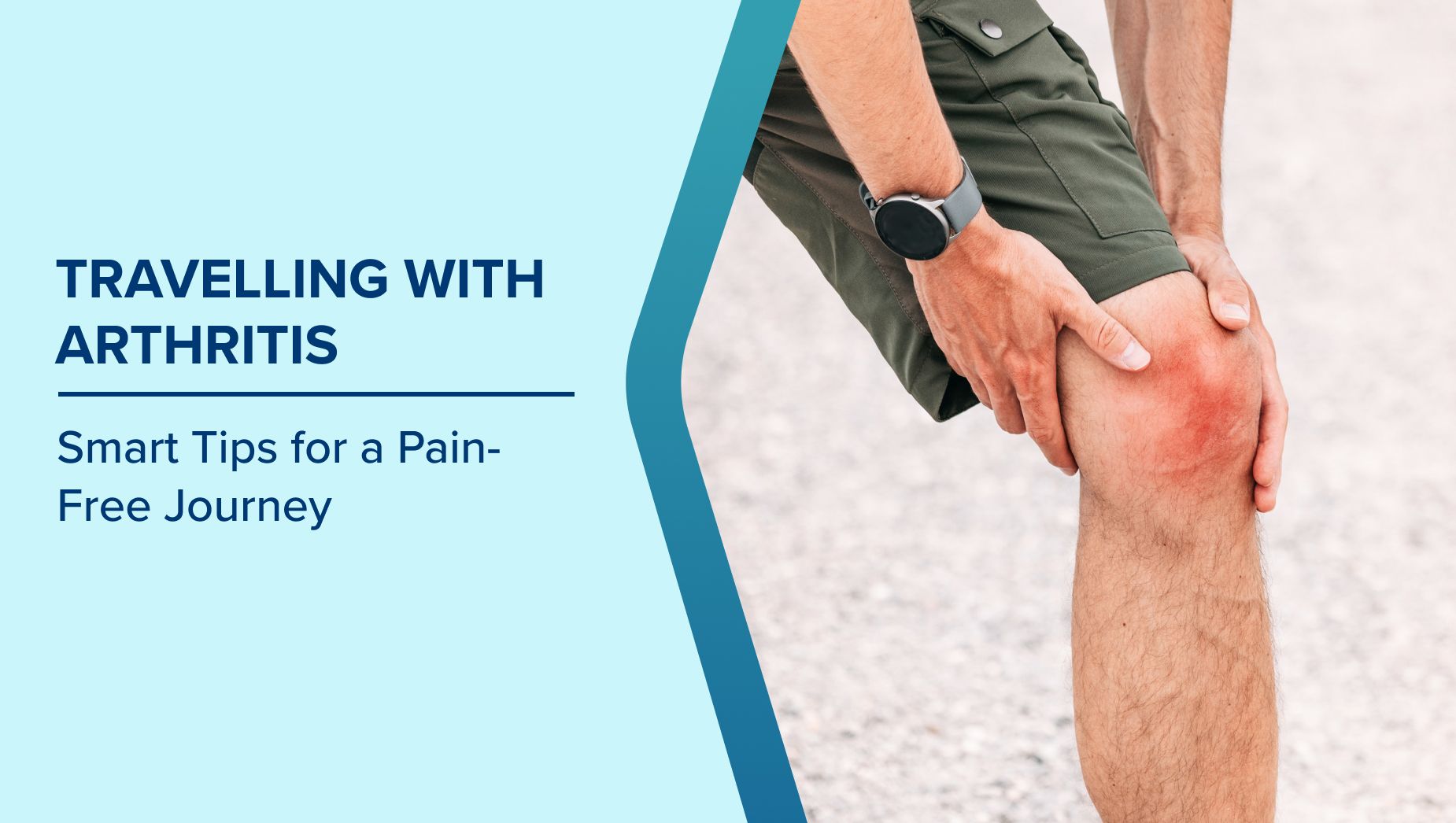
Two common forms of arthritis, osteoarthritis and rheumatoid arthritis, can both cause stiffness, pain, and reduced flexibility in joints. Prolonged sitting on flights or in cars may lead to swelling in the knees or ankles. Cold weather destinations may also increase joint discomfort, while unfamiliar environments can make mobility more difficult.
The key to travelling comfortably lies in recognising these triggers and preparing for them in advance.
Pre-Travel Planning for Arthritis Management
Proper planning is the foundation of a comfortable journey. A few simple steps before departure can prevent unnecessary strain and help you stay in control of your arthritis symptoms.
Consult Your Doctor
Before travelling, speak with your healthcare provider about your itinerary. Discuss your medication schedule, pain management strategies, and any adjustments you might need during travel. If you are flying long distances, ask about precautions for preventing swelling or stiffness.
Pack Smart and Light
Carry all prescribed medicines in their original packaging, along with a copy of your prescription. Include pain relief gels, heating pads, compression gloves, or braces that help support your joints. A small first-aid kit, comfortable shoes, and a travel pillow can also make a big difference.
Choose Arthritis-Friendly Destinations
Pick travel destinations with accessible facilities, smooth pathways, and comfortable climates. Avoid extremely cold or humid areas if your joints are sensitive to weather changes. Opt for hotels that offer lifts, ramps, or easy room access.
Comfort and Mobility During the Journey
Travel days can be long, and comfort becomes crucial when you have arthritis. Making small changes in how you move, sit, or stretch can help prevent stiffness and swelling.
Keep Moving
If you are travelling by air, train, or bus, try to stand, stretch, or walk every hour. Gentle ankle rolls and shoulder stretches can improve circulation and reduce stiffness. When driving, stop every two hours to stretch your legs.
Prioritise Posture
Choose seats that provide good back and leg support. Keep your knees slightly bent and avoid sitting in one position for too long. A lumbar cushion or neck pillow can offer extra support.
Stay Hydrated
Drinking enough water prevents dehydration, which can worsen joint discomfort. Alcohol needs to be avoided in certain arthritis types like gout as it may lead to a flare of joint pain and swelling.
Use Mobility Aids When Needed
There is no harm in using a walking stick, foldable cane, or joint brace if it helps with stability. Many airports and tourist destinations offer wheelchair services on request.
Managing Pain and Fatigue While Travelling
Arthritis pain and fatigue can flare up unexpectedly. Listening to your body and acting early helps maintain comfort throughout your journey.
Maintain Your Medication Routine
Time zone changes can disrupt medication schedules. Set reminders on your phone to ensure doses are taken consistently. If you need to refrigerate medicines, carry a small insulated pouch.
Take Breaks
Allow extra time in your itinerary for rest. Avoid rushing between attractions or long sightseeing days without adequate breaks. Short naps or quiet moments can help recharge your energy.
Practice Gentle Movements
Stretch your legs, roll your shoulders, and do light exercises each morning and evening. These simple habits help improve blood flow and prevent stiffness.
Use Heat or Cold Therapy
Warm compresses or portable heat patches can ease stiff joints. In warmer regions, a cold gel pack may soothe swelling or inflammation.
Weather, Climate, and Joint Health
Changes in temperature, humidity, or air pressure can influence arthritis pain. Knowing how to adapt helps you feel comfortable regardless of your destination.
- Cold weather: Wear layers, gloves, and thermal socks to keep joints warm.
- Hot climates: Stay hydrated and rest in shaded areas to avoid fatigue.
- Humid conditions: Choose breathable fabrics and carry moisture-wicking clothing.
Planning ahead for weather conditions reduces the chances of joint discomfort and fatigue during travel.
Staying Active and Enjoying the Trip
Travelling with arthritis doesn’t mean missing out on fun. With the right mindset, you can stay active and still care for your joints.
Balance Activity and Rest
Plan your day so that busy activities are followed by downtime. Listen to your body’s signals and don’t hesitate to rest when needed.
Choose Joint-Friendly Activities
Gentle walking tours, swimming, yoga, or light stretching are excellent ways to stay mobile. Avoid high-impact or strenuous activities that could stress the joints.
Stay Positive and Flexible
Travel can sometimes be unpredictable, but keeping a calm attitude helps. If one plan doesn’t work out, find alternatives that let you enjoy the experience comfortably.
Returning Home: Recovery and Reflection
After your trip, give your body time to recover. Unpack gradually, soak in a warm bath, and gently stretch to relieve any stiffness from travel. Prioritise hydration, rest, and nutritious meals to help your joints recover.
Reflecting on your journey also helps identify what worked best for your arthritis management. This makes future travel easier and even more enjoyable.
Conclusion
Arthritis may make travel seem challenging, but it doesn’t have to limit your adventures. With good planning, flexibility, and self-care, travelling can be both comfortable and fulfilling. Always consult your doctor before long trips, pack wisely, and take breaks when needed.
A thoughtful approach ensures that you not only manage your arthritis effectively but also create lasting memories wherever you go.
Frequently Asked Questions
Can travelling make arthritis worse?
Travel itself doesn’t worsen arthritis, but long periods of sitting or overexertion can trigger pain or stiffness. Taking breaks and stretching helps prevent flare-ups.
Should I change my medication routine while travelling?
Only adjust medication timing if you’re crossing time zones. Use alarms or reminders to keep doses on schedule.
What kind of footwear is best for arthritis during travel?
Choose soft, cushioned shoes with good arch support. Avoid heels or narrow footwear that may increase joint strain.
How can I manage airport security with joint replacements or braces?
Inform security staff before screening. Carry a doctor’s note if needed, and request a manual check if metal implants trigger alarms.
What are some quick ways to relieve stiffness while on the move?
Gentle stretches, short walks, and warm compresses can quickly ease stiffness during travel.
Can weather changes during travel affect arthritis pain?
Yes, temperature and humidity can influence joint comfort. Dress appropriately and plan your activities according to the weather.
Written and Verified by:

Related Blogs

Dr. Vishal Kaura Aggarwal In Rheumatology
Mar 15 , 2018 | 1 min read

Dr. Swetal Chouhan In Rheumatology
Aug 28 , 2023 | 2 min read
Most read Blogs


Related Blogs
Dr. Vishal Kaura Aggarwal In Rheumatology
Mar 15 , 2018 | 1 min read
Dr. Swetal Chouhan In Rheumatology
Aug 28 , 2023 | 2 min read
Most read Blogs