 WhatsApp Us (24/7)
 +91 926 888 0303 (24/7)


To Book an Appointment
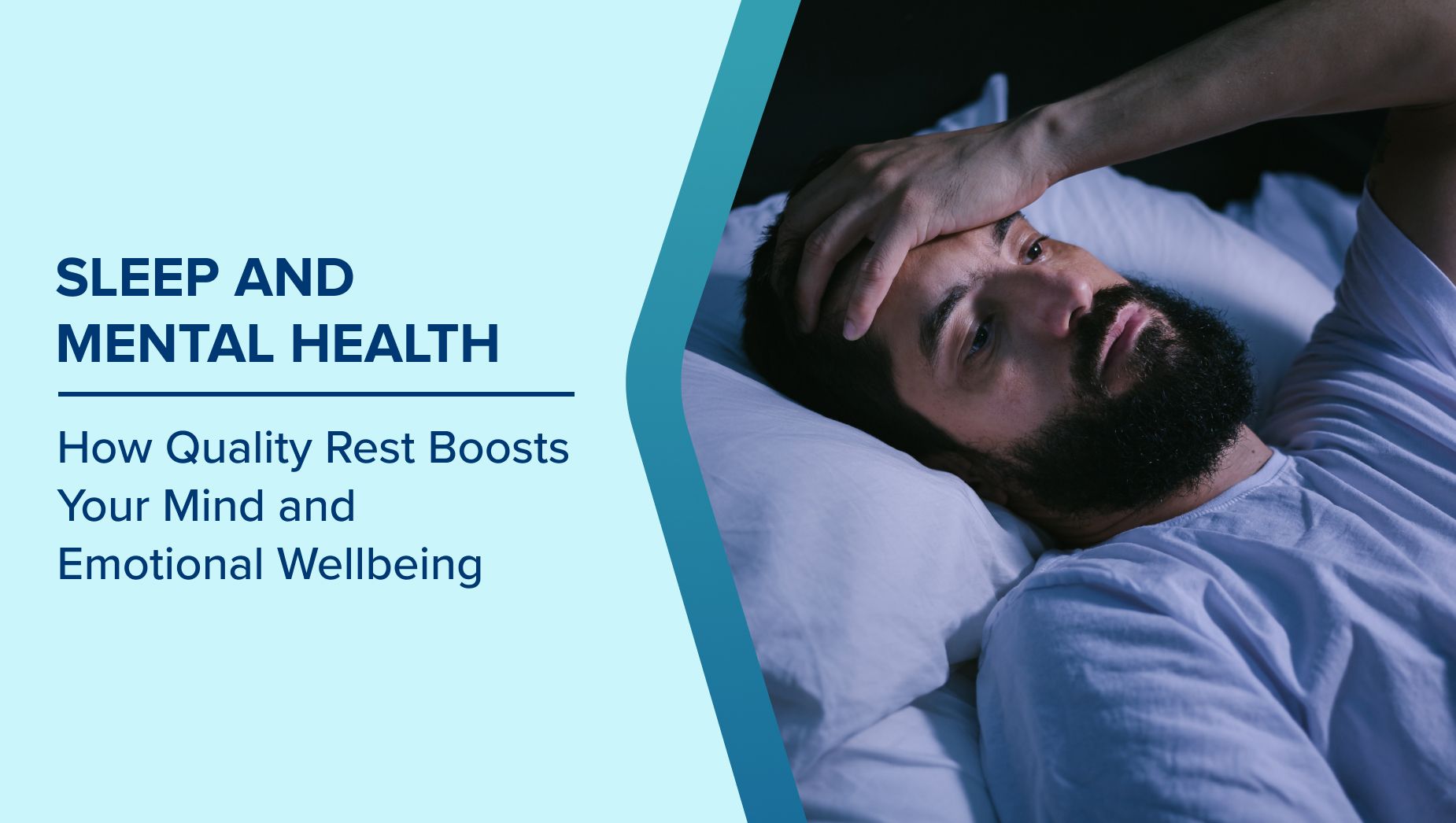
Call Us+91 926 888 0303Sleep and Mental Health: How Quality Rest Boosts Your Mind and Emotional Wellbeing
By Ms. Manmohan Kaur Tedwal in Clinical Psychology
Oct 22 , 2025 | 3 min read
1

Sleep is more than just rest for the body; it is essential for maintaining a healthy mind. In today’s fast-paced world, poor sleep has become a common problem, affecting emotional well-being, cognitive function, and overall mental health. Consistent, high-quality sleep supports brain function, helps regulate mood, and strengthens resilience against stress and anxiety.
Understanding the connection between sleep and mental health can help make simple lifestyle changes that boost both your emotional well-being and cognitive performance.
The Link Between Sleep and Mental Health
Sleep and mental health share a bidirectional relationship. Inadequate sleep can negatively impact mental well-being, while mental health challenges can disrupt sleep patterns. Some key connections include:
Sleep and Anxiety
- Insufficient sleep increases the brain’s stress response.
- People with poor sleep often experience heightened worry, restlessness, and nervousness.
- Regular quality sleep can reduce anxiety levels and improve emotional regulation.
Sleep and Depression
- Sleep deprivation affects neurotransmitters such as serotonin and dopamine, which play a significant role in regulating mood.
- Chronic poor sleep can increase the risk of depression.
- Proper sleep enhances mood stability and reduces emotional vulnerability.
Sleep and Stress
- Lack of sleep triggers higher cortisol levels, the body’s stress hormone.
- Sleep deprivation and stress feed into a cycle where stress makes it harder to sleep, and poor sleep increases stress.
- Getting sufficient sleep enables the body to handle stress in a healthier way.
Sleep and Cognitive Function
- Sleep consolidates memory and supports learning.
- Poor sleep affects attention, decision-making, and problem-solving skills.
- Adequate rest improves focus, creativity, and mental clarity.
Consequences of Sleep Deprivation on the Mind
When sleep is consistently insufficient or disrupted, several mental health issues can arise:
- Mood swings and irritability
- Reduced coping abilities under stress
- Difficulty concentrating or making decisions
- Increased risk of anxiety and depressive symptoms
- Impaired memory and cognitive performance
Benefits of Quality Sleep for Mental Health
Quality sleep positively affects the mind in several ways:
- Emotional regulation: Restorative sleep balances hormones and reduces mood disturbances.
- Reduced anxiety and depression risk: Regular sleep supports neurotransmitter balance.
- Enhanced cognitive function: Memory consolidation and problem-solving improve.
- Stress resilience: Sleep helps lower cortisol levels, aiding the body in recovering from daily stress.
- Overall well-being: Quality rest supports energy, focus, and emotional stability.
Practical Tips to Improve Sleep Quality
Improving sleep doesn’t require major lifestyle changes. Simple habits can have a significant impact:
Establish a Consistent Sleep Schedule
- Maintain a consistent sleep schedule by going to bed and waking up at the same time every day, including weekends.
Create a Relaxing Sleep Environment
- Keep your bedroom dark, cool, and quiet.
- Use comfortable bedding and reduce electronic distractions.
Limit Stimulants and Heavy Meals
- Avoid caffeine and nicotine close to bedtime.
- Refrain from heavy or spicy meals late at night.
Incorporate Relaxation Techniques
- Practice deep breathing, meditation, or gentle stretching before bed.
- Consider journaling to ease mental clutter.
Limit Screen Time
- Give yourself a screen-free hour before going to sleep.
- Exposure to blue light from screens may interfere with your body’s natural sleep cycle.
Physical Activity
- Engaging in consistent physical activity promotes better sleep and helps manage stress levels.
- Avoid vigorous workouts immediately before bedtime.
Mindful Napping
- Short naps (20–30 minutes) can enhance alertness without disrupting nighttime sleep.
Sleep and Emotional Wellbeing
Quality sleep plays an important role in regulating emotions:
- Helps manage irritability and reduces negative mood swings
- Enhances empathy and social interactions
- Supports emotional resilience in stressful situations
- Improves patience, optimism, and overall satisfaction with life
By prioritising rest, individuals can experience improved emotional balance and stability.
Conclusion
Prioritising sleep is an essential step for maintaining mental health. Simple adjustments to your routine, mindfulness practices, and consistent sleep patterns can make a difference. If sleep issues persist, consult a healthcare professional to explore personalised solutions.
Taking care of your sleep today can improve your mood, cognitive function, and emotional well-being tomorrow.
Frequently Asked Questions
Can poor sleep trigger mental health disorders?
Yes, chronic sleep deprivation increases the risk of anxiety, depression, and mood disorders. Maintaining regular sleep can reduce this risk.
How does sleep affect emotional regulation?
Quality sleep stabilises hormones and brain activity, allowing better control over emotions and reducing mood swings.
Can napping improve mental health?
Short naps can boost alertness, focus, and mood. Limit naps to 20–30 minutes to prevent them from interfering with nighttime sleep.
Does sleep quality affect decision-making?
Yes, poor sleep impairs judgment, focus, and problem-solving skills, which can negatively impact decision-making and daily performance.
Are there natural supplements to improve sleep and mental wellness?
Supplements such as melatonin, magnesium, or herbal teas like chamomile may aid sleep, but always consult a healthcare professional before use.
Written and Verified by:

Related Blogs

Dr. Ashima Srivastava In Mental Health And Behavioural Sciences , Clinical Psychology
Feb 13 , 2017 | 3 min read

Dr. Ashima Srivastava In Mental Health And Behavioural Sciences , Clinical Psychology
Nov 08 , 2020 | 4 min read
Blogs by Doctor

What is FOMO (Fear of Missing Out): Signs, and Effective Management
Ms. Manmohan Kaur Tedwal In Clinical Psychology
Oct 29 , 2024 | 4 min read

Obesity and Mental Health: Impact, Risks and Solutions
Ms. Manmohan Kaur Tedwal In Clinical Psychology
Apr 02 , 2025 | 5 min read
Most read Blogs


Related Blogs
Dr. Ashima Srivastava In Mental Health And Behavioural Sciences , Clinical Psychology
Feb 13 , 2017 | 3 min read
Dr. Ashima Srivastava In Mental Health And Behavioural Sciences , Clinical Psychology
Nov 08 , 2020 | 4 min read
Blogs by Doctor
What is FOMO (Fear of Missing Out): Signs, and Effective Management
Ms. Manmohan Kaur Tedwal In Clinical Psychology
Oct 29 , 2024 | 4 min read
Obesity and Mental Health: Impact, Risks and Solutions
Ms. Manmohan Kaur Tedwal In Clinical Psychology
Apr 02 , 2025 | 5 min read
Most read Blogs