 WhatsApp Us (24/7)
 +91 926 888 0303 (24/7)


To Book an Appointment
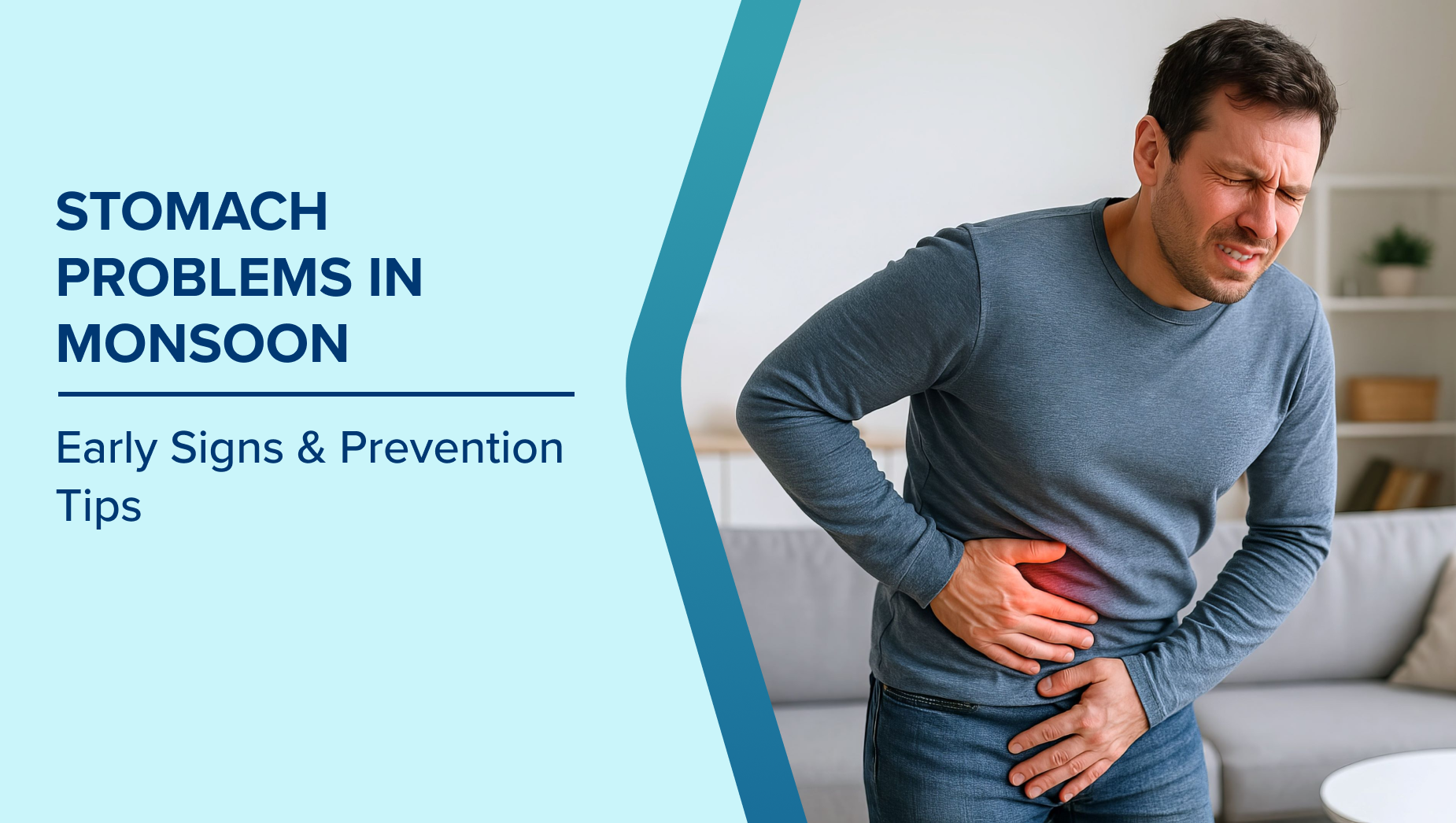
Call Us+91 926 888 0303Stomach Problems in Monsoon: Early Signs & Prevention Tips
By Dr. Piyush Gupta in Gastroenterology, Hepatology & Endoscopy
Jan 05 , 2026 | 5 min read

As soon as the monsoon arrives, everything feels refreshed. The refreshing breeze, the greenery, and many of us find comfort in hot snacks with steaming cups of tea and coffee. But while the season offers relief from the heat, it also opens the door to a less welcome guest: stomach infections.
During the rainy season, water contamination, poor food hygiene, and increased bacterial growth become common, leading to a surge in gastrointestinal illnesses. What may begin as a mild stomach ache or uneasiness can quickly develop into something more serious if not addressed on time.
Why Are Stomach Infections So Common in the Rainy Season?
The monsoon brings a unique set of environmental changes that impact public health, particularly digestive health. Here are some of the primary reasons:
Contaminated Water Supply
Heavy rains often lead to overflowing drains and waterlogging, which causes dirty water to mix with clean sources. Drinking or using such water without adequate filtration can introduce harmful bacteria, viruses, and parasites into your system.
Street Food Temptations
Rainy days and spicy street food are a match made in heaven. However, vendors often lack access to clean water and hygienic food preparation conditions, making your favorite snack a potential health hazard.
Humidity and Microbial Growth
Warm and humid environments are perfect for bacterial growth. From your kitchen sponge to utensils to leftover food, microbes multiply faster in this weather, increasing the chance of foodborne illness.
Poor Hand Hygiene
Washing hands while traveling becomes more challenging during rain. Wet hands, public surfaces, and dirty surroundings create an environment for germ transmission, especially among children and office workers.
Early Signs You Shouldn’t Ignore
Stomach infections can show up in different ways, and catching the early signs helps prevent severe dehydration or complications. Here's what to watch out for:
Nausea and Vomiting
That sudden feeling of queasiness or an upset stomach is often the first red flag. If you start vomiting, it’s your body’s way of flushing out harmful toxins or irritants.
Abdominal Pain or Cramps
Persistent cramps or pain in the lower abdomen, especially after eating, could indicate an infection. Don’t brush it off as indigestion.
Diarrhea or Loose Stools
Frequent, watery bowel movements can lead to rapid dehydration. If diarrhea lasts for more than two days, it’s time to seek medical help.
Low-Grade Fever
A mild fever often accompanies infections. When paired with digestive symptoms, it can be a clear signal of your immune system fighting back.
Weakness and Fatigue
If you feel unusually tired or weak, especially after experiencing vomiting or diarrhea, it’s likely due to the loss of fluids and nutrients.
Loss of Appetite
Not feeling hungry, especially when it continues for more than a day or two, may indicate an underlying stomach issue.
These symptoms may seem mild at first, but in rainy weather, they can worsen quickly if ignored.
When Should You See a Doctor?
It’s tempting to ride it out with home remedies or assume it’s just something you ate. But certain symptoms are your body’s way of saying, “I need help.” Consult a doctor immediately if you experience:
- High fever (above 101°F)
- Severe dehydration – dry lips, low urine output, dizziness
- Blood in vomit or stool
- Diarrhea lasting longer than 48 hours
- Severe abdominal pain
Early medical intervention can prevent complications like acute gastroenteritis, typhoid, hepatitis A, or dysentery, all of which spike during the monsoon.
Practical Tips to Prevent Stomach Infections in the Rainy Season
You don’t have to dread the rains. A few simple precautions can go a long way in keeping your digestive system healthy and functioning properly.
Drink Only Purified or Boiled Water
- Avoid tap water or water from roadside eateries.
- Always carry your own bottle of filtered water.
- Install a reliable water purifier at home and get it serviced regularly.
Say No to Raw Street Food
- Avoid eating uncooked or partially cooked food from roadside stalls.
- Opt for freshly cooked, hot meals.
Wash Hands Frequently
- Use soap and water before eating or preparing food.
- Keep an alcohol-based sanitizer handy when you’re on the go.
Clean Your Kitchen Tools
- Disinfect cutting boards, knives, and surfaces.
- Don’t let cooked food sit out for too long in humid weather.
Eat Light and Healthy
- Go for easy-to-digest meals like soup or steamed vegetables.
- Limit oily, spicy, and fried foods that burden your stomach.
Strengthen Your Gut Immunity
- Include probiotics like curd or buttermilk in your meals.
- Stay hydrated with fluids like coconut water, lemon water, and ORS.
- Add immunity-boosting herbs like ginger, turmeric, and tulsi to your diet.
Tips for Children and the Elderly
Young children and older adults are especially vulnerable to stomach infections due to weaker immune systems. Take extra care:
- Ensure their food is freshly prepared and water is filtered or boiled.
- Monitor their fluid intake to prevent dehydration.
- Give probiotics to strengthen their digestive system with good bacteria.
- Avoid leafy vegetables.
Conclusion
Monsoon is a beautiful season, but it also brings certain health challenges that need your attention: Stomach infections being one of the most common and easily preventable. The key lies in awareness, early detection, and timely care.
By understanding the early signs and adopting a few healthy habits, you can enjoy the rainy days without worrying about digestive troubles. Trust your gut literally. If it feels off, don’t ignore it.
Frequently Asked Questions
Can stomach infections during monsoon be contagious?
Yes, certain stomach infections, especially those caused by viruses like norovirus or rotavirus, are highly contagious. They can spread through contaminated surfaces, utensils, and close contact with an infected person. Practicing hand hygiene and not sharing food or water can help reduce transmission.
Are antibiotics necessary for treating stomach infections?
Not always. Many stomach infections, especially viral ones, are self-limiting and don’t require antibiotics. Taking antibiotics unnecessarily can disturb gut flora and lead to antibiotic resistance. Only a doctor can determine if antibiotics are needed based on stool tests or severity of symptoms.
How long does a typical stomach infection last?
Most mild stomach infections last 1 to 3 days, while more serious ones can take up to a week or more, especially if left untreated. Recovery time also depends on the individual’s age, immunity, hydration, and whether the infection is bacterial, viral, or parasitic.
Is it safe to travel during monsoon if I have a sensitive stomach?
It’s possible, but caution is key. Carry your own bottled water, eat only freshly cooked food, avoid salads or cold items, and pack a basic travel health kit including oral rehydration salts (ORS), probiotics, and any prescribed medications. Avoid eating in roadside or poorly ventilated eateries.
What are the signs of food poisoning vs. a stomach infection?
While symptoms can overlap, food poisoning usually sets in quickly (within hours) after eating contaminated food and may involve more sudden and intense vomiting or diarrhea. Stomach infections, especially viral ones, may develop more gradually and be associated with body aches or fever. A doctor can help differentiate based on timing and clinical signs.
Can probiotics help prevent stomach infections during monsoon?
Yes, probiotics like curd, buttermilk, or supplement capsules support gut health by promoting beneficial bacteria. They can create a stronger gut barrier against harmful pathogens. While they don't guarantee prevention, regular intake during monsoon can reduce the frequency and severity of digestive upsets.
Written and Verified by:

Related Blogs

Dr. Nivedita Pandey In Gastroenterology, Hepatology & Endoscopy , Liver Transplant and Biliary Sciences
Nov 07 , 2020 | 2 min read

Dr. Nivedita Pandey In Gastroenterology, Hepatology & Endoscopy , Liver Transplant and Biliary Sciences
Nov 07 , 2020 | 2 min read
Blogs by Doctor

Understanding Hepatorenal Syndrome: A Severe Liver Complication
Dr. Piyush Gupta In Gastroenterology, Hepatology & Endoscopy
Dec 19 , 2023 | 7 min read

Acute Abdominal Pain: All You Need to Know
Dr. Piyush Gupta In Gastroenterology, Hepatology & Endoscopy
Apr 29 , 2024 | 10 min read
Most read Blogs


Related Blogs
Dr. Nivedita Pandey In Gastroenterology, Hepatology & Endoscopy , Liver Transplant and Biliary Sciences
Nov 07 , 2020 | 2 min read
Dr. Nivedita Pandey In Gastroenterology, Hepatology & Endoscopy , Liver Transplant and Biliary Sciences
Nov 07 , 2020 | 2 min read
Blogs by Doctor
Understanding Hepatorenal Syndrome: A Severe Liver Complication
Dr. Piyush Gupta In Gastroenterology, Hepatology & Endoscopy
Dec 19 , 2023 | 7 min read
Acute Abdominal Pain: All You Need to Know
Dr. Piyush Gupta In Gastroenterology, Hepatology & Endoscopy
Apr 29 , 2024 | 10 min read
Most read Blogs