 WhatsApp Us (24/7)
 +91 926 888 0303 (24/7)


To Book an Appointment
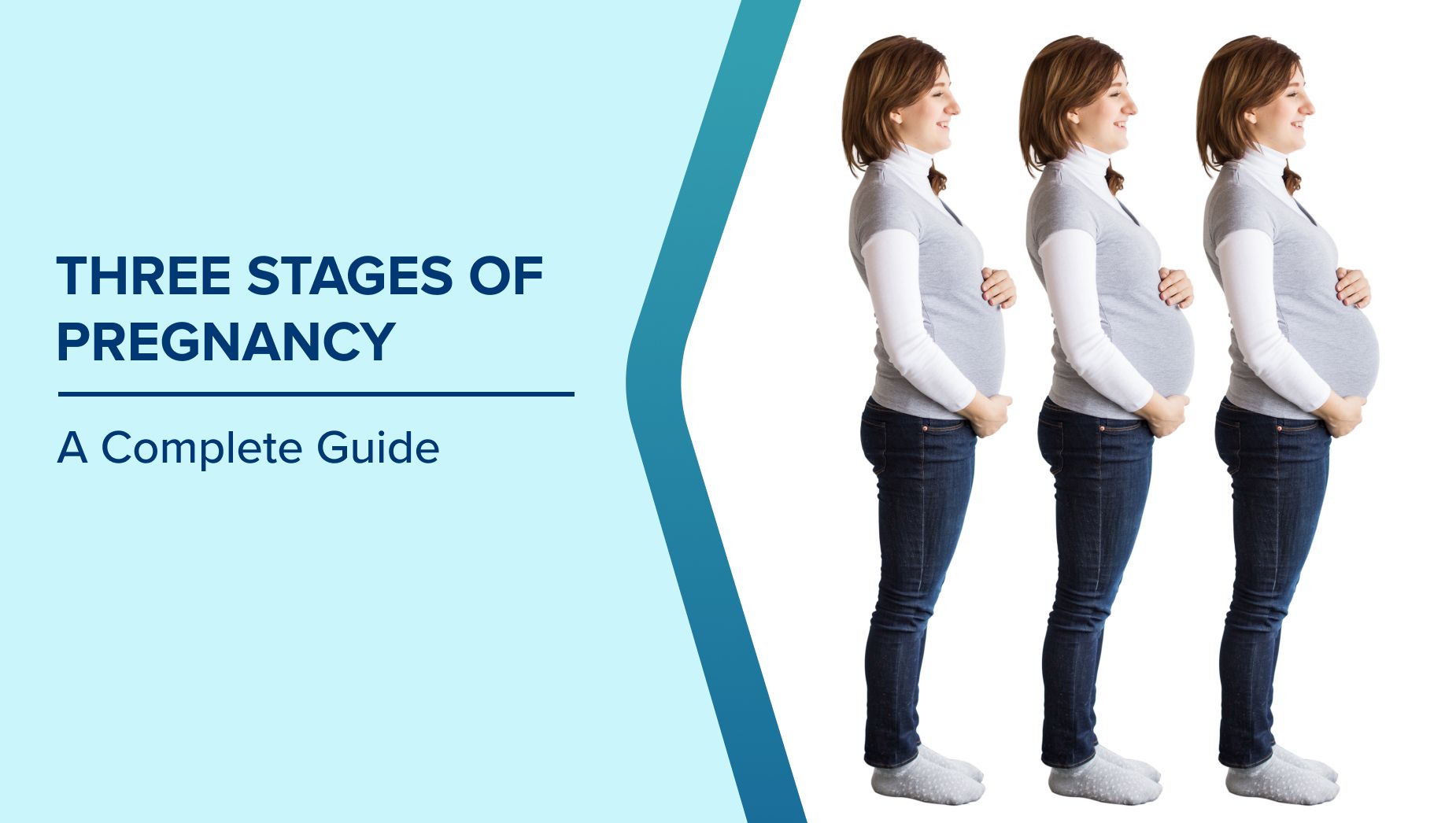
Call Us+91 926 888 0303Three Stages of Pregnancy: A Complete Guide
By Dr. Manju Wali in Obstetrics And Gynaecology
Dec 03 , 2025 | 4 min read

Discovering you're pregnant is the start of an extraordinary journey. The next nine months will be a time of profound physical and emotional changes, both for you and your baby. While it can feel overwhelming to think about everything that lies ahead, understanding the stages of pregnancy can make the journey feel more manageable and exciting.
Breaking it down into the three trimesters provides a clear roadmap of what to expect, week by week, as you navigate this incredible chapter of your life.
First Trimester: The Foundation (Weeks 1-13)
The first trimester is a period of rapid and critical development for your baby, while your body begins to adjust to its new state. Although your baby is still tiny, the most significant developmental milestones are happening right now.
What is the First Trimester?
The first trimester spans from the first day of your last menstrual period up to the end of week 13. During this time, the fertilised egg implants in the uterine wall, and the major organs and body systems, including the brain, heart, and spinal cord, begin to form.
This is a time of incredible transformation. You may not look pregnant yet, but you're likely feeling the very real symptoms of early pregnancy, such as fatigue, morning sickness, and breast tenderness. The hormonal changes are immense, and they are the primary cause of these early symptoms.
Key Developments and What to Expect
Baby's Development:
- Week 4: The neural tube, which will become the brain and spinal cord, is forming. The heart begins to beat.
- Week 8: The baby is now called a fetus. The arms, legs, fingers, and toes are forming.
- Week 12: All major organs are in place. The baby can now open and close their hands and make tiny movements.
Mom’s Changes:
- Fatigue: Extreme tiredness is normal as your body works to support the pregnancy.
- Nausea (Morning Sickness): It can happen at any time of day. Small, frequent meals and ginger can help.
- Breast Tenderness: Hormonal changes cause breasts to become sore and swollen.
- Food Cravings and Aversions: Your sense of taste and smell can change dramatically.
Second Trimester: The "Golden" Period (Weeks 14-27)
Many people find the second trimester to be the most enjoyable part of their pregnancy journey. The initial discomfort of morning sickness often subsides, and you may begin to feel more energised. It's during this time that you'll feel your baby's first movements.
What is the Second Trimester?
The second trimester is often referred to as the "golden period" because many of the early pregnancy complications subside. Your baby continues to grow quickly, and you will start to show a noticeable baby bump.
This is a time of steady growth and maturation. The baby's senses are developing, and their features become more defined. It's a great time to focus on pregnancy care and future planning.
Key Developments and What to Expect
Baby's Development:
- Week 16: The baby’s skeleton is hardening. They can hear your voice and other sounds.
- Week 20: The anatomy scan is usually performed to check development. This is also when you may feel the first flutters.
- Week 24: The baby’s lungs are developing, and they are gaining weight.
Mom’s Changes:
- Increased Energy: Many people feel a surge of energy.
- Baby Bump: Your abdomen will start to grow.
- Fetal Movement: You’ll start to feel movement, kicking, and squirming.
- Skin Changes: Some experience the “pregnancy glow” or linea nigra.
Third Trimester: The Final Stretch (Weeks 28-40+)
The third trimester is a period of anticipation and preparation for birth. Your baby will grow from a small fetus to a full-term infant.
What is the Third Trimester?
The third trimester lasts from week 28 until birth. Your body prepares for labour, and you may feel excitement mixed with discomfort as your due date approaches.
Key Developments and What to Expect
Baby's Development:
- Week 32: The baby's bones are fully developed and they practise breathing movements.
- Week 36: The baby drops lower into the pelvis (lightening).
- Week 39: Full-term; lungs are fully matured.
Mom’s Changes:
- Shortness of Breath: The uterus pushes against the diaphragm.
- Swelling: Hands, feet, and ankles may swell.
- Braxton Hicks Contractions: Irregular practice contractions.
- Pelvic Pressure: Increased pressure as the baby drops.
Read More: How to Plan Pregnancy: Tips for a Safe and Healthy Start
Conclusion
Understanding the stages of pregnancy can transform your experience from a series of unknowns into a predictable, beautiful progression. Each trimester brings unique changes and milestones. Embrace each stage and consult your healthcare provider whenever needed.
Frequently Asked Questions (FAQ)
1. What is the most common symptom in early pregnancy?
Fatigue is the most common, often along with morning sickness and breast tenderness.
2. How do I know if I'm having Braxton Hicks or real contractions?
Braxton Hicks are irregular and stop with movement. Real labour contractions are regular and get stronger.
3. When should I start my prenatal vitamins?
Ideally before pregnancy. Continue throughout all pregnancy stages.
4. What should my pregnancy diet look like?
A healthy pregnancy diet includes fruits, vegetables, lean protein, whole grains, and healthy fats. Avoid raw meats, unpasteurised dairy, and too much caffeine.
5. Is it safe to exercise during pregnancy?
Moderate exercise is generally safe. Consult your healthcare provider for a personalised plan.
Written and Verified by:

Related Blogs

Dr. Manju Khemani In Obstetrics And Gynaecology
Oct 27 , 2020 | 3 min read

Dr. Neera Aggarwal In Obstetrics And Gynaecology , Nutrition And Dietetics
Nov 07 , 2020 | 7 min read
Blogs by Doctor

Breastfeeding is a Healthy Start For Your Baby
Dr. Manju Wali In Obstetrics And Gynaecology
Nov 28 , 2016 | 2 min read
What is Molar Pregnancy: Symptoms, Causes & Risk Factors
Dr. Manju Wali In Obstetrics And Gynaecology
Nov 14 , 2025 | 4 min read
Most read Blogs

Related Blogs
Dr. Manju Khemani In Obstetrics And Gynaecology
Oct 27 , 2020 | 3 min read
Dr. Neera Aggarwal In Obstetrics And Gynaecology , Nutrition And Dietetics
Nov 07 , 2020 | 7 min read
Blogs by Doctor
Breastfeeding is a Healthy Start For Your Baby
Dr. Manju Wali In Obstetrics And Gynaecology
Nov 28 , 2016 | 2 min read
What is Molar Pregnancy: Symptoms, Causes & Risk Factors
Dr. Manju Wali In Obstetrics And Gynaecology
Nov 14 , 2025 | 4 min read
Most read Blogs