 WhatsApp Us (24/7)
 +91 926 888 0303 (24/7)


To Book an Appointment
Call Us+91 926 888 0303Stay Safe During Hot Weather: Common Summer Illnesses to Watch Out For
By Medical Expert Team
Jan 05 , 2026 | 9 min read

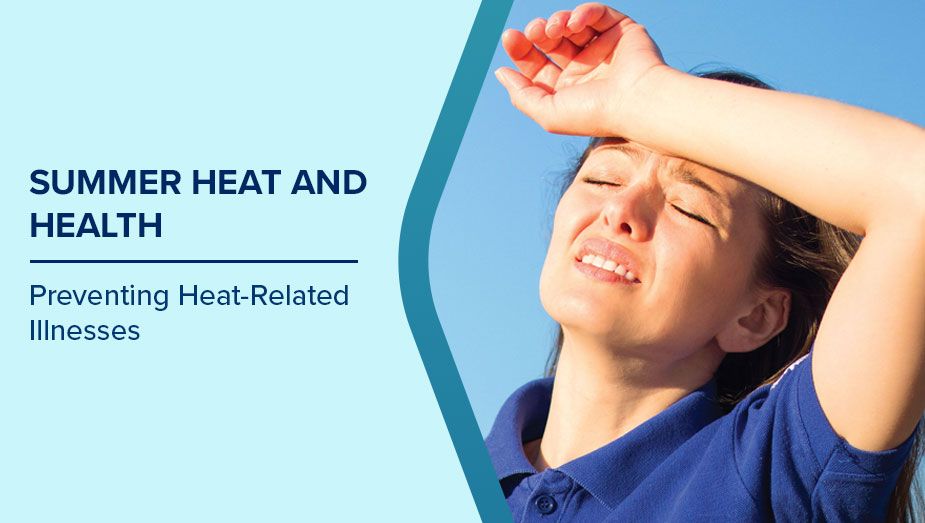
Summer is the perfect time for outdoor activities and gatherings, but the intense heat can also bring unexpected health problems. Hours in the sun can leave you feeling dizzy, exhausted, or even dangerously dehydrated. High temperatures and humidity also create the perfect environment for foodborne illnesses, skin infections and respiratory issues. That said, a few precautions can go a long way in keeping you safe this summer. Recognising early warning signs and taking preventive measures can help you enjoy summer without unnecessary health setbacks. Let’s take a closer look at some of the most common summer illnesses, their symptoms, and the best ways to protect yourself.
Common Summer Illnesses
1. Heat Exhaustion
Heat exhaustion is a heat-related illness that occurs when the body overheats due to excessive fluid and electrolyte loss. It happens when prolonged exposure to high temperatures prevents the body from cooling itself properly, leading to dehydration and an imbalance in essential minerals like sodium and potassium. Without prompt intervention, heat exhaustion can progress to heatstroke, a life-threatening condition where the body's cooling mechanisms fail entirely.
Symptoms
- Excessive sweating with cool, clammy skin: Unlike heatstroke, where sweating may stop, heat exhaustion is characterized by heavy perspiration as the body tries to cool itself down.
- Weakness and fatigue: A person experiencing heat exhaustion may feel extremely tired, sluggish, or unable to perform normal activities due to energy depletion
- Dizziness and lightheadedness: As dehydration progresses, reduced blood flow to the brain can cause feelings of unsteadiness or an impending sense of fainting.
- Nausea and vomiting: The body's response to overheating may include stomach discomfort, leading to a feeling of nausea or, in severe cases, vomiting.
- Muscle cramps: The loss of sodium and potassium through sweating can cause painful cramps, often affecting the legs, arms, or abdomen. These cramps may worsen with continued activity.
- Headache: A throbbing or persistent headache can develop due to dehydration and electrolyte imbalances, making it difficult to focus or function normally.
- Rapid heartbeat and shallow breathing: The heart may beat faster to compensate for the drop in blood volume caused by fluid loss. Shallow or rapid breathing may accompany this response as the body struggles to cool down.
- Fainting or near-fainting episodes: If blood pressure drops too low due to dehydration, a person may feel weak, dizzy, or even lose consciousness. This is a serious sign that medical attention may be needed.
2. Dehydration
Dehydration occurs when the body loses more fluids than it takes in, leading to a deficiency in water necessary for normal bodily functions. When this fluid loss includes essential minerals like sodium, potassium, and chloride, it results in an electrolyte imbalance, which can interfere with muscle function, nerve signaling, and overall hydration balance.
Symptoms
- Thirst and dry mouth: One of the earliest signs of dehydration is a persistent feeling of thirst and dryness in the mouth.
- Dark yellow urine and decreased urination: A sign that the body is conserving fluids due to dehydration.
- Fatigue and weakness: Lack of proper hydration affects energy levels and can lead to tiredness.
- Dizziness and lightheadedness: Reduced blood volume from dehydration can cause low blood pressure, leading to dizziness.
- Muscle cramps and spasms: Loss of electrolytes like sodium and potassium can trigger painful muscle contractions.
- Confusion and irritability: Severe electrolyte imbalances can impact brain function, leading to difficulty concentrating and mood changes.
- Irregular heartbeat: Sodium and potassium imbalances can disrupt normal heart rhythm, leading to palpitations or arrhythmias.
Proper hydration and electrolyte balance are crucial for overall health, especially in hot weather.
3. Heatstroke
Heatstroke is a life-threatening condition that occurs when the body’s temperature rises to dangerous levels (typically above 40°C or 104°F) due to prolonged exposure to extreme heat. Unlike heat exhaustion, where the body can still cool itself through sweating, heatstroke happens when the body’s cooling mechanisms fail, leading to a rapid increase in core temperature. If not treated immediately, heatstroke can cause organ damage, brain dysfunction, or even death.
Symptoms
- High body temperature (above 40°C or 104°F): A defining sign of heatstroke, indicating the body is failing to cool itself.
- Hot, dry skin or profuse sweating: The skin may feel dry if sweating has stopped, or excessive sweating may occur in early stages.
- Rapid heartbeat and breathing: The heart beats faster to try and cool the body, often leading to shallow or irregular breathing.
- Confusion, disorientation, or slurred speech: Heatstroke affects brain function, causing dizziness, difficulty thinking, or even hallucinations.
- Seizures or unconsciousness: Severe heat stroke can lead to seizures or fainting due to the body’s inability to regulate temperature.
4. Foodborne Illnesses
Foodborne illnesses, commonly known as food poisoning, occur when contaminated food or water is consumed. In summer, the risk of foodborne infections increases because warm temperatures create ideal conditions for bacteria, viruses, and parasites to multiply in improperly stored or handled food. Consuming such food can lead to gastrointestinal infections, which range from mild discomfort to severe dehydration and complications.
Causes
- Bacterial contamination: Bacteria like Salmonella, E. coli, and Listeria thrive in warm environments, making improperly stored or undercooked food dangerous.
- Viral infections: Viruses such as norovirus and hepatitis A can spread through contaminated food, especially when hygiene practices are poor.
- Parasites: Contaminated water or raw food, such as undercooked seafood, can contain parasites that cause digestive issues.
- Improper food storage and handling: Leaving perishable foods unrefrigerated, consuming raw or undercooked meat, or eating food prepared in unsanitary conditions can increase the risk.
Symptoms
- Nausea and vomiting: The body’s way of expelling harmful substances.
- Diarrhoea: Often watery and frequent, sometimes accompanied by blood in severe cases.
- Abdominal pain and cramping: Caused by inflammation in the digestive tract.
- Fever and chills: Indicating an infection that the body is trying to fight off.
- Dehydration: Due to excessive fluid loss from vomiting and diarrhoea, leading to dizziness, dry mouth, and weakness.
5. Skin Infections
Skin infections occur when bacteria, fungi, or viruses invade the skin, often thriving in hot and humid conditions. Excessive sweating, poor hygiene, and prolonged moisture on the skin create an ideal environment for infections. Summer increases the risk, as sweat and friction can weaken the skin’s protective barrier, allowing germs to multiply.
Causes
- Bacterial infections:Staphylococcus aureus and Streptococcus bacteria can enter through cuts, insect bites, or hair follicles, leading to boils, impetigo, and cellulitis.
- Fungal infections: Candida and dermatophytes cause infections like ringworm, athlete’s foot, and jock itch, especially in warm, damp areas.
- Viral infections: Some viral infections, such as herpes simplex, can be triggered or worsened by heat and sun exposure.
Symptoms
- Redness and inflammation: The affected area may appear swollen and irritated.
- Itching or burning sensation: Common with fungal infections.
- Painful pus-filled bumps (boils): Often caused by bacterial infections.
- Scaly, cracked, or peeling skin: Seen in fungal infections like athlete’s foot.
- Spreading rashes or blisters: May indicate a worsening bacterial or fungal infection.
Mosquito-Borne Diseases
Mosquito-borne diseases are infections transmitted through mosquito bites. In summer and monsoon seasons, stagnant water and humid conditions create breeding grounds for mosquitoes, increasing the risk of diseases such as dengue, malaria, chikungunya, and Japanese encephalitis. These illnesses can range from mild fevers to severe complications requiring hospitalisation.
Causes
- Dengue: Caused by the dengue virus (DENV), spread by Aedes mosquitoes, which bite during the day.
- Malaria: Caused by Plasmodium parasites, transmitted by Anopheles mosquitoes, which bite at night.
- Chikungunya: Caused by the chikungunya virus, spread by Aedes mosquitoes.
Symptoms
- Dengue: High fever, severe body pain, rash, headache, nausea, and in severe cases, bleeding and shock.
- Malaria: Cyclic fever with chills, sweating, fatigue, and muscle pain. Severe cases can cause organ failure.
- Chikungunya: Sudden fever, joint pain, rash, and swelling in the limbs.
Prevention Tips for Staying Safe in Hot Weather
Hot weather can lead to a variety of health issues, but with the right precautions, you can enjoy the summer while keeping illness at bay. Here are some essential tips to stay safe in the heat:
- Stay Hydrated: The most important step in protecting your health during hot weather is drinking enough water. Dehydration can occur quickly in the heat, leading to fatigue, dizziness, and heat-related illnesses like heat exhaustion or heatstroke. Aim to drink water throughout the day, even if you don't feel thirsty. Avoid sugary drinks, caffeine, or alcohol, as these can contribute to dehydration.
- Wear Light, Breathable Clothing: Opt for loose-fitting, light-coloured clothes made of natural fabrics like cotton. These allow air to circulate around your body, helping you stay cooler and preventing excessive sweating. Dark colours can absorb heat, making you feel hotter, so it's best to avoid them in summer.
- Use Sunscreen and Protective Gear: UV rays from the sun can cause sunburn and increase the risk of skin cancer. Always apply a broad-spectrum sunscreen with an SPF of at least 30, and reapply it every two hours or after swimming. Consider wearing a wide-brimmed hat and sunglasses to protect your face and eyes from the sun's rays.
- Limit Time Outdoors During Peak Heat: The sun is at its strongest between 10 a.m. and 4 p.m. Try to avoid being outside during these hours, or take frequent breaks in shaded areas or air-conditioned spaces. If you have to be outside, try to wear a hat and use an umbrella for extra shade.
- Take Cool Showers or Use Cooling Devices: If you feel overheated, take a cool shower or bath to lower your body temperature. You can also use cooling towels or fans to help cool off. Mist your face and neck with water to stay refreshed, and avoid hot showers or baths as they can make you feel warmer.
- Eat Light and Healthy Meals: Eating heavy meals can increase your body temperature, so stick to lighter, cooler meals in the summer, such as salads and fruits. Hydrating foods like watermelon, cucumber, and oranges are excellent choices as they help replenish fluids and keep you cool.
- Avoid Strenuous Activities: Physical activities, especially in the heat, can raise your body temperature quickly. If you exercise, do so during cooler parts of the day—early morning or late evening. Always listen to your body, and if you start feeling dizzy, exhausted, or nauseous, stop immediately and seek a cool place.
- Create a Cool Environment: Stay indoors as much as possible during extreme heat. Ensure your living space is cool by using fans, air conditioning, or by closing curtains to block out the sun. If you don't have air conditioning, spend time in public spaces like shopping malls, libraries, or community centers where it’s air-conditioned.
- Keep Insects at Bay: Mosquitoes and other insects are more active in warm weather and can spread diseases. Use insect repellents containing DEET or natural alternatives like citronella, and avoid areas with stagnant water where mosquitoes breed.
By taking these simple precautions, you can stay safe and healthy in the summer heat, reducing your risk of heat-related illnesses and enjoying the season to its fullest.
Consult Today
As the summer season progresses, it's important to stay vigilant about your health and take the necessary steps to protect yourself from the risks associated with the season. At Max Hospital, our team of specialists, including general physicians and emergency care providers, are here to guide you through your concerns and offer the care you need to stay safe and healthy. If you're feeling unwell or unsure about your symptoms, we encourage you to consult with our team today.
Related Blogs


Dr. Vandana Boobna In Internal Medicine
Nov 08 , 2020 | 2 min read
Blogs by Doctor

How to Prevent Heat Stroke and Heat Exhaustion: Stay Healthy in the Heat
Dr. Charu Goel Sachdeva In Internal Medicine
Jun 04 , 2025 | 3 min read

Malaria 101: Everything You Need to Know About This Mosquito-Borne Illness
Dr. Charu Goel Sachdeva In Internal Medicine
Aug 05 , 2025 | 16 min read
Most read Blogs


Related Blogs
Dr. Vandana Boobna In Internal Medicine
Nov 08 , 2020 | 2 min read
Blogs by Doctor
How to Prevent Heat Stroke and Heat Exhaustion: Stay Healthy in the Heat
Dr. Charu Goel Sachdeva In Internal Medicine
Jun 04 , 2025 | 3 min read
Malaria 101: Everything You Need to Know About This Mosquito-Borne Illness
Dr. Charu Goel Sachdeva In Internal Medicine
Aug 05 , 2025 | 16 min read
Most read Blogs