 WhatsApp Us (24/7)
 +91 926 888 0303 (24/7)


To Book an Appointment
Call Us+91 926 888 0303Anal Bleeding and Pain: Symptoms of Piles, Fissure & Fistula
By Dr. Ashish Gautam in General Surgery , Laparoscopic / Minimal Access Surgery , Bariatric Surgery / Metabolic , Robotic Surgery
Feb 23 , 2026

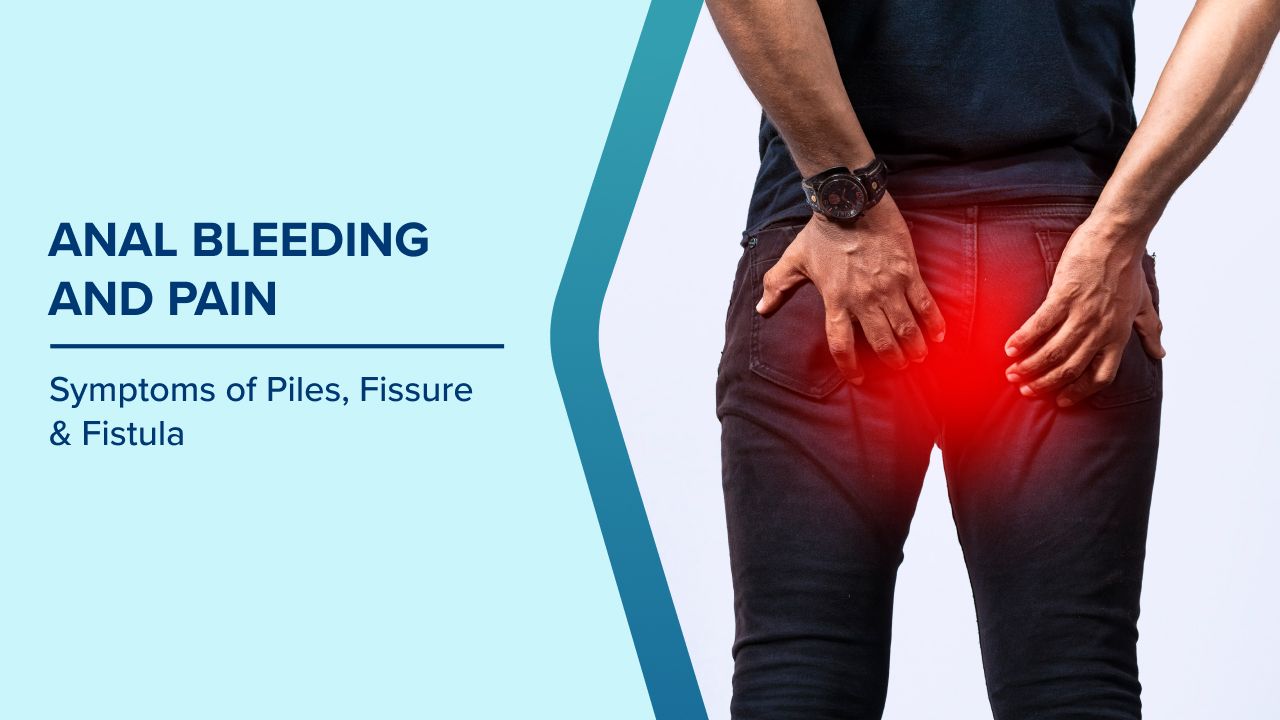
Anal pain and bleeding are symptoms that many people notice but hesitate to talk about. Often dismissed as a minor issue or blamed on diet or constipation, these signs can quietly worsen over time. What adds to the confusion is that piles, fissures, and fistula can all cause pain and bleeding, yet they are very different conditions. Understanding the pattern behind your symptoms is the first step towards getting the right care and avoiding unnecessary discomfort.
Why Anal Pain and Bleeding Should Never Be Ignored
Bleeding during bowel movements or pain around the anus is never normal, even if it happens occasionally. Many people assume it will settle on its own, especially if the bleeding is mild or painless. In reality, these symptoms often indicate an underlying anal condition that progresses if left untreated.
Ignoring them can lead to worsening pain, repeated infections, difficulty sitting or walking, and a significant impact on daily life. Early clarity saves both physical and emotional stress.
Anal Pain and Bleeding Are Symptoms, Not a Diagnosis
One of the most common mistakes people make is trying to label their condition too quickly. Pain and bleeding are warning signs. They do not necessarily indicate piles, nor do they exclude fissure or fistula.
Doctors look at:
- When the pain occurs
- How the bleeding appears
- Whether symptoms come and go or stay constant
- If there is discharge, swelling or fever
These details help distinguish between conditions that may otherwise seem similar.
When Anal Pain and Bleeding Point Towards Piles
Piles, also known as haemorrhoids, develop when veins around the anus or rectum become swollen. They are one of the most common reasons for painless rectal bleeding.
Typical Symptom Pattern
- Bright red blood seen on toilet paper or in the toilet
- Bleeding usually without pain
- Discomfort or heaviness after passing stools
- Itching or irritation around the anus
- A soft lump felt near the anal opening in some cases
Pain with haemorrhoids usually occurs only when swelling increases or a clot forms. Many people continue their daily activities despite symptoms, thereby delaying diagnosis.
When Sharp Pain Signals an Anal Fissure
An anal fissure is a small tear in the lining of the anus. It is often linked to passing hard stools and causes intense pain.
Typical Symptom Pattern
- Sharp or burning pain during bowel movements
- Pain that may last for hours after passing stools
- Small streaks of bright red blood
- Fear of using the toilet due to pain
- Tightness or spasm around the anus
Unlike pain from piles, fissure pain is difficult to ignore. Even a small tear can cause severe discomfort and disrupt sleep and routine.
When Persistent Discharge Suggests an Anal Fistula
An anal fistula is a tunnel that forms between the inside of the anus and the surrounding skin. It usually develops after an infection or abscess.
Typical Symptom Pattern
- Continuous or recurring discharge of pus or blood
- Constant dull pain rather than sharp pain
- Swelling or redness near the anus
- Recurrent boils or abscesses
- Fever or fatigue in some cases
Fistula symptoms often feel less dramatic at first, which leads many people to delay care until infections become frequent.
Key Differences at a Glance
While all three conditions can cause bleeding and pain, their behaviour differs:
- Piles mainly cause bleeding and discomfort
- Fissure causes intense pain with minimal bleeding
- Fistula causes discharge, infection and ongoing irritation
Recognising these differences helps patients describe symptoms accurately during consultations.
Why Self-Diagnosis Often Goes Wrong
Many people rely on internet searches or advice from friends to label their condition. This can be misleading because:
- More than one condition can exist at the same time
- Symptoms change as conditions progress
- Pain tolerance varies from person to person
Using over-the-counter creams without identifying the cause may provide temporary relief while the underlying problem persists.
How Doctors Approach Anal Pain and Bleeding
Doctors focus on understanding the history of symptoms rather than jumping straight to treatment. They ask about bowel habits, pain patterns, bleeding frequency and past infections. A careful examination allows them to identify the exact cause and plan appropriate care.
Early consultation often prevents complications and avoids prolonged discomfort.
Emotional and Lifestyle Impact of Anal Conditions
Anal pain and bleeding affect more than physical health. People often experience:
- Embarrassment or anxiety
- Fear of social situations
- Disrupted sleep
- Difficulty sitting at work
- Stress around using public toilets
These impacts are common and valid. Seeking medical advice early helps restore both physical comfort and peace of mind.
When You Should See a Doctor Without Delay
Do not wait if you notice:
- Repeated bleeding
- Pain lasting more than a few days
- Discharge or foul smell
- Fever or swelling
- Worsening symptoms despite home care
Early evaluation leads to simpler management and faster relief.
Conclusion
Anal pain and bleeding are common, but they should never be normalised. Understanding whether symptoms align with haemorrhoids, fissures, or fistulae enables individuals to seek timely and appropriate care. Listening to your body and acting early can prevent unnecessary pain and restore quality of life. If symptoms persist, a medical consultation is always the safest next step.
FAQs
Can stress or anxiety cause anal pain and bleeding?
Stress does not directly cause these conditions, but it can worsen bowel habits, such as constipation or diarrhoea, which may trigger or exacerbate symptoms.
Is it normal for symptoms to disappear and return later?
Yes, some anal conditions fluctuate, especially in early stages. Temporary relief does not mean the problem has been resolved.
Can women experience these conditions after pregnancy?
Yes, changes in bowel habits and pressure during pregnancy can contribute to anal conditions, even months after delivery.
Does sitting for long hours make anal problems worse?
Prolonged sitting can increase pressure in the anal area and worsen discomfort, especially in people with existing symptoms.
Are these conditions linked to poor hygiene?
No, anal conditions are not caused by poor hygiene. Over-cleaning can sometimes irritate the area further.
Written and Verified by:

Related Blogs

Medical Expert Team
Oct 20 , 2015 | 1 min read
Dr. Vishwas Sharma In General Surgery
Apr 23 , 2015 | 1 min read
Blogs by Doctor

Most read Blogs


Related Blogs
Medical Expert Team
Oct 20 , 2015 | 1 min read
Dr. Vishwas Sharma In General Surgery
Apr 23 , 2015 | 1 min read
Blogs by Doctor
Most read Blogs