 WhatsApp Us (24/7)
 +91 926 888 0303 (24/7)


To Book an Appointment
Call Us+91 926 888 0303Medical Emergency Shock: Warning Signs, Symptoms, Types & Treatment
By Dr. Kamal Palta in Emergency & Trauma
Jun 01 , 2026

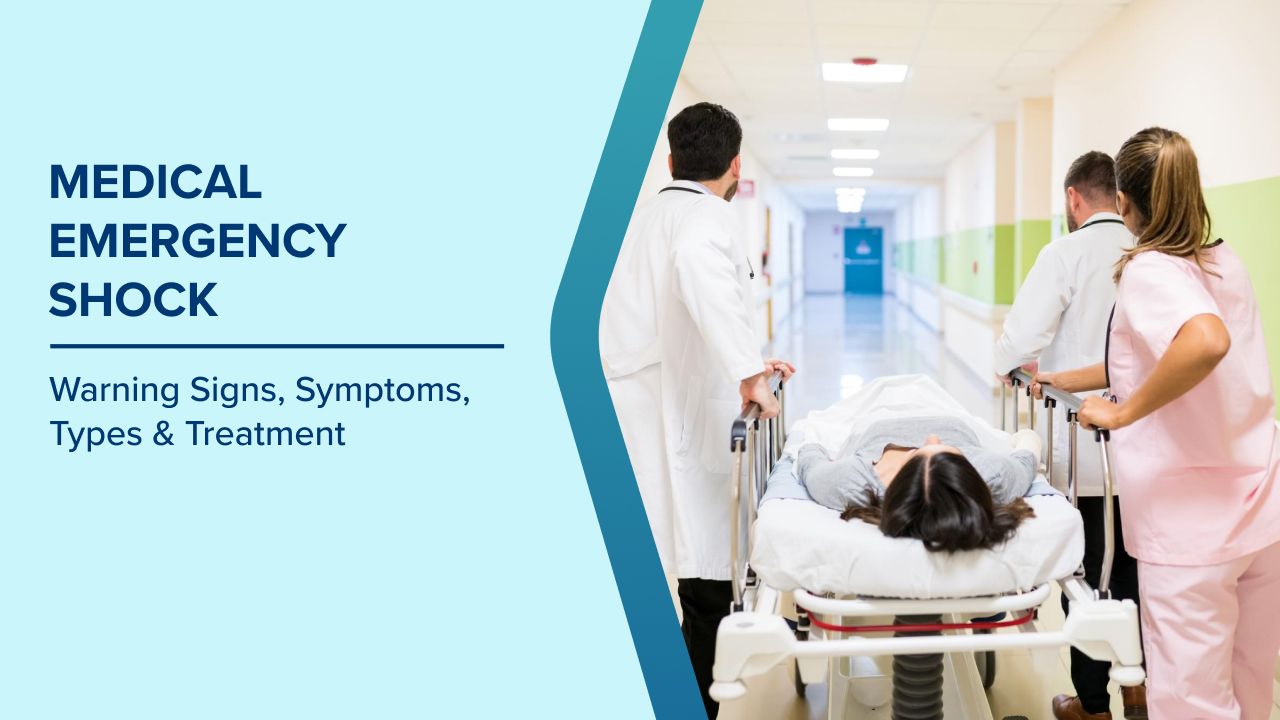
Medical shock is a life-threatening emergency condition where the body does not receive enough blood flow to vital organs. It can result from injury, severe infection, heart problems, or allergic reactions. Early recognition of the signs of shock is critical, as delays can lead to organ failure and death. Common warning signs include low blood pressure, rapid pulse, confusion, and cold, clammy skin. Understanding what constitutes a medical emergency can help you act quickly and potentially save a life.
What Is Shock in a Medical Emergency?
Shock is a serious condition in which blood circulation becomes inadequate, preventing vital organs from receiving oxygen and nutrients. This can affect the brain, heart, kidneys, and lungs.
If not treated promptly, shock can rapidly progress to organ failure. That is why it is considered a medical emergency requiring immediate care.
What Happens in the Body During Shock?
During shock, the body struggles to maintain blood flow to essential organs.
- Blood pressure drops significantly
- Oxygen supply to tissues decreases
- Cells begin to malfunction
- Vital organs may fail if untreated
This chain reaction makes shock extremely dangerous and time-sensitive.
Types of Shock
Understanding the different types of shock helps identify the cause and urgency of treatment.
Hypovolemic Shock
- Caused by severe loss of blood or fluids
- Common in trauma, dehydration, or burns
- Leads to reduced blood volume and circulation
Cardiogenic Shock
- Occurs when the heart cannot pump blood effectively
- Often linked to heart attack or severe heart disease
Septic Shock
- Results from a severe infection spreading through the body
- Causes widespread inflammation and dangerously low blood pressure
Anaphylactic Shock
- A severe allergic reaction
- Can be triggered by foods, medications, or insect stings
- Leads to airway swelling and breathing difficulty
Neurogenic Shock
- Caused by damage to the nervous system, such as spinal cord injury
- Disrupts the body's ability to regulate blood pressure
Common Causes of Shock
Shock can occur due to various underlying conditions.
- Severe trauma or injury
- Excessive bleeding
- Serious infections
- Allergic reactions
- Heart conditions affecting blood circulation
Recognising these causes helps in early identification and prevention.
Warning Signs and Symptoms of Shock
Recognising shock symptoms early is crucial for saving lives.
Key Signs of Shock
- Low blood pressure (a low blood pressure emergency)
- Rapid, weak pulse
- Cold, clammy, or pale skin
- Confusion or altered mental state
- Shortness of breath
- Dizziness or fainting
These signs of shock indicate that the body is not getting enough blood and oxygen.
When to Seek Immediate Medical Help
Shock is always an emergency. Immediate action is required if you notice:
- Loss of consciousness
- Severe breathing difficulty
- Chest pain
- Uncontrolled bleeding
- Extreme weakness or confusion
Do not delay, early emergency shock treatment can save lives.
First Aid for Shock (Immediate Steps)
Providing first aid for shock while waiting for medical help is critical.
What You Should Do
- Lay the person down flat on their back
- Elevate the legs slightly (if no injury is suspected)
- Keep the person warm using a blanket
- Do not give food or drink
- Call emergency medical services immediately
These simple steps can help maintain blood flow to vital organs.
How Shock Is Treated in Hospital
Once at the hospital, treatment focuses on stabilising the patient and addressing the cause.
Common Treatments
- IV fluids to restore blood volume
- Medications to support blood pressure and heart function
- Oxygen therapy to improve oxygen supply
- Treatment of the underlying cause (infection, bleeding, or heart condition)
Prompt treatment improves survival and reduces complications.
Why Early Recognition of Shock Saves Lives
Early identification of medical shock can prevent serious outcomes.
- Reduces risk of organ failure
- Improves chances of recovery
- Allows faster medical intervention
Knowing the signs of shock and acting quickly can make a life-saving difference.
Conclusion
Shock is a serious and life-threatening condition that requires immediate attention. Understanding what shock is in medical emergencies, recognising early shock symptoms, and providing prompt first aid for shock can save lives. Delayed treatment increases the risk of organ failure and death. Awareness, prompt action, and timely medical care are essential to improving outcomes. In any suspected case of shock, do not wait, seek emergency medical help immediately.
Frequently Asked Questions
Can shock happen without visible injury?
Yes, shock can occur without visible injury. Conditions such as infections, allergic reactions, or heart problems can cause internal shock.
How quickly can shock become life-threatening?
Shock can become life-threatening within minutes if untreated, especially in cases like severe bleeding or anaphylaxis.
Is low blood pressure always a sign of shock?
Not always, but very low blood pressure combined with other symptoms may indicate shock and require urgent evaluation.
Can shock be reversed if treated early?
Yes, early treatment can reverse shock in many cases and prevent permanent damage.
What is the difference between shock and fainting?
Fainting is usually temporary and less serious, while shock is a severe condition involving prolonged poor blood circulation.
Can dehydration lead to shock?
Yes, severe dehydration can cause hypovolemic shock by reducing blood volume.
Written and Verified by:

Related Blogs

Dr. Tamorish Kole In Emergency Medicine , Emergency & Trauma
Nov 07 , 2020 | 2 min read

Blogs by Doctor

First Aid for Seizures: What to Do And Not to Do
Dr. Kamal Palta In Emergency & Trauma
Mar 07 , 2022 | 1 min read
Most read Blogs


Related Blogs
Dr. Tamorish Kole In Emergency Medicine , Emergency & Trauma
Nov 07 , 2020 | 2 min read
Blogs by Doctor
First Aid for Seizures: What to Do And Not to Do
Dr. Kamal Palta In Emergency & Trauma
Mar 07 , 2022 | 1 min read
Most read Blogs