 WhatsApp Us (24/7)
 +91 926 888 0303 (24/7)


To Book an Appointment
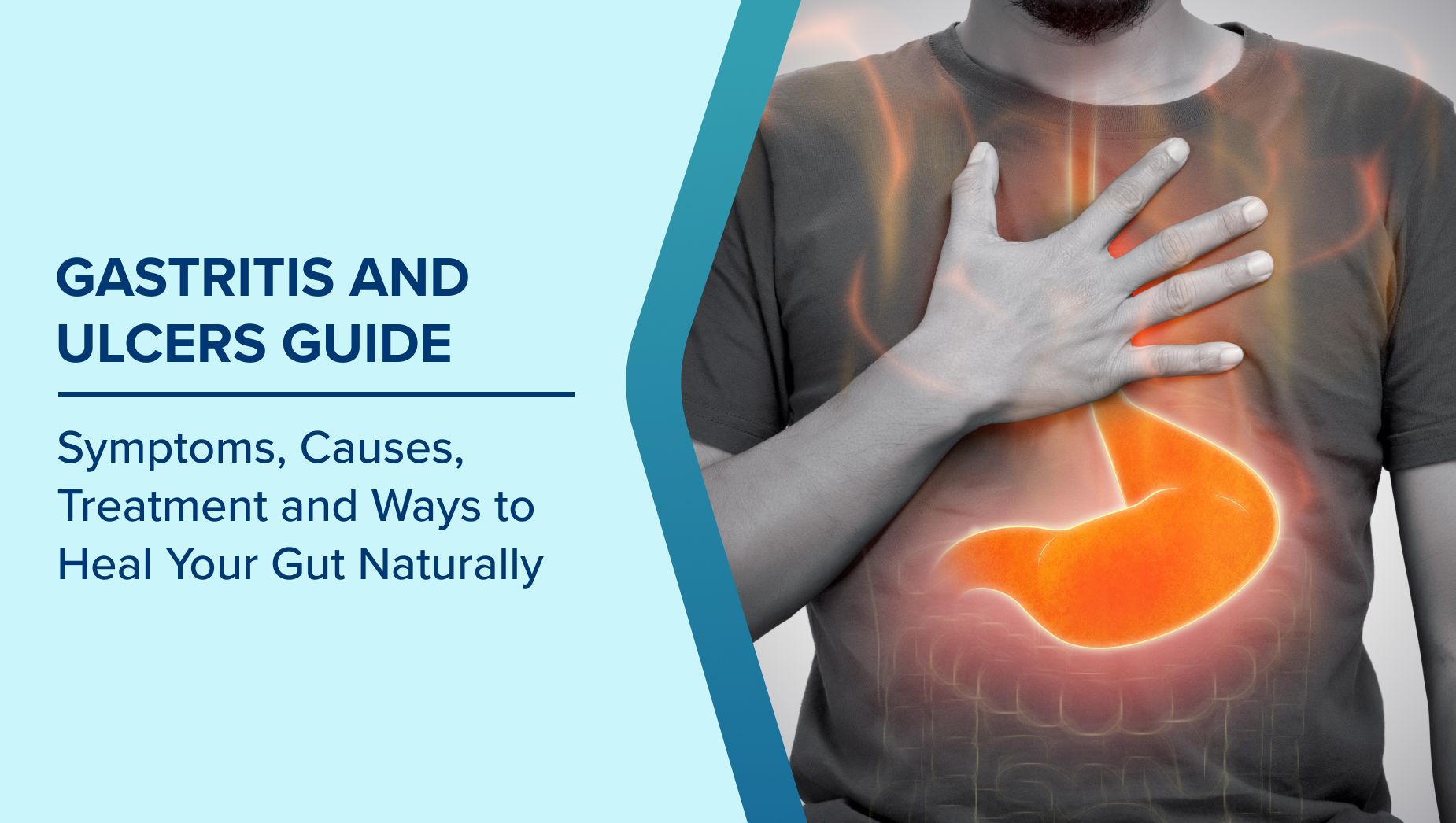
Call Us+91 926 888 0303Gastritis and Ulcers Guide: Symptoms, Causes, Treatment and Ways to Heal Your Gut Naturally
By Dr. Daya Ram in Gastroenterology, Hepatology & Endoscopy
Nov 30 , 2025 | 3 min read

Gastritis and stomach ulcers have become increasingly common across all age groups. More people today complain of constant acidity, burning pain in the stomach, bloating, indigestion and nausea. The rise in these problems is linked to fast-paced lifestyles, irregular eating habits, stress, processed food, late-night meals. Many people also rely heavily on painkillers, which can irritate the stomach lining. As a result, millions struggle with digestive problems that affect their energy, sleep, productivity and overall quality of life.
Understanding what gastritis and ulcers really are, what triggers them, and how to treat them naturally is the first step towards long-term gut health.
What Is Gastritis
Gastritis is the inflammation of the stomach lining. The stomach normally has a strong protective layer that shields it from acids. When this lining becomes irritated or damaged, it leads to inflammation. This condition can be sudden, known as acute gastritis, or long-lasting, referred to as chronic gastritis. Mild cases may cause temporary discomfort, while severe or untreated gastritis can lead to stomach ulcers, bleeding or a higher risk of vitamin B12 deficiency.
What Are Stomach Ulcers?
Stomach ulcers, also known as gastric ulcers, are open sores that form on the stomach lining. When the protective layer becomes weak, digestive acids begin to damage the tissue, creating painful wounds. Ulcers may also occur in the upper part of the small intestine, known as duodenal ulcers. These ulcers cause burning pain, especially when the stomach is empty. Without proper treatment, ulcers can increase the risk of infection, bleeding and serious complications.
Common Causes of Gastritis and Ulcers
Many different factors can irritate or damage the stomach lining. Some of the most common causes include:
- H. pylori Infection: This bacterial infection is one of the top causes of both gastritis and ulcers. It weakens the stomach lining and increases acid sensitivity.
- Regular Use of Painkillers (NSAIDs): Frequent use of drugs like ibuprofen, aspirin or naproxen can damage the stomach lining and lead to ulcers.
- Stress and Poor Lifestyle: Stress increases acid production and slows digestion, making the stomach more prone to irritation.
- Alcohol and Smoking: Both habits weaken the stomach lining and increase inflammation.
- Irregular Eating Patterns: Skipping meals, overeating, consuming spicy/oily foods and late-night eating worsen symptoms.
- Medical Conditions: Autoimmune gastritis, bile reflux, crohn’s disease and infections can also cause chronic inflammation.
Gastritis and Ulcer Symptoms
Symptoms vary depending on severity and duration. Common signs include:
- Burning stomach pain
- Heartburn or acid reflux
- Nausea or vomiting
- Feeling full after small meals
- Bloating and burping
- Indigestion
- Loss of appetite
- Black stools or vomiting blood (warning signs – urgent care needed)
- Unexplained weight loss
Ulcer pain worsens when the stomach is empty; gastritis pain may worsen after meals.
Who Is at Higher Risk
Certain people are more likely to develop gastritis or ulcers. High-risk groups include:
- Family history of ulcers or gastritis
- Regular Painkiller (NSAID) users
- Long-term stress or anxiety
- Heavy smokers or alcohol users
- People with H. pylori infection
- Individuals with autoimmune diseases
- Elderly individuals
- People who frequently eat unhygienic outside food
- Those who skip meals or have poor eating habits
Early awareness helps prevent long-term gut damage.
When You Should See a Doctor
Medical help is needed if you experience any of these:
- Persistent pain for more than one week
- Vomiting blood or black stool
- Severe abdominal pain
- Unexplained weight loss
- Persistent nausea
- Difficulty swallowing
- Symptoms worsening despite home treatment
How Gastritis and Ulcers Are Diagnosed
- Physical Examination: Symptom & lifestyle assessment
- H. pylori Test: Breath, stool or blood test
- Upper GI Endoscopy: Camera check for inflammation or ulcers
- Biopsy: Tissue sample for testing
- Blood Tests: Check for anaemia or infection
Gastritis & Ulcer Treatment
- Antibiotics: For H. pylori
- Acid-Reducing Medicines: PPIs, antacids, H2 blockers
- Stopping Painkillers: Reduce irritation
- Diet Changes: Healing foods
- Lifestyle Modification: Stress management, good sleep, quit smoking
- Surgery: Rare, for severe complications
Foods to Eat
- Plain rice, boiled vegetables
- Bananas, apples, pears
- Oats & whole grains
- Buttermilk & yoghurt
- Coconut water
- Eggs, chicken, fish
- Aloe vera juice (limited)
- Chamomile tea
Foods to Avoid
- Oily, fried, spicy food
- Tomatoes & citrus
- Excess tea/coffee
- Soda
- Packaged snacks
- Sugary foods
- Alcohol
- Smoking
- Red meat (for some people)
- Very hot/cold beverages
Home Remedies
- Warm Water
- Ginger Water
- Honey
- Probiotics
- Cabbage Juice
- Fennel Seeds
Prevention Tips
- Eat meals on time
- Avoid overeating
- Manage stress
- Avoid NSAIDs
- Maintain a balanced diet
- Stay hydrated
- Limit alcohol
- Avoid smoking
- Be physically active
- Get enough sleep
Complications if Untreated
- Stomach bleeding
- Severe anemia
- Stomach or duodenal perforation
- Cancer risk (chronic H. pylori)
- Blockage due to swelling
- Long-term digestive issues
Conclusion
Gastritis and ulcers are treatable with proper lifestyle, diet and medical care. Early diagnosis and healthy habits help prevent complications.
Frequently Asked Questions
Can gastritis heal on its own without medicine?
Mild cases may improve with diet and stress management, but prolonged symptoms require treatment.
Is H. pylori infection contagious?
Yes, it spreads through saliva, contaminated food, water or close contact.
Are milk and dairy products safe for gastritis?
Yoghurt and buttermilk help, but full-fat/sugary dairy may worsen symptoms.
Written and Verified by:

Related Blogs

Dr. Nivedita Pandey In Gastroenterology, Hepatology & Endoscopy , Liver Transplant and Biliary Sciences
Nov 07 , 2020 | 2 min read
Dr. Nivedita Pandey In Gastroenterology, Hepatology & Endoscopy , Liver Transplant and Biliary Sciences
Nov 07 , 2020 | 2 min read
Most read Blogs


Related Blogs
Dr. Nivedita Pandey In Gastroenterology, Hepatology & Endoscopy , Liver Transplant and Biliary Sciences
Nov 07 , 2020 | 2 min read
Dr. Nivedita Pandey In Gastroenterology, Hepatology & Endoscopy , Liver Transplant and Biliary Sciences
Nov 07 , 2020 | 2 min read
Most read Blogs