 WhatsApp Us (24/7)
 +91 926 888 0303 (24/7)


To Book an Appointment
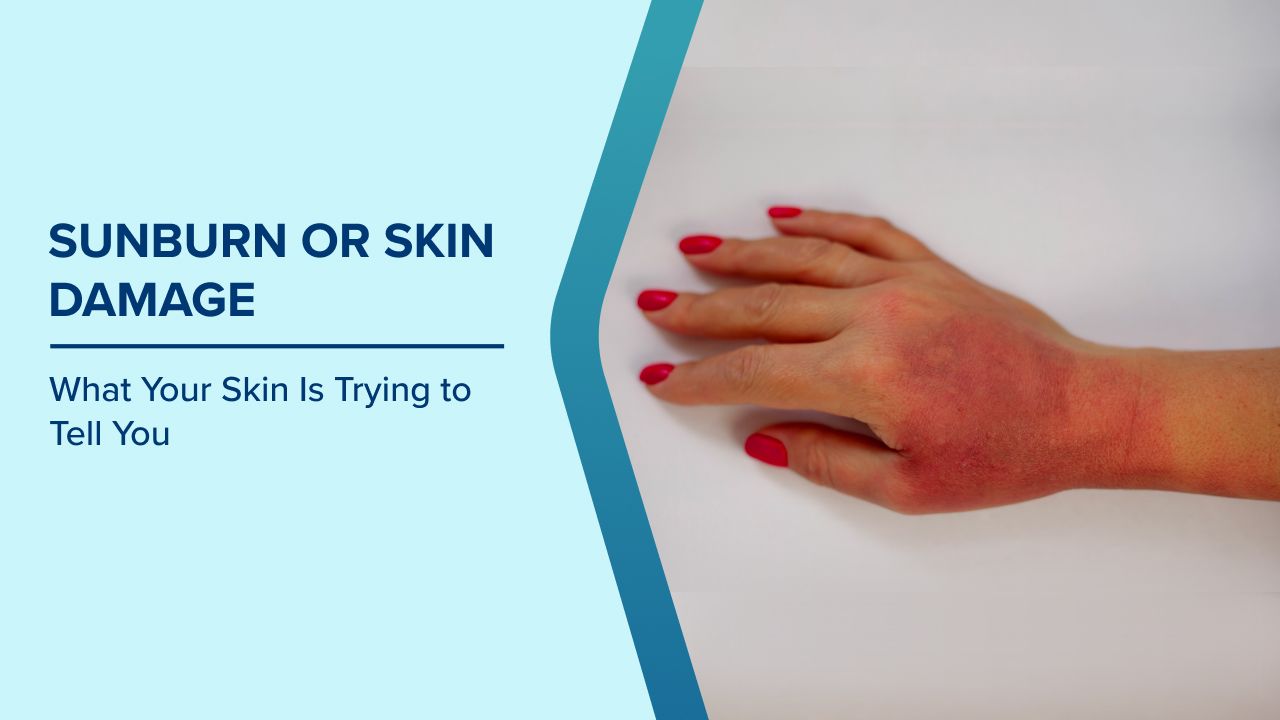
Call Us+91 926 888 0303Sunburn or Skin Damage: Early Signs & Skin Changes
By Dr. Prateek Nagrani in Dermatology
Mar 27 , 2026
7

Spending time in the sun often feels refreshing. Whether it is a beach holiday, a weekend walk outdoors, or daily travel in bright weather, sunlight is a regular part of life. However, many people only think about their skin when they notice redness or discomfort after being outdoors.
In most cases, people assume that any skin reaction after sun exposure is simply sunburn. While that may sometimes be true, the skin can also show signs of deeper changes caused by repeated exposure to sunlight. These changes do not always appear immediately and can develop gradually over time.
Understanding the difference between sunburn and skin damage is important for maintaining healthy skin in the long run. Your skin often gives early signals when it is under stress from sunlight. Learning to recognise those signals can help you take better care of your skin before small issues turn into long-term concerns.
Why Sun Exposure Affects Skin in Different Ways
Every person’s skin responds to sunlight differently. Some people may notice changes quickly, while others may not see visible effects for years.
Several factors influence how skin reacts to sun exposure, including:
- Duration of time spent outdoors
- Individual skin sensitivity
- Frequency of sun exposure throughout the year
- Natural skin tone and pigmentation
- Environmental conditions such as heat and humidity
For example, a short period outdoors may lead to mild redness for some individuals. In contrast, repeated exposure over months or years can slowly affect the overall texture and appearance of the skin.
These variations explain why the sun exposure effects on skin can range from temporary irritation to gradual structural changes.
Read More:- Sunburn: Symptoms, Causes, Treatments, Home Remedies, and Prevention
Temporary Sunburn vs Long-Term Skin Damage
Not every reaction to sunlight carries the same level of concern. Some reactions are temporary, while others may develop gradually.
Understanding the difference can help people recognise when the skin may need closer attention.
Temporary Skin Reactions
These usually appear soon after spending time in strong sunlight and tend to fade within a few days.
Common temporary reactions include:
- Mild redness that fades over time
- A sensation of warmth on the skin
- Short-term sensitivity to touch
- Temporary dryness or tightness
These effects are often short-lived and improve as the skin recovers.
Long-Term Skin Changes
Long-term skin damage may appear slowly after repeated exposure to sunlight. Instead of disappearing quickly, these changes gradually become more noticeable.
Some examples include:
- Uneven skin tone
- Persistent dryness
- Visible texture changes
- Early signs of skin ageing
These sun damage symptoms may develop slowly, which is why they are sometimes overlooked until they become more noticeable.
Early Signs Your Skin May Be Experiencing Sun Damage
Skin damage from sun exposure often begins subtly. Many people do not recognise the early signs because they develop gradually rather than appearing suddenly.
Some early changes to watch for include:
- Uneven pigmentation that appears darker in certain areas of the skin
- Small dark spots that develop over time
- Rough patches that feel slightly different from the surrounding skin
- Fine lines that appear earlier than expected
- Increased sensitivity to sunlight
These early signs of UV damage to the skin are often easier to manage when noticed early. Paying attention to small changes in skin texture or colour can provide helpful clues about overall skin health.
Read More:- Summer Skin Infections: Causes, Symptoms & Prevention Tips
Why Repeated Sun Exposure Can Gradually Change Skin Health
The skin acts as the body’s outer protective layer. When exposed to sunlight regularly, it works hard to protect deeper tissues. Over time, this repeated effort can influence how the skin looks and feels.
Frequent sun exposure may gradually affect:
- Skin elasticity, which contributes to firmness
- Skin tone, leading to patches of darker or lighter colour
- Surface texture, which may become uneven
- Overall brightness of the skin
These changes do not appear overnight. Instead, they may develop slowly over several years, especially in individuals who spend significant time outdoors.
Activities such as regular outdoor sports, beach holidays, or frequent travel to sunny locations may increase the likelihood of noticing long-term sun damage.
Skin Areas That Often Show Sun Damage First
Certain parts of the body are more likely to show sun-related changes because they receive more direct exposure.
The areas that often reveal early skin damage from the sun include:
- Face, particularly the cheeks and forehead
- The neck, which is frequently exposed during daily activities
- Shoulders, especially when wearing sleeveless clothing
- Arms, which receive sunlight during outdoor movement
- Back of the hands, which are rarely covered
These areas are commonly exposed throughout daily routines. As a result, they may develop visible changes earlier than other parts of the body.
Observing these areas regularly can help individuals recognise any developing patterns.
When Skin Changes Should Not Be Ignored
Many sun-related skin changes are mild and gradual. However, there are situations where it may be wise to seek professional guidance.
Some skin changes that should be evaluated include:
- Dark patches that continue to expand over time
- Unusual spots that appear different from the surrounding skin
- Rough areas that remain for long periods
- Skin reactions that occur repeatedly after sun exposure
A healthcare professional can assess these changes and determine whether further attention is needed. Early evaluation can help clarify whether the changes are temporary or part of a larger pattern of skin protection awareness.
Developing Better Awareness About Sun-Related Skin Changes
Maintaining healthy skin often begins with awareness. Many people do not notice small changes because they happen gradually over time.
Developing simple observation habits can make a difference. These may include:
- Checking skin regularly for new spots or changes in tone
- Noticing patterns that appear after spending time outdoors
- Understanding personal skin sensitivity to sunlight
- Observing areas that receive the most sun exposure
Being attentive to these signals allows people to respond early when the skin begins to show signs of stress.
Greater awareness helps individuals make more informed decisions about their long-term skin health.
Read More:- Achieve Bright and Spotless Skin: A Guide to Treating Hyperpigmentation
Conclusion
Sunlight is a natural part of daily life, but the skin does not always react in the same way to every exposure. While some reactions are temporary and fade quickly, others may reflect deeper changes that develop gradually over time.
Understanding the difference between sunburn and skin damage can help people pay closer attention to what their skin is communicating. Subtle signs such as uneven tone, texture changes, or increased sensitivity may indicate that the skin has experienced repeated sun exposure.
By observing these signals and becoming more aware of how the skin responds to sunlight, individuals can take thoughtful steps to maintain healthier skin in the years ahead.
Frequently Asked Questions
Can sun damage appear years after spending time in the sun?
Yes, skin changes related to sun exposure may become visible many years after the original exposure.
Does tanning always mean the skin has been affected by sunlight?
Tanning usually indicates that the skin has responded to sun exposure, even if redness or irritation is not visible.
Can cloudy weather still affect the skin?
Yes, sunlight can still influence the skin on cloudy days even when the sun is not clearly visible.
Are some people naturally more sensitive to sun exposure?
Yes, individual skin tone and natural pigmentation can influence how the skin responds to sunlight.
Can sunlight through windows affect the skin?
Extended exposure to strong sunlight through windows may still influence skin over time.
Written and Verified by:

Related Blogs


Blogs by Doctor

Common Skin Infections in Children Demystified
Dr. Prateek Nagrani In Dermatology
May 16 , 2024 | 10 min read

Understanding Dermatomyositis: A Comprehensive Guide
Dr. Prateek Nagrani In Dermatology
Aug 05 , 2024 | 9 min read
Most read Blogs


Related Blogs
Blogs by Doctor
Common Skin Infections in Children Demystified
Dr. Prateek Nagrani In Dermatology
May 16 , 2024 | 10 min read
Understanding Dermatomyositis: A Comprehensive Guide
Dr. Prateek Nagrani In Dermatology
Aug 05 , 2024 | 9 min read
Most read Blogs