 WhatsApp Us (24/7)
 +91 926 888 0303 (24/7)


To Book an Appointment
Call Us+91 926 888 0303All About Stress Fractures: Causes, Symptoms and Treatment
By Dr. Shivraj Surendra Suryawanshi in Orthopaedics & Joint Replacement
Jul 15 , 2025 | 10 min read

Stress fractures are small cracks in the bone caused by injury, repeated strain, or overuse during physical activity. The pain usually begins as a mild ache that worsens with movement. As the discomfort increases gradually and tends to ease with rest, it is often mistaken for a muscle strain or minor sprain. This delay in recognition may allow the injury to progress, especially if the underlying stress continues. Recognising the signs early and understanding what sets a stress fracture apart from other injuries can help prevent any complications. This blog explains all about stress fractures, starting with the basics.
What is a Stress Fracture?
A stress fracture is a fine crack in the bone that forms when repeated stress or minor trauma weakens its surface over time. It typically affects bones that carry body weight, such as the tibia, metatarsals, or femur. The fracture line is usually so thin that it may not be visible on initial X-rays. Unlike more serious fractures that result from a fall or direct impact, stress fractures often develop gradually in response to ongoing strain. These injuries are common among runners, dancers, military recruits and individuals whose work involves prolonged standing or walking. Although the bone remains structurally intact, the damage can worsen without proper management, making early recognition and activity adjustment important.
What Causes Stress Fractures?
Stress fractures develop when repeated stress is placed on a bone without giving it enough time to recover. Several factors may contribute to this kind of injury:
- Overuse from repetitive activity: Continuous strain from activities such as running, jumping, or dancing can place more pressure on a bone than it can repair between sessions. Over time, this repeated stress can lead to a small crack.
- A sudden increase in physical activity: Bones adapt gradually to increased workload. Starting a new workout routine or significantly raising activity levels too quickly after a break can overwhelm the bones and cause a fracture to form.
- Improper or worn-out footwear: Shoes that do not provide adequate support or cushioning can lead to uneven pressure on certain areas of the foot, increasing the risk of stress on bones in the legs or feet.
- Hard or uneven walking surfaces: Regular activity on concrete or uneven ground can increase the impact felt by the lower limbs, especially when combined with long periods of standing or walking.
- Poor technique or body mechanics: Incorrect posture or movement patterns during physical activity may cause one part of the body to absorb more pressure than it should, placing extra strain on certain bones.
- Low bone strength or health conditions: Conditions such as osteoporosis or vitamin D deficiency reduce bone density, making the bones more vulnerable to even mild, repeated stress during daily activity.
What are the Symptoms of a Hairline Fracture?
Symptoms may not appear all at once and can be mistaken for less serious issues. Common signs include:
- Localised pain: Pain is usually felt in one specific area of the bone. It may begin as a mild ache that worsens during activity and improves with rest.
- Swelling: A small amount of swelling may appear near the affected area, often after prolonged use or physical activity.
- Tenderness: The area may feel sore when touched, even in the absence of visible signs like bruising.
- Pain that gets worse over time: Continued stress on the bone may cause the discomfort to become more noticeable and persistent.
- Difficulty with movement or weight-bearing: Activities such as walking, running or lifting may become uncomfortable as the fracture progresses.
- Lack of visible injury: There may be no bruising, redness or noticeable changes in appearance, which can delay proper diagnosis.
How are Stress Fractures Diagnosed?
Stress fractures are often difficult to detect in the early stages, as symptoms can be mild and easily confused with soft tissue injuries. A thorough evaluation is important to avoid delays in treatment and to prevent the injury from progressing. Diagnosis usually involves a combination of clinical examination, medical history, and imaging tests.
Physical Examination
The doctor first examines the affected area to look for signs such as swelling, tenderness or limited range of motion. Pressing lightly on the bone helps identify localised pain. In some cases, the doctor may ask the patient to perform gentle movements or weight-bearing activities to assess how the pain responds. These physical cues help distinguish a possible fracture from a muscle or ligament injury.
Detailed Medical History
Information about recent physical activity, changes in exercise routines, and any new or intense training is important. The doctor may ask about occupation, footwear, and time spent on the feet each day. Underlying conditions like low bone density, previous fractures, hormonal changes, or nutritional deficiencies may also be discussed, as these can increase the risk of developing a stress fracture.
Imaging Tests
- X-Ray: An X-ray is usually the first imaging test used. In some cases, especially when the fracture is fresh or very fine, it may not appear clearly on the scan. A normal X-ray does not always rule out a fracture, so further testing may be needed if symptoms persist.
- MRI scan: This is considered the most reliable imaging method for stress fractures. It can detect small cracks in the bone and reveal any swelling in the surrounding tissue, even in the early stages.
- Bone scan: A radioactive substance is used to highlight areas where the bone is actively repairing itself. Increased activity in a specific area may suggest the presence of a fracture that is not visible on an X-ray.
- CT scan: This test provides a detailed cross-sectional image of the bone. It may be used when the location of the fracture is difficult to assess or when precise imaging is needed for treatment planning.
How are Stress Fractures Treated?
Most stress fractures heal without surgery, as long as the bone is given enough time to rest and recover. Treatment focuses on preventing further stress on the affected bone, managing discomfort, and supporting a gradual return to activity.
Non-Surgical Treatment
This is the most common approach for managing stress fractures. It includes rest, activity modification and supportive care. The aim is to prevent further strain on the affected bone. Patients are advised to avoid high-impact movements and follow a structured plan for gradual return to daily activities. Depending on the location of the fracture, the recovery period may range from a few weeks to a couple of months.
Immobilisation
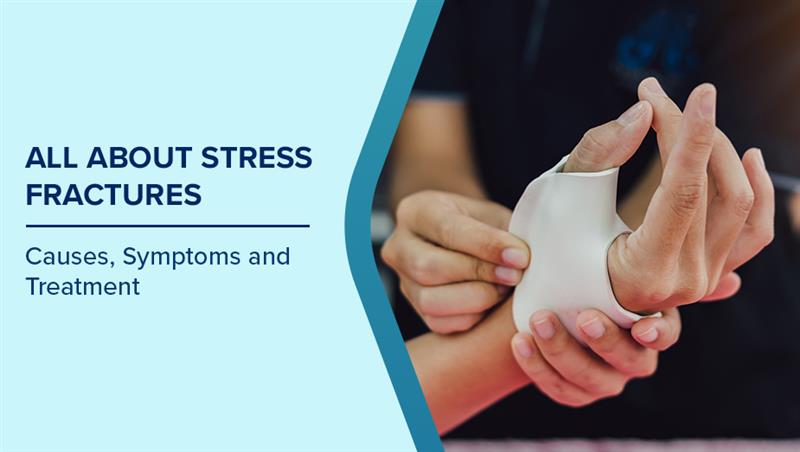
Immobilisation involves keeping the affected bone stable and supported. Splints or braces are often used for fractures in the upper limbs, while walking boots or crutches may be used for foot, ankle or leg fractures. These devices help prevent unnecessary movement, reduce pain and lower the risk of worsening the fracture during the healing phase.
Pain Management
Pain relief is usually managed with non-prescription medicines. These help reduce discomfort during the initial days of recovery. In cases where pain is more persistent, the doctor may suggest a short course of anti-inflammatory medicines. Care is taken not to use certain medications for extended periods, as they may interfere with the healing process.
Physiotherapy and Rehabilitation
Once the fracture begins to heal, physiotherapy may be introduced to rebuild strength, restore joint movement and improve overall function. The exercises are tailored to the affected area and help prevent stiffness or muscle weakness caused by prolonged rest. The duration and intensity of rehabilitation depend on how well the bone responds to initial treatment.
Surgical Treatment
Surgery is rarely required for stress fractures but may be considered in specific cases. These include fractures that do not heal with conservative treatment, are located in areas with poor blood supply or carry a high risk of complete breakage. Surgical repair may involve the use of screws, wires or plates to stabilise the bone. Recovery after surgery typically involves a longer rest period and guided rehabilitation.
How Long Does Recovery Take?
Recovery from a stress fracture usually takes between 6 and 8 weeks. The exact duration depends on which bone is affected, how early the injury is diagnosed and how well the recovery plan is followed. Fractures in the foot, shin or hip may take longer to heal because they carry more body weight. Injuries in the arm or wrist often heal a little faster.
Delays in healing can occur if rest is not taken seriously or if the cause of stress on the bone continues. In such cases, the small crack may worsen and extend the recovery period. Follow-up appointments help check progress and guide the next steps. Once pain and swelling improve, gentle movement may be encouraged under medical advice. A full return to physical activity is usually allowed only after the bone regains its strength.
Consult Today
Moving forward with the right care begins by recognising when the body signals a deeper issue. If there’s even a slight concern that the pain could point to a stress-related bone injury, it’s worth addressing before routine activity becomes difficult. Max Hospital offers access to orthopaedic specialists who focus on bone and joint conditions, including those that are often missed in the early stages. Booking a consultation can help clarify what’s causing the discomfort and offer a clear path towards safe recovery.
Frequently Asked Questions
Can a stress fracture heal on its own without medical treatment?
A very mild stress fracture may begin to heal with rest alone, but without medical supervision, there is no way to confirm if the bone is aligning or healing correctly. Incomplete or improper healing may lead to long-term pain, reduced mobility or a full fracture later. Medical evaluation helps ensure the fracture is monitored and supported during recovery.
Is swelling always present with a stress fracture?
Swelling is common but not guaranteed. Some stress fractures cause only mild swelling or none at all, especially in deeper bones where inflammation may not be as visible. This can make the injury harder to detect without imaging, leading some people to overlook it or mistake it for a minor sprain.
Can walking on a suspected fracture in the leg or foot make it worse?
Yes. Continuing to walk on a fractured bone, even if the pain feels manageable, can place extra stress on the area and cause the fracture to widen or progress. This not only delays healing but may turn a small crack into a more serious break that requires a longer recovery or even surgical repair.
What are the risks of leaving a stress fracture untreated?
Without treatment, a stress fracture may heal in the wrong position or fail to heal at all. This can result in chronic pain, reduced strength in the affected limb or joint, and a higher chance of future injury in the same area. In weight-bearing bones, such as those in the foot or leg, untreated fractures may also affect posture and balance over time.
Are children and teenagers more likely to develop stress fractures?
Yes. Children and teenagers, especially those involved in sports or physical training, are at higher risk due to repetitive impact on growing bones. Their skeletal systems are still developing, which makes certain bones more vulnerable to small cracks from overuse or improper technique during physical activity.
Can blood tests detect a stress fracture?
No. Blood tests cannot confirm or rule out a fracture. Stress fractures affect the bone structure and require imaging techniques such as X-ray, MRI or CT scan for accurate diagnosis. However, blood tests may be done to check for related issues such as vitamin D deficiency or bone metabolism problems in certain cases.
How can someone tell if the pain is from a stress fracture or a muscle strain?
The key difference lies in the type and behaviour of the pain. A muscle strain usually causes soreness in the soft tissue and often improves with gentle movement. A stress fracture causes deeper, more localised pain that tends to worsen with pressure or repetitive use of the affected bone. Swelling or tenderness over a specific point on the bone is more common in fractures than in muscle strains.
Can a stress fracture occur without any clear injury or fall?
Yes. Many stress fractures develop over time due to repeated stress or overuse. This is especially true for people involved in high-impact activities like running or jumping. The injury may not be linked to one specific event, making it harder to recognise without imaging.
Will there be any long-term effects after the fracture has healed?
Most stress fractures heal fully with proper care. However, returning to intense activity too quickly or ignoring mild post-recovery pain may increase the risk of reinjury. In rare cases, some people may continue to experience stiffness or mild discomfort during strenuous activity, particularly if the fracture occurred in a high-impact area like the foot or hip.
Written and Verified by:

Related Blogs


Dr. Ashish Jain In Orthopaedics & Joint Replacement
Nov 07 , 2020 | 1 min read
Blogs by Doctor
Most read Blogs


Related Blogs
Dr. Ashish Jain In Orthopaedics & Joint Replacement
Nov 07 , 2020 | 1 min read
Blogs by Doctor
Most read Blogs