 WhatsApp Us (24/7)
 +91 926 888 0303 (24/7)


To Book an Appointment
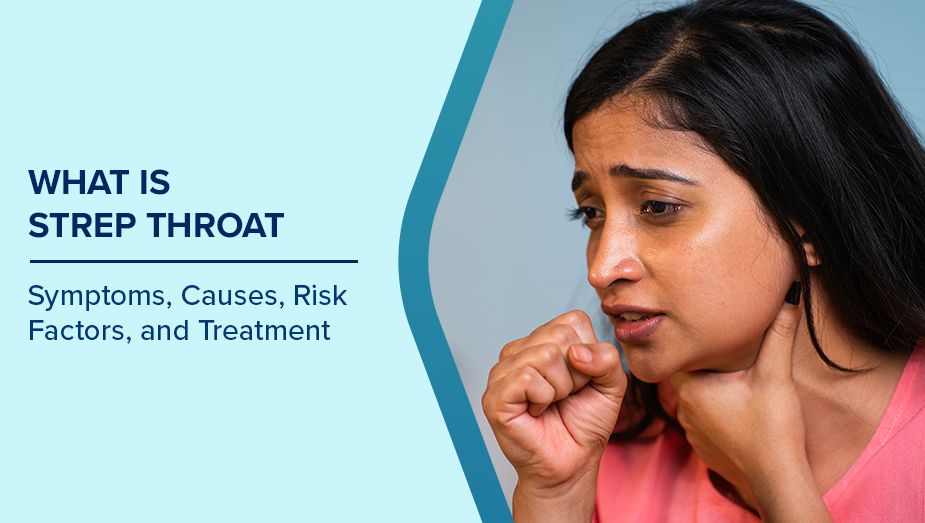
Call Us+91 926 888 0303What is Strep Throat: Symptoms, Causes, Risk Factors, and Treatment
By Dr. Manasi Mehra in ENT(Ear Nose Throat)
Nov 12 , 2025 | 11 min read

Strep throat is a common bacterial infection that affects the throat and tonsils, caused by Streptococcus pyogenes. Interestingly, some people can carry these bacteria without any noticeable symptoms, yet still spread them to others who may develop the infection. Because it spreads easily through coughing, sneezing, or close contact, outbreaks are especially common among children and in crowded settings such as schools, making it important to not ignore early signs that might seem similar to sore throat. In this blog, we’ll discuss everything you need to know about strep throat, so you can recognise it early and get the right care. Let’s start with the basics.
What is Strep Throat?
Strep throat is an infection caused by Streptococcus pyogenes bacteria that primarily affects the throat and tonsils. It leads to inflammation and irritation of the tissues, making swallowing painful. The infection triggers the immune system to respond, which causes redness, swelling, and the typical white patches or streaks of pus seen at the back of the throat.
Unlike viral sore throats, which often come with a cough or runny nose, strep throat usually appears suddenly and is marked by sharp throat pain, fever, and fatigue. It spreads through droplets released when an infected person coughs, sneezes, or even talks, but can also spread by touching contaminated surfaces and then the mouth or nose. Although strep throat can occur at any age, it’s more frequent in children and teenagers.
What Causes Strep Throat and Who is at Risk?
Strep throat is caused by infection with Streptococcus pyogenes, also known as Group A Streptococcus (GAS). These bacteria are highly contagious and spread easily from one person to another through respiratory droplets released when an infected person coughs, sneezes, or talks. The bacteria can also linger on surfaces such as doorknobs, utensils, or toys, and entering the body through the mouth or nose after touching a contaminated object can trigger infection.
Once the bacteria reach the throat, they attach to the lining of the throat and tonsils, leading to inflammation and irritation. The body’s immune system responds to this infection, causing symptoms such as redness, swelling, and pain.
Although anyone can get strep throat, certain groups are more likely to develop it due to their environment or immune response:
- Children aged 5-15 years: This age group is most commonly affected, as children are often in close contact with others in schools or playgrounds.
- People in crowded environments: Classrooms, dormitories, military camps, and households with multiple members make it easier for bacteria to spread.
- Individuals with weak immune systems: Those recovering from illness or with chronic health conditions may be more susceptible.
- Exposure to infected individuals: Being near someone with strep throat or sharing utensils, food, or drinks increases the risk of transmission.
- Seasonal factors: Strep throat tends to occur more frequently in late autumn and early spring, when people spend more time indoors and infections spread more easily.
What are the Symptoms of Strep Throat?
Strep throat symptoms usually appear two to five days after coming into contact with the bacteria. The illness often begins suddenly and can cause significant discomfort, particularly in the throat and surrounding areas. The severity can vary, but most people experience several of the following signs:
- Sudden and intense sore throat: The pain typically starts abruptly and can feel sharp or raw. Swallowing may become very painful, even when drinking water or eating soft foods. Unlike a viral sore throat, the discomfort tends to be constant rather than coming and going.
- Red, inflamed tonsils: The tonsils often appear swollen and may have white patches, streaks of pus, or small yellowish spots. In some cases, the uvula (the small fleshy structure at the back of the throat) can also appear red and swollen.
- High fever: A temperature above 100.4°F (38°C) is common and may be accompanied by chills, sweating, or a flushed face. The fever often comes on early and lasts a few days if untreated.
- Swollen and tender lymph nodes: The glands on either side of the neck, just below the jawline, often feel enlarged and sore to the touch as the body responds to the infection.
- Tiny red spots on the roof of the mouth: Known as petechiae, these small pinpoint dots appear on the soft or hard palate and can help distinguish strep throat from other throat infections.
- Headache and body aches: Generalised pain, fatigue, and weakness are common, especially during the first few days of the illness.
- Painful swallowing: Even small sips of liquid may hurt, making it difficult to stay hydrated.
- Loss of appetite: The discomfort in the throat often leads to reduced interest in food or drink.
In children, additional symptoms may include nausea, vomiting, or stomach pain, which are less common in adults. Some may also develop a fine red rash that feels like sandpaper, a sign of scarlet fever, caused by the same bacteria.
These symptoms tend to appear quickly rather than gradually and usually do not include a cough, runny nose, or hoarse voice, key signs that help distinguish strep throat from viral infections.
How is Strep Throat Diagnosed?
Because strep throat shares symptoms with many viral throat infections, proper diagnosis is essential before starting treatment. Doctors usually begin with a physical examination and confirm the infection through laboratory tests.
Physical Examination
During the physical examination, the doctor inspects the throat for redness, inflammation, and the presence of white patches, streaks of pus, or small yellow spots on the tonsils. The roof of the mouth may show tiny red dots known as petechiae, which often indicate strep infection. The neck is also checked for swollen and tender lymph nodes. A fever and the absence of a cough can further point to bacterial infection. Although these findings are helpful, laboratory tests are required to confirm strep throat.
Rapid Antigen Detection Test (RADT)
This test provides a quick way to confirm infection. Using a sterile swab, the doctor collects a sample from the back of the throat and tonsils. The test looks for specific antigens or proteins found on the surface of Streptococcus pyogenes bacteria. Results are available within 10 to 20 minutes, allowing for same-day treatment if positive. However, the test may occasionally give a false negative result, so further testing is needed when symptoms strongly suggest strep throat.
Throat Culture
A throat culture is considered the most accurate diagnostic method. The sample is collected in the same way as the rapid test but is placed on a culture medium in a laboratory to see if the bacteria grow. Results usually take 24 to 48 hours but confirm the diagnosis with greater reliability. Doctors often order this test when the rapid test is negative yet clinical signs point toward strep throat.
In some cases, doctors may also use clinical scoring systems such as the Centor score to assess the likelihood of strep throat based on symptoms. Together, these steps ensure the infection is correctly identified, helping avoid unnecessary antibiotics and reducing the risk of complications.
What are the Treatment Options for Strep Throat?
Treatment for strep throat focuses on clearing the bacterial infection, relieving symptoms, and preventing complications. Once diagnosed, doctors usually prescribe antibiotics and recommend supportive care to promote healing and comfort.
Antibiotic Treatment
Antibiotics are the primary treatment for strep throat. They work by killing the Streptococcus pyogenes bacteria responsible for the infection. Completing the full course is essential, even if symptoms start improving after a couple of days. Stopping medication too soon can cause the infection to return or lead to antibiotic resistance. Antibiotics also help reduce the contagious period, making it safer for the patient to resume regular activities after about 24 hours of treatment.
Home Care and Symptom Relief
Alongside antibiotics, several home remedies and lifestyle measures can ease discomfort and support faster recovery:
- Rest: Fatigue can slow down healing. Resting allows the body to use its energy to fight the infection. Avoid strenuous activities until energy levels return to normal.
- Hydration: Sipping water frequently prevents dryness in the throat and helps flush out bacteria. Warm drinks like herbal tea or broth can be soothing, while cold fluids such as ice water or ice lollies can help numb throat pain. Avoid acidic or fizzy drinks, as they can irritate the throat further.
- Gargle with salt water: Dissolving half a teaspoon of salt in a glass of warm water and gargling several times a day can reduce swelling and soothe irritation. It also helps loosen mucus or debris at the back of the throat.
- Soft, mild foods: Soups, porridges, mashed potatoes, and yoghurt are easier to swallow and less likely to aggravate pain. Avoid spicy, coarse, or hot foods that may cause further irritation.
- Humidifier or steam: Moist air helps keep the throat from drying out, making breathing and swallowing less painful. Inhaling steam from a bowl of hot water or taking a warm shower can have a similar effect.
- OTC medications: Over-the-counter medicines recommended by a doctor can help reduce fever, headache, and throat pain.
Can Strep Throat Cause Complications if Left Untreated?
Untreated strep throat can sometimes lead to serious health problems, particularly when the bacteria spread or trigger inflammation in other parts of the body. These complications can develop if the infection is left unrecognised or if antibiotic treatment is delayed. They are broadly classified into suppurative (caused by direct bacterial spread) and non-suppurative (resulting from the body’s immune response).
Suppurative Complications
These occur when the infection extends beyond the throat and affects nearby tissues or organs.
- Tonsillar and peritonsillar abscess: This is one of the most frequent complications, where pus collects around the tonsils. It leads to severe throat pain, swelling, muffled voice, and difficulty swallowing or opening the mouth. Hospital treatment is usually required for drainage and intravenous antibiotics.
- Otitis media (middle ear infection): The bacteria can spread from the throat to the middle ear, causing earache, fluid build-up, fever, and hearing problems, particularly in children.
- Sinusitis: Infection in the sinuses results in nasal congestion, facial pain or pressure, and headaches.
- Retropharyngeal abscess: This deep infection occurs behind the throat, leading to pain, stiffness in the neck, difficulty breathing, and high fever. It is a medical emergency that may require surgical drainage.
- Mastoiditis: Infection can extend from the ear to the bone behind it, causing pain, redness, swelling, and tenderness around the ear.
Non-Suppurative Complications
These develop when the immune system mistakenly attacks healthy tissues after fighting the infection.
- Rheumatic fever: A delayed immune reaction that can affect the heart, joints, skin, and nervous system. Symptoms may include fever, painful or swollen joints, chest pain, and fatigue. Over time, it can cause rheumatic heart disease, which damages the heart valves
- Post-streptococcal glomerulonephritis: This kidney disorder may occur days or weeks after the infection. It causes swelling around the eyes or ankles, dark or blood-tinged urine, and high blood pressure.
- Scarlet fever: Caused by toxin-producing strains of Streptococcus pyogenes, this condition presents with a bright red rash, flushed face, sore throat, and a “strawberry” tongue.
- Paediatric autoimmune neuropsychiatric disorders associated with streptococcal infections (PANDAS): In rare cases, children may experience sudden behavioural changes, anxiety, or obsessive-compulsive symptoms after a strep infection.
These complications are much less common today due to early diagnosis and effective antibiotics, but they highlight why prompt treatment for strep throat is essential.
Consult Today
Strep throat may seem like a simple infection, but as you’ve read, it can turn serious if ignored. The good news is that with the right treatment, most people recover quickly and feel better within days. If you’re dealing with a persistent sore throat, fever, or swollen glands, it’s best to get checked by an ENT specialist at Max Hospital who can confirm the cause and start proper treatment before complications set in.
Frequently Asked Questions
Can strep throat go away on its own without antibiotics?
Strep throat may improve slightly on its own after several days, but the infection won’t completely clear without antibiotics. Without treatment, the bacteria can remain in the body and increase the risk of complications such as rheumatic fever or kidney inflammation.
How long is strep throat contagious after starting treatment?
Once antibiotics are started, most people are no longer contagious after about 24 hours. However, it’s best to avoid close contact, sharing utensils, or returning to school or work until at least a full day of treatment has passed and symptoms begin to ease.
Can adults get strep throat, or is it only common in children?
Although strep throat is more common in children aged 5 to 15, adults can also get it, especially those who are frequently in contact with children or work in crowded environments such as schools or healthcare settings.
What should I do if I keep getting strep throat repeatedly?
Recurrent infections may occur if you’re exposed to someone carrying the bacteria or if you’re a carrier yourself. A doctor may recommend a throat culture, discuss hygiene practices, or evaluate whether your tonsils are contributing to repeated infections. In some cases, a tonsillectomy may be considered.
Can strep throat cause bad breath or white patches in the throat?
Yes. Strep throat often leads to inflammation and pus formation on the tonsils, which can appear as white patches. The bacterial infection can also produce an unpleasant odour in the mouth, which usually improves once treatment begins.
Is it possible to catch strep throat from sharing food or drinks?
Yes, the bacteria spread easily through saliva and respiratory droplets. Sharing utensils, drinks, or food with an infected person can transmit the infection, even if they don’t have obvious symptoms.
Can strep throat cause complications during pregnancy?
In most cases, strep throat during pregnancy does not harm the baby if treated promptly. However, untreated infection can cause high fever or inflammation that might affect overall health. Pregnant women should always consult a doctor before taking antibiotics to ensure they are safe during pregnancy.
When can a child with strep throat return to school?
Children can usually return to school 24 hours after starting antibiotics, provided they no longer have a fever and feel well enough to participate in normal activities. This helps prevent spreading the infection to classmates.
Are there any long-term effects after recovering from strep throat?
With proper treatment, most people recover fully without lasting effects. However, if left untreated, the infection can occasionally cause long-term heart or kidney issues due to immune-related complications.
Can home remedies alone cure strep throat, or do I always need antibiotics?
Home remedies can help relieve symptoms, but they cannot eliminate the bacteria causing the infection. Antibiotics are necessary to fully clear strep throat and prevent complications. Supportive measures like warm fluids, rest, and salt-water gargles can help speed recovery when used alongside medical treatment.
Written and Verified by:

Related Blogs


Dr. Ravinder Gera In ENT(Ear Nose Throat)
Nov 08 , 2020 | 2 min read
Blogs by Doctor
Tonsil Surgery in Children: Benefits, Recovery Tips & Improves Sleep
Dr. Manasi Mehra In ENT , ENT(Ear Nose Throat)
Aug 13 , 2025 | 4 min read
Most read Blogs


Related Blogs
Dr. Ravinder Gera In ENT(Ear Nose Throat)
Nov 08 , 2020 | 2 min read
Blogs by Doctor
Tonsil Surgery in Children: Benefits, Recovery Tips & Improves Sleep
Dr. Manasi Mehra In ENT , ENT(Ear Nose Throat)
Aug 13 , 2025 | 4 min read
Most read Blogs