 WhatsApp Us (24/7)
 +91 926 888 0303 (24/7)


To Book an Appointment
Call Us+91 926 888 0303Steam Inhalation for Congestion and Headaches: A Natural Way to Find Relief
By Dr. Namrita Singh in Internal Medicine
Apr 08 , 2026

When a blocked nose makes breathing uncomfortable, or a sinus headache refuses to ease, the instinct is often to reach for medication. However, there is a simpler, time-tested option worth considering first, steam inhalation, one that requires nothing more than hot water and a few minutes of your time.
Steam inhalation is one of the most widely used natural remedies for nasal congestion, sinus pressure, and congestion-related headaches. Warm, moist air breathed in slowly can provide meaningful relief for an irritated respiratory system, and it is something most people can do safely at home with minimal preparation.
It is important to note that steam inhalation is not a medical treatment. It does not fight infection or replace prescribed medication when one is required. However, as a safe and accessible way to manage everyday respiratory discomfort, for both adults and children, it is a practice worth understanding properly. This article explains how it works, how to do it correctly, and what precautions to keep in mind.
How Steam Inhalation Works
Congestion occurs when the nasal passages and sinus cavities become blocked with thickened mucus and inflamed tissue, typically as a result of a cold, sinus infection, or allergic reaction. The blocked passages prevent normal drainage, causing pressure to build in the sinuses and, in many cases, producing a persistent headache that is difficult to relieve.
Steam inhalation addresses this directly. Warm, moist air breathed in through the nose carries heat and humidity into the nasal passages, where it softens thickened mucus and soothes swollen tissue. As the mucus loosens and the passages open, drainage is restored, sinus pressure reduces, and breathing becomes noticeably easier.
Here is a closer look at each of these effects:
Mucus Becomes Easier to Clear
Mucus that has thickened and dried within the nasal passages is difficult for the body to drain on its own. Steam introduces moisture directly into these passages, allowing the mucus to reabsorb that moisture and become looser and more fluid. Once softened, it can drain naturally or be cleared more easily, which is often the most immediate and noticeable effect of steam inhalation.
Nasal Passages Open Up
The inflammation that accompanies a cold or sinus infection causes the tissue lining the nasal passages to swell, narrowing the airway and making breathing through the nose difficult. The warmth of the steam helps soothe this inflamed tissue, allowing it to relax and the passages to widen. This is what creates the sensation of being able to breathe more freely, even if the relief is temporary.
Sinus Pressure and Headaches Ease
The sinuses are a network of hollow cavities located behind the forehead, cheeks, and eyes. When mucus blocks their drainage pathways, pressure builds within these cavities — and it is this pressure that causes the dull, persistent headache commonly associated with congestion. As steam inhalation loosens mucus and restores drainage, that pressure gradually reduces, providing relief from sinus-related headaches.
Steam Inhalation: How to Do it Right
Steam inhalation is simple to perform at home and requires no special equipment. However, doing it correctly ensures that you get the most benefit from the practice while minimising the risk of discomfort or injury.
What You Will Need
- A large, heat-resistant bowl
- Freshly boiled water
- A large towel
- Eucalyptus oil or menthol drops (optional)
Step 1 — Prepare the water
Boil water and carefully pour it into a large, heat-resistant bowl. Place the bowl on a stable, flat surface such as a table. Allow the water to sit for one to two minutes before beginning. Water that is boiling vigorously can produce steam that is too intense and may irritate the airways, a brief cooling period makes the steam more comfortable to inhale.
Step 2 — Add any optional ingredients
If you choose to use eucalyptus oil or menthol drops, add two to three drops to the water at this stage and stir gently. This is entirely optional, plain steam is equally effective for most people.
Step 3 — Position yourself correctly
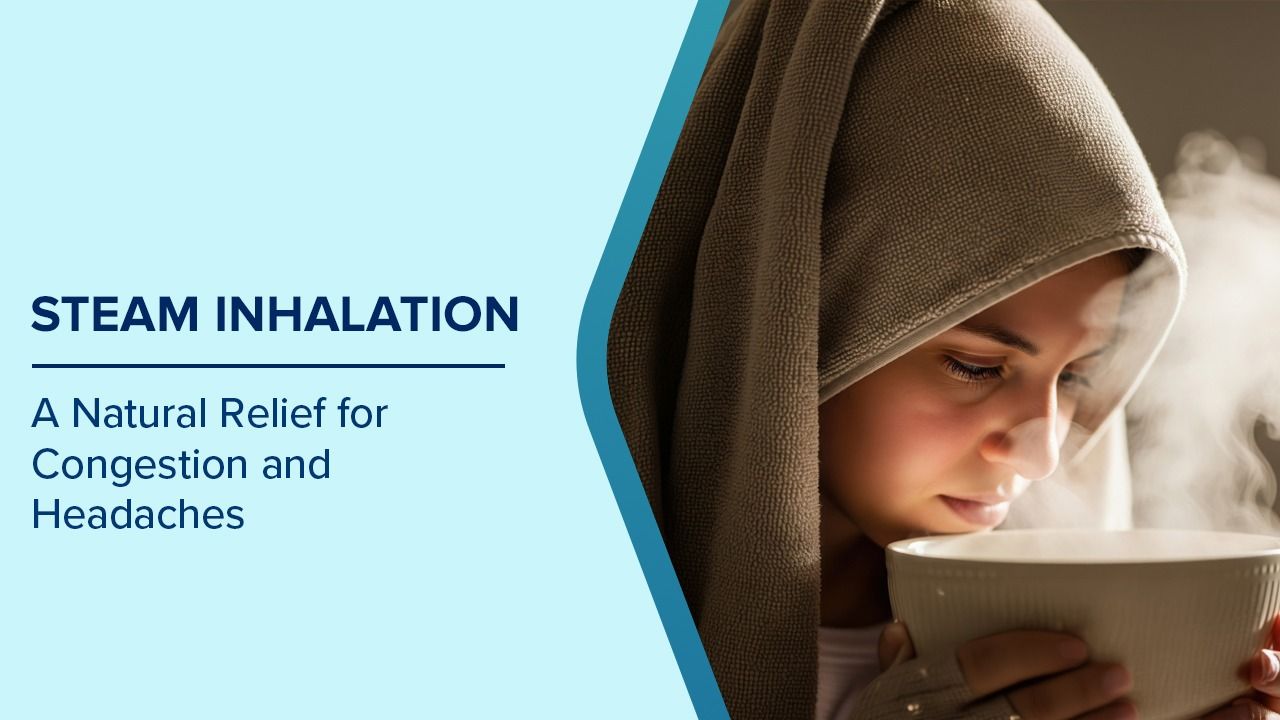
Sit upright in a comfortable chair in front of the bowl. Lean forward slowly and position your face approximately 25 to 30 centimetres above the water, close enough to inhale the steam comfortably, but not so close that the heat feels intense or uncomfortable on your skin.
Step 4 — Create a steam tent
Drape a large towel over the back of your head and allow it to fall on either side of the bowl, creating an enclosed space that traps the steam. This concentrates the warm, moist air and makes the inhalation more effective.
Step 5 — Breathe slowly and steadily
Close your eyes and breathe in slowly and deeply through your nose. Exhale through your mouth. Continue for eight to ten minutes, taking breaks as needed if the heat feels too intense. Take slow, steady breaths while inhaling the steam, as this allows the warm moisture to reach the nasal passages more effectively.
Step 6 — Gently clear your nasal passages afterwards
Once you have finished, gently blow your nose to clear the loosened mucus. Avoid blowing too forcefully, as this can push mucus back into the sinus cavities and cause additional pressure.
How Often Can You Do It?
For adults, steam inhalation can be performed up to two to three times per day during periods of congestion. Each session should last no longer than ten to fifteen minutes. For children, once daily under adult supervision is sufficient.
The Benefits of Steam Inhalation
Steam inhalation has remained a widely recommended home remedy for good reason. When performed correctly and consistently, it offers a range of benefits that make it a valuable addition to everyday respiratory care.
Provides Fast, Natural Relief From Congestion
One of the most immediate benefits of steam inhalation is the relief it provides from nasal blockage. Unlike some oral decongestant medications, which can take time to be absorbed and may cause side effects such as increased heart rate or difficulty sleeping, steam inhalation delivers relief directly to the affected area with no systemic effects on the body.
Helps Relieve Sinus-Related Headaches
By reducing the pressure built up in the sinus cavities, steam inhalation can provide meaningful relief from the dull, persistent headaches that accompany congestion. For many people, a single session is enough to noticeably ease sinus pressure and improve comfort.
Soothes Irritated Airways
Cold, dry air and respiratory infections can leave the airways feeling raw and irritated. The warm moisture of steam inhalation helps hydrate and soothe the mucous membranes lining the nose and throat, reducing that uncomfortable dry, scratchy sensation.
Supports the Body's Natural Healing Process
Steam inhalation does not treat the underlying infection, but it supports the body's own recovery process by keeping the nasal passages moist and promoting drainage. A respiratory system that can drain effectively is better positioned to fight off infection and recover more quickly.
Safe for Most Adults and Children
Unlike many over-the-counter decongestants, steam inhalation carries no risk of medication dependency, drug interactions, or systemic side effects when performed correctly. It is suitable for most adults and children and can be used alongside prescribed medication without concern, though it is always advisable to check with your doctor if you are unsure.
Accessible and Cost-Effective
Steam inhalation requires no prescription, no special equipment, and no significant expense. For most households, everything needed is already available — making it one of the most practical and accessible options for managing everyday respiratory discomfort.
Risks and Precautions
Steam inhalation is generally safe for most people when performed correctly. However, like any home remedy, it carries certain risks if used carelessly or in inappropriate circumstances. Being aware of these precautions helps ensure the practice remains beneficial rather than harmful.
Burns and Scalds
The most common risk associated with steam inhalation is accidental burns — either from the hot water itself or from steam that is too intense. Always allow freshly boiled water to cool for one to two minutes before beginning, and never position your face too close to the bowl. Keep the bowl on a stable, flat surface throughout the session to prevent accidental spillage.
Children Require Close Supervision
Steam inhalation carries a higher risk of burns and scalds in young children, who may not be able to communicate discomfort quickly enough or sit still for the duration of a session. Children should never perform steam inhalation unsupervised. For younger children, a safer alternative is to run a hot shower in a closed bathroom and sit with the child in the steamy room — without placing them near the water source directly.
Not Suitable for Everyone
Steam inhalation is not recommended in the following circumstances:
- Young children under 12 — should only be done under direct adult supervision and with plain water only
- Individuals with asthma — hot steam can potentially trigger bronchospasm in some asthma sufferers; consult your doctor before use
- Individuals with rosacea or sensitive skin — prolonged exposure to steam can aggravate skin conditions affecting the face
- Individuals with epilepsy — the enclosed position and heat may pose additional risks; medical advice should be sought first
- Pregnant women — while steam inhalation is generally considered safe during pregnancy, it is advisable to consult your doctor before use, particularly in the first trimester
Avoid Overuse
Steam inhalation is a supportive measure, not a treatment. Using it excessively, more than two to three times per day, can over-hydrate the nasal mucosa and potentially worsen irritation rather than relieving it. Stick to the recommended frequency and duration outlined in the previous section.
Essential Oils — Use With Care
As noted earlier, essential oils such as eucalyptus and menthol should not be used for children under 6 years of age. Even for adults, essential oils should always be used sparingly — two to three drops is sufficient. Never apply essential oils directly to the skin or ingest them under any circumstances.
When to See a Doctor
Steam inhalation is an effective way to manage mild to moderate congestion and sinus discomfort at home. However, there are circumstances in which these symptoms may indicate a more serious underlying condition that requires medical attention. It is important to recognise when home remedies are no longer sufficient. Seek medical attention if you or your child experience any of the following:
Fever That Is High or Persistent
A mild fever often accompanies a cold or sinus infection and is not immediately cause for concern. However, a fever above 39°C (102.2°F) in adults, or any fever in a child under three months of age, warrants prompt medical review. A fever that persists for more than three days without improvement should also be assessed by a doctor.
Symptoms That Worsen After Several Days
Viral congestion typically begins to improve within five to seven days. If your symptoms are getting noticeably worse rather than better after this period — particularly if you develop increasing facial pain, pressure behind the eyes, or worsening headache — this may indicate a secondary bacterial infection that requires antibiotic treatment.
Thick or Discoloured Mucus
While yellow or green mucus does not always indicate a bacterial infection, mucus that is persistently thick, discoloured, and accompanied by facial pain or pressure may suggest a sinus infection that requires medical evaluation.
Difficulty Breathing
Any significant difficulty breathing — beyond the mild obstruction of a blocked nose — should be assessed promptly. This is particularly important in children, the elderly, and individuals with pre-existing respiratory conditions such as asthma or COPD.
Pain Around the Face or Eyes
Persistent or worsening pain around the cheeks, forehead, or behind the eyes, particularly when accompanied by fever and thick mucus, may indicate sinusitis or another condition that requires medical treatment beyond steam inhalation.
Symptoms in Young Children
Parents and caregivers should be particularly attentive to congestion in infants and very young children, who are unable to blow their own nose and may have difficulty feeding or sleeping as a result. If a young child appears distressed, is breathing rapidly, or is not feeding normally, medical advice should be sought without delay.
Consult a Specialist at Max Hospitals
While steam inhalation can help ease mild congestion and sinus discomfort, persistent or worsening symptoms may indicate an underlying condition that requires medical evaluation. If your congestion, headaches, or breathing difficulties continue despite home remedies, it may be time to seek professional advice. Book an appointment with one of the specialists at Max Hospitals for a thorough evaluation and personalised treatment plan to address the underlying cause and help you recover comfortably.
Frequently Asked Questions
Can steam inhalation help with allergies?
Steam inhalation may help relieve nasal congestion caused by allergies by moistening the nasal passages and loosening mucus. However, it does not treat the underlying allergic response. Individuals with frequent or severe allergy symptoms may require medical treatment to manage inflammation and prevent recurring congestion.
Is steam inhalation helpful for dry nasal passages?
Yes, steam inhalation may provide temporary relief for dry or irritated nasal passages by adding moisture to the airways. Dry indoor environments, air conditioning, or cold weather can sometimes dry out the nasal lining, and warm steam can help restore moisture and comfort.
Can steam inhalation help with a sore throat?
Inhaling warm steam may help soothe throat irritation caused by dry air, coughing, or respiratory infections. The warm moisture can hydrate the mucous membranes in the throat and may temporarily ease discomfort.
Is a steam inhaler better than the bowl method?
Steam inhalers are designed to deliver warm steam in a more controlled manner and may reduce the risk of accidental burns compared to the traditional bowl method. Some people find them more convenient and comfortable, particularly for repeated use.
Can steam inhalation be used alongside other treatments for congestion?
Yes, steam inhalation can often be used alongside other treatments such as saline nasal sprays, prescribed medications, or decongestants. However, it should be considered a supportive measure rather than a substitute for medical treatment when one is required.
Does steam inhalation help with cough caused by congestion?
Steam inhalation may help relieve cough that occurs due to mucus buildup in the nasal passages or throat. By loosening mucus and supporting drainage, it may reduce the irritation that triggers coughing.
Can steam inhalation prevent sinus infections?
Steam inhalation cannot prevent sinus infections, but it may help maintain moisture in the nasal passages and promote drainage during periods of congestion. Good drainage may help reduce the likelihood of mucus buildup that can sometimes lead to infection.
Is steam inhalation helpful during seasonal colds?
Many people use steam inhalation during colds because it can temporarily ease nasal blockage and sinus pressure. While it does not shorten the duration of a cold, it may help improve comfort while the body recovers.
Written and Verified by:

Related Blogs


Dr. Vandana Boobna In Internal Medicine
Nov 08 , 2020 | 2 min read
Blogs by Doctor

What is Anaemia: Symptoms, Causes & Prevention Strategies
Dr. Namrita Singh In Internal Medicine
Jul 29 , 2024 | 3 min read

Typhoid Fever Symptoms, Diagnosis, and Debunking Common Myths
Dr. Namrita Singh In Internal Medicine
Jul 31 , 2024 | 2 min read
Most read Blogs


Related Blogs
Dr. Vandana Boobna In Internal Medicine
Nov 08 , 2020 | 2 min read
Blogs by Doctor
What is Anaemia: Symptoms, Causes & Prevention Strategies
Dr. Namrita Singh In Internal Medicine
Jul 29 , 2024 | 3 min read
Typhoid Fever Symptoms, Diagnosis, and Debunking Common Myths
Dr. Namrita Singh In Internal Medicine
Jul 31 , 2024 | 2 min read
Most read Blogs