 WhatsApp Us (24/7)
 +91 926 888 0303 (24/7)


To Book an Appointment
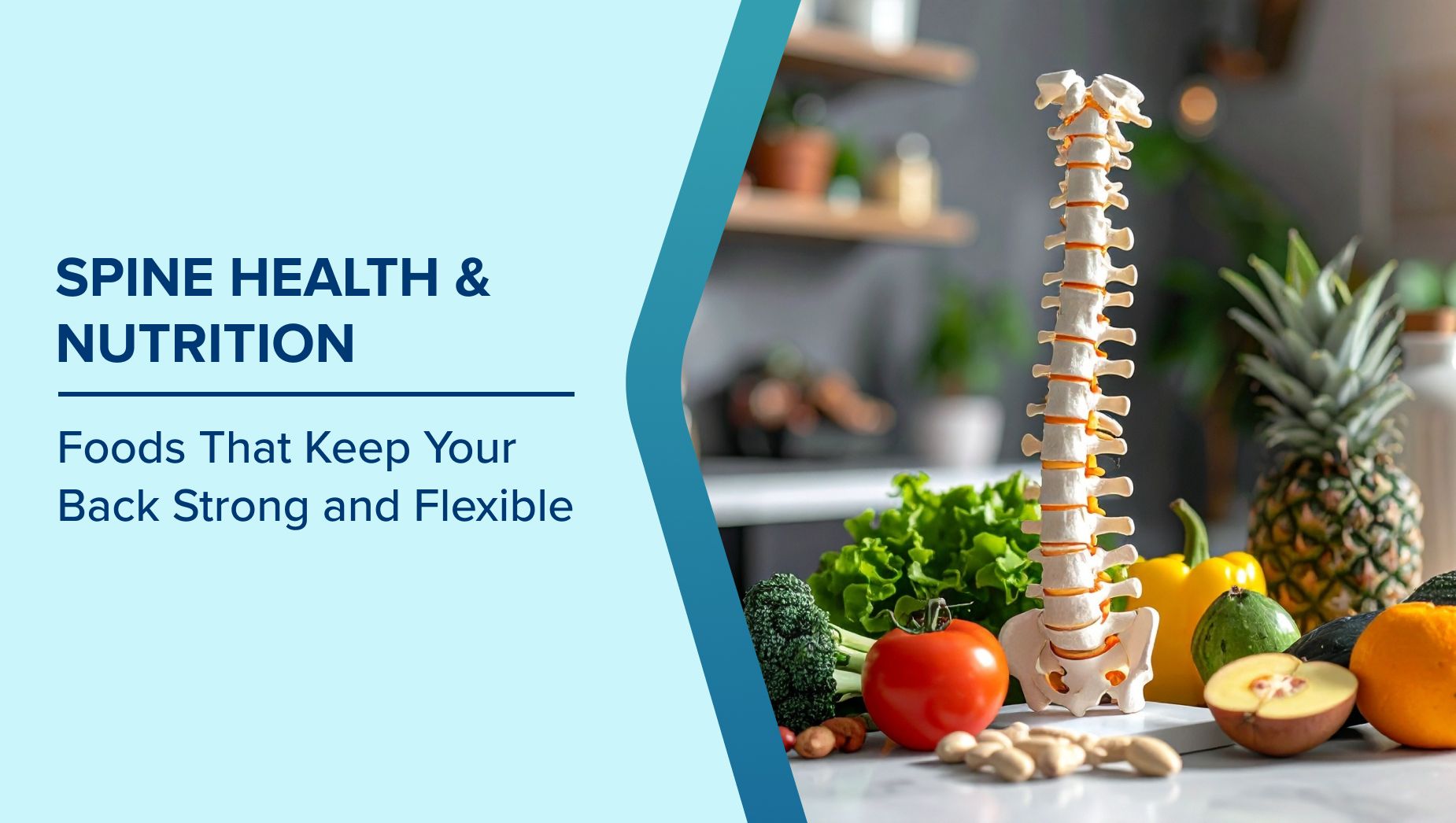
Call Us+91 926 888 0303Spine Health & Nutrition: Foods That Keep Your Back Strong and Flexible
By Dr. Amitabh Goel in Neurosurgery , Neurosciences , Spine Surgery
Oct 27 , 2025 | 4 min read

A strong and flexible spine is essential for daily life, supporting posture, movement, and overall well-being. While exercise and posture play a role in spinal wellness, the food we eat also has a profound impact on our back health.
A balanced, nutrient-rich diet helps maintain bone density, strengthens muscles supporting the spine, reduces inflammation, and promotes flexibility. Understanding which foods benefit the spine, which to limit, and how to incorporate them into daily meals can make a real difference in long-term spinal health.
Why Nutrition Matters for Your Spine
The spine is made up of vertebrae, discs, muscles, ligaments, and nerves. Each of these components relies on specific nutrients to function optimally:
- Bones: Calcium, vitamin D, and protein help maintain strong vertebrae.
- Discs: Hydration and nutrients like vitamin C and collagen support flexibility and cushioning.
- Muscles: Protein, magnesium, and potassium are vital for strength and endurance.
- Nerves: B vitamins help maintain nerve health and reduce discomfort.
Without proper nutrition, the spine becomes more prone to stiffness, pain, and degenerative changes over time. A spine-friendly diet complements healthy lifestyle choices, reducing the risk of chronic back issues.
Key Nutrients for Spine Health
Calcium
Calcium is crucial for strong bones, including the vertebrae that make up your spine. Adequate calcium intake can help prevent bone thinning and reduce the risk of fractures.
Vitamin D
Vitamin D enhances calcium absorption and supports bone strength. Sunlight exposure and foods rich in vitamin D, like fatty fish and fortified dairy, help maintain healthy vertebrae.
Protein
Muscles surrounding the spine require protein for strength and repair. Include lean meats, eggs, dairy, legumes, and nuts to provide the amino acids needed for muscle health.
Magnesium
Magnesium maintains proper muscle function and can help ease back cramps or tension. Good sources include nuts, seeds, leafy green vegetables, and whole grains.
Omega-3 Fatty Acids
These essential fats help combat inflammation, easing spinal stiffness and discomfort. They are present in foods like fatty fish, walnuts, and flaxseeds.
Vitamin C and Collagen
Vitamin C plays a key role in producing collagen, which keeps spinal discs and connective tissues strong. Excellent sources include citrus fruits, berries, and bell peppers.
Potassium
Potassium aids in maintaining fluid balance and supports proper muscle and nerve function, helping to prevent back muscle fatigue and spasms. Foods rich in potassium include bananas, sweet potatoes, and spinach.
Spine-Friendly Foods to Include
Dairy and Fortified Alternatives
Milk, cheese, yoghurt, and plant-based fortified drinks provide calcium and vitamin D, both essential for strong vertebrae.
Leafy Greens
Spinach, kale, and broccoli are packed with calcium, magnesium, and vitamin K, all crucial for bone density and spinal support.
Fatty Fish
Salmon, mackerel, and sardines offer omega-3 fatty acids and vitamin D, helping reduce inflammation around the spine.
Nuts and Seeds
Almonds, walnuts, chia seeds, and flaxseeds provide magnesium, protein, and healthy fats to strengthen muscles supporting the back.
Fruits and Vegetables
Berries, citrus fruits, bell peppers, and sweet potatoes supply antioxidants and vitamins that aid collagen formation and protect connective tissues.
Lean Proteins
Eggs, chicken, tofu, and legumes provide amino acids to maintain strong spinal muscles and prevent fatigue.
Anti-Inflammatory Foods for a Healthy Spine
Chronic inflammation can contribute to stiffness and discomfort. Including anti-inflammatory foods in your diet helps protect your back:
- Turmeric: Contains curcumin, which reduces inflammation.
- Ginger: Promotes circulation and eases joint and muscle stiffness.
- Green Tea: Rich in antioxidants that support overall spinal health.
- Olive Oil: A healthy fat with anti-inflammatory benefits for joints and muscles.
Foods to Limit or Avoid
Certain foods may negatively affect spinal health and contribute to inflammation, weight gain, or decreased bone density:
- Processed foods: High in sugar, unhealthy fats, and sodium, increasing inflammation.
- Excess caffeine: Can reduce calcium absorption if consumed in large amounts.
- Sugary beverages: Provide empty calories and may weaken bone health over time.
- Trans fats: Found in fried and packaged foods and can promote inflammation and stiffness.
Limiting these items while focusing on nutrient-rich, whole foods supports a stronger, healthier spine.
Practical Meal and Snack Ideas for Spine Wellness
- Breakfast: Greek yoghurt with berries, chia seeds, and a drizzle of honey.
- Lunch: Spinach and kale salad with grilled salmon, walnuts, and olive oil dressing.
- Snack: Sliced bell peppers and carrots with hummus or a handful of almonds.
- Dinner: Grilled chicken with sweet potato and steamed broccoli.
- Beverages: Green tea, infused water, or fortified plant-based milk.
Lifestyle Tips That Complement Nutrition
Nutrition alone cannot guarantee spine health. Combining diet with healthy habits improves outcomes:
- Hydration: Drinking adequate water maintains disc health and flexibility.
- Maintain a healthy weight: Reduces unnecessary stress on vertebrae and discs.
- Balanced meals: Ensure meals are rich in vitamins, minerals, protein, and healthy fats.
- Regular movement: Gentle stretching and mobility exercises complement nutrition by keeping muscles flexible and strong.
Conclusion
Your spine is the backbone of your mobility and overall well-being. By consciously including nutrient-rich foods, focusing on anti-inflammatory options, and avoiding harmful dietary habits, you can support strong, flexible, and healthy back structures. Pairing proper nutrition with a healthy lifestyle ensures your spine remains resilient, reducing the risk of discomfort and promoting long-term wellness. Mindful eating is an investment in the strength and flexibility of your spine for years to come.
FAQs
Can eating more calcium-rich foods prevent back pain?
Calcium supports strong bones, which can help reduce the risk of vertebral fractures and maintain spinal strength, though it is most effective when combined with other nutrients and lifestyle habits.
Are plant-based sources enough for spine nutrition?
Yes, leafy greens, nuts, seeds, legumes, and fortified plant-based drinks provide essential vitamins and minerals for spinal health when consumed in a balanced diet.
How does hydration impact spinal discs?
Proper hydration keeps spinal discs plump and flexible, cushioning vertebrae and reducing stiffness.
Can anti-inflammatory foods improve flexibility?
Including anti-inflammatory foods may reduce muscle tension and joint discomfort, supporting smoother spinal movement.
Is protein important for a healthy back?
Protein helps maintain and repair muscles that support the spine, improving strength and reducing fatigue.
Do healthy fats play a role in spine health?
Omega-3 and other healthy fats reduce inflammation in muscles and joints, promoting comfort and mobility.
Written and Verified by:

Related Blogs

Dr. Sanjeev Kumar Gupta In Neurosurgery , Neurosciences
Jun 30 , 2016 | 2 min read

Dr. Sonal Gupta In Neurosurgery , Neurosciences
Jul 20 , 2016 | 2 min read
Blogs by Doctor


Head Injury: Symptoms, Causes & When to Call for Emergency Help
Dr. Amitabh Goel In Neurosurgery , Neurosciences
Jan 27 , 2025 | 7 min read
Most read Blogs


Related Blogs
Dr. Sanjeev Kumar Gupta In Neurosurgery , Neurosciences
Jun 30 , 2016 | 2 min read
Dr. Sonal Gupta In Neurosurgery , Neurosciences
Jul 20 , 2016 | 2 min read
Blogs by Doctor
Head Injury: Symptoms, Causes & When to Call for Emergency Help
Dr. Amitabh Goel In Neurosurgery , Neurosciences
Jan 27 , 2025 | 7 min read
Most read Blogs