 WhatsApp Us (24/7)
 +91 926 888 0303 (24/7)


To Book an Appointment
Call Us+91 926 888 0303Signs of Kidney Problems in Women: Risks & Prevention
By Dr. Alka Bhasin in Nephrology
Apr 28 , 2026

Kidney health is essential for every woman, yet women face unique risks throughout their lives. Hormonal changes, pregnancy, and lifestyle factors such as work stress and sedentary habits can all influence kidney function. Early detection of kidney problems and proactive lifestyle measures can prevent long-term complications like chronic kidney disease (CKD), hypertension, and proteinuria. Understanding warning signs and adopting healthy habits are especially important for working women managing stress and irregular routines, as well as for pregnant women whose kidneys undergo significant physiological changes.
Why Kidney Health Is Crucial for Women
The kidneys are vital organs responsible for filtering waste, balancing electrolytes, regulating blood pressure, and maintaining overall homeostasis. Female kidney physiology differs from that of men, with a smaller kidney size and hormonal influences affecting function. Healthy kidneys are essential for reproductive health, cardiovascular stability, and pregnancy outcomes. Any compromise in kidney function can increase risks for preeclampsia, hypertension, and complications during pregnancy. Maintaining kidney health is therefore not only about preventing CKD but also about safeguarding long-term wellness for women.
Common Kidney Health Issues in Women
Women are susceptible to certain kidney-related problems due to anatomy, hormones, and life stages. Common issues include:
- Urinary Tract Infections (UTIs): More frequent in women due to a shorter urethra. Untreated infections can progress to kidney infections.
- Kidney Stones: Women are increasingly affected, often linked to dehydration and dietary factors.
- Chronic Kidney Disease (CKD): Gradual loss of kidney function; early detection is critical.
- Pregnancy-Related Kidney Problems: Preeclampsia, gestational hypertension, and proteinuria can signal kidney stress during pregnancy.
- Medication-Induced Kidney Damage: NSAIDs, certain antibiotics, and other nephrotoxic drugs may harm kidney function if used excessively.
Kidney Health Concerns for Working Women
Working women often juggle multiple responsibilities, which can indirectly affect kidney health:
- Sedentary Lifestyle and Poor Hydration: Desk jobs may reduce fluid intake and physical activity, leading to kidney stress and a higher risk of stones.
- High Stress Levels: Chronic stress can raise blood pressure, affecting glomerular filtration rate (GFR).
- Irregular Meals and Excess Salt Intake: Unbalanced diets can increase kidney workload and risk of hypertension.
- Importance of Regular Check-Ups: Periodic evaluation of kidney function, including creatinine and eGFR, helps detect early changes.
Kidney Health During Pregnancy
Pregnancy places extra demands on the kidneys:
- Physiological Changes: Blood volume increases, renal filtration rate rises, and the urinary tract adapts to accommodate pregnancy.
- Preeclampsia and Gestational Hypertension: These conditions can affect kidney function and require close monitoring.
- Proteinuria: The presence of protein in urine may indicate kidney stress or damage.
- Prenatal Care: Routine screenings for kidney function are essential to prevent maternal and fetal complications.
Signs of Kidney Problems Women Should Watch For
Early detection is key. Women should be attentive to:
- Swelling: Hands, feet, or facial puffiness may signal fluid retention.
- Fatigue and Weakness: Reduced kidney function can lead to anaemia and fatigue.
- Changes in Urination: Frequency, colour, or foamy urine may indicate kidney stress.
- High Blood Pressure: Persistent hypertension can be both a cause and effect of kidney disease.
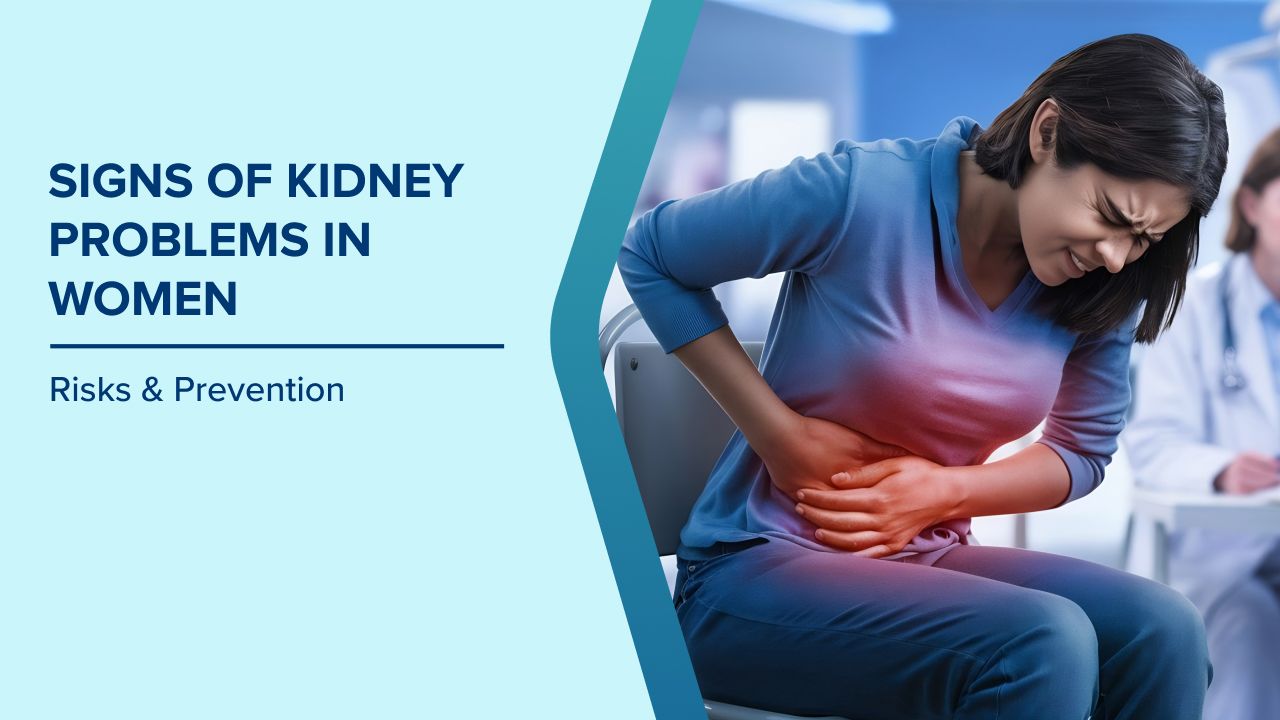
- Lower Back or Side Pain: Can indicate kidney stones or infection.
Lifestyle Measures to Protect Kidney Health
Practical lifestyle changes can significantly reduce kidney disease risk:
- Maintain Hydration: Drink adequate water to support urine flow and prevent stones.
- Balanced, Low-Salt Diet: Emphasise fruits, vegetables, and whole grains; limit sodium and processed foods.
- Regular Exercise: Supports cardiovascular health and reduces the risk of hypertension.
- Monitor Blood Pressure and Blood Sugar: Essential for women with diabetes or preexisting conditions.
- Avoid Overuse of Painkillers: NSAIDs and other nephrotoxic drugs can harm the kidneys if used excessively.
- Timely Treatment of UTIs: Early management prevents infections from reaching the kidneys.
Screening and Regular Check-Ups
Routine evaluation helps detect kidney issues early:
- Blood Tests: Serum creatinine and estimated GFR assess kidney function.
- Urine Tests: Protein, microalbumin, or urinalysis detect early kidney damage.
- Blood Pressure Monitoring: Regular checks are critical, especially for working women and pregnant women.
- Pregnancy-Specific Screening: Includes monitoring for proteinuria, hypertension, and preeclampsia.
Special Considerations
Certain women require extra vigilance:
- Women with Diabetes or Hypertension: Higher CKD risk requires tighter control of blood sugar and pressure.
- Family History: Genetics may predispose women to kidney disease.
- Fertility and Pregnancy Planning: Preconception kidney health assessment is recommended.
- Postpartum Monitoring: Pregnancy can leave residual effects on kidney function; follow-up is essential.
Conclusion
Women face unique challenges in maintaining kidney health, from reproductive and hormonal factors to lifestyle and work-related stress. Awareness of common kidney problems, recognising warning signs, and adopting preventive strategies can significantly reduce the risk of chronic kidney disease and other complications. Regular check-ups, proper hydration, a balanced diet, and timely management of infections and chronic conditions empower women to protect their kidneys. Pregnant and working women must pay extra attention to these measures, as early detection and lifestyle choices can help preserve kidney function and overall well-being. Prioritising kidney health today ensures long-term quality of life for every woman.
Frequently Asked Questions
Can kidney disease affect fertility in women?
Yes, CKD can disrupt menstrual cycles and hormone balance, affecting fertility. Early intervention and disease management can help preserve reproductive potential.
How often should working women get kidney function tests?
For healthy women, annual check-ups are sufficient. Women with risk factors like hypertension, diabetes, or family history may need testing every 6–12 months.
Does hormonal contraception impact kidney health?
Most hormonal contraceptives are safe for kidney function. Women with preexisting kidney issues should discuss options with their doctor.
Can UTIs during pregnancy cause permanent kidney damage?
If treated promptly, UTIs rarely cause permanent harm. Untreated infections can progress to pyelonephritis, which may affect kidney function.
Are kidney stones more common in women or men?
Historically more common in men, kidney stones are increasingly seen in women, often linked to dietary factors, dehydration, and urinary tract infections.
Can lifestyle changes reverse early-stage CKD in women?
Early-stage CKD can often be managed and progression slowed with proper hydration, diet, blood pressure control, and treatment of underlying conditions.
Written and Verified by:

Related Blogs

Dr. Puneet Arora In Nephrology
Nov 11 , 2020 | 2 min read

Nov 11 , 2020 | 9 min read
Blogs by Doctor
Getting to Know Your Kidney’s Working Efficiency
Nov 11 , 2020 | 9 min read

Recurrent Urinary Infections– Seek Help of a Nephrologist!
Nov 11 , 2020 | 1 min read
Most read Blogs


Related Blogs
Dr. Puneet Arora In Nephrology
Nov 11 , 2020 | 2 min read
Nov 11 , 2020 | 9 min read
Blogs by Doctor
Getting to Know Your Kidney’s Working Efficiency
Nov 11 , 2020 | 9 min read
Recurrent Urinary Infections– Seek Help of a Nephrologist!
Nov 11 , 2020 | 1 min read
Most read Blogs