 WhatsApp Us (24/7)
 +91 926 888 0303 (24/7)


To Book an Appointment
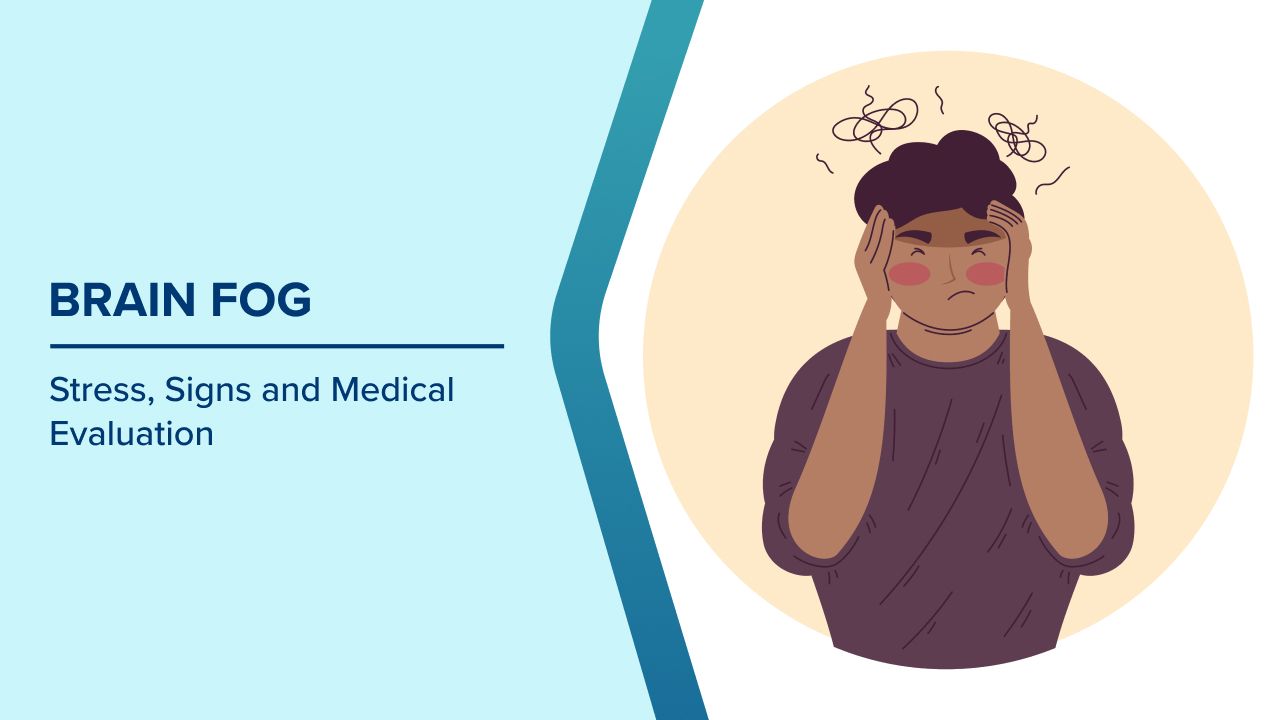
Call Us+91 926 888 0303Brain Fog: Stress, Signs and Medical Evaluation
By Dr. Manoj Khanal in Neurosciences , Interventional Neurology , Neurology
Jun 24 , 2026

You walk into a room and forget why you went there. You struggle to find the right words during a conversation. Tasks that would normally take a few minutes suddenly feel mentally exhausting. If this sounds familiar, you may have experienced brain fog.
Brain fog is not a disease on its own, but it can affect how clearly you think, remember information, and stay focused. For many people, periods of stress, emotional strain, or lack of rest are the most common triggers. However, persistent mental cloudiness can sometimes point to an underlying health issue that deserves attention.
Understanding the difference between stress-related brain fog and symptoms that may require medical evaluation can help you take the right steps towards better cognitive health.
What Does Brain Fog Feel Like?
Brain fog is often described as a feeling of mental sluggishness. It can make everyday activities seem more difficult than usual, even when there is no obvious reason.
People experiencing brain fog may notice:
- Difficulty concentrating on tasks
- Forgetting appointments, names, or recent conversations
- Feeling mentally slow or easily distracted
- Struggling to organise thoughts
- Reduced productivity at work or school
- Difficulty finding the right words while speaking
- Feeling mentally tired despite adequate rest
The experience can vary from person to person. Some people notice occasional lapses in concentration, while others feel as though their thinking is clouded for weeks or months.
Why Stress Often Sits at the Centre of Brain Fog
Modern life places constant demands on the brain. Deadlines, financial concerns, family responsibilities, and emotional challenges can keep the mind in a state of continuous alertness.
When stress becomes prolonged, the brain may have difficulty functioning at its best.
Mental Overload Affects Focus
The brain has a limited capacity to process information at any given time. When multiple worries compete for attention, concentrating on a single task becomes harder.
This can lead to:
- Frequent distractions
- Difficulty completing tasks
- Reduced attention span
- Increased forgetfulness
Emotional Exhaustion Can Slow Thinking
Stress is not always physical. Emotional burdens such as grief, relationship difficulties, workplace pressures, or caregiving responsibilities can leave the brain feeling drained.
Many people describe this as feeling mentally "switched on" yet unable to think clearly.
Burnout Often Mimics Cognitive Problems
Burnout develops gradually and can affect both mental and physical wellbeing. Along with fatigue, people may experience:
- Poor concentration
- Memory lapses
- Reduced motivation
- Difficulty making decisions
In these situations, brain fog is often a sign that the mind needs recovery rather than a sign of a neurological disorder.
When Lifestyle Habits May Be Contributing
Sometimes the cause of brain fog is not stress alone but a combination of everyday factors that place extra strain on the brain.
Inconsistent Sleep
Even if you spend enough hours in bed, poor-quality sleep can affect memory, attention, and mental clarity.
Interrupted sleep, irregular sleep schedules, and sleep disorders can all contribute to cognitive difficulties.
Skipping Meals or Poor Nutrition
The brain relies on a steady supply of nutrients and energy. Irregular eating patterns or diets lacking essential nutrients may leave you feeling mentally sluggish.
People often notice increased brain fog during periods of:
- Restrictive dieting
- Poor appetite
- Frequent meal skipping
- Unbalanced nutrition
Dehydration
Many people underestimate how much hydration affects cognitive function. Even mild dehydration can lead to difficulty concentrating, headaches, and reduced alertness.
Lack of Downtime
A packed schedule with little opportunity for rest can leave the brain in a constant state of activity. Without periods of recovery, mental fatigue can gradually build up.
Could an Underlying Medical Condition Be Responsible?
Although stress and lifestyle factors are common causes, persistent brain fog can sometimes be linked to an underlying health issue.
Hormonal Changes
Fluctuations in hormone levels can influence memory, concentration, and mood.
Brain fog is commonly reported during:
- Menopause
- Perimenopause
- Thyroid disorders
- Pregnancy and the postpartum period
Nutritional Deficiencies
Certain vitamin and mineral deficiencies can affect cognitive function.
Examples include:
- Vitamin B12 deficiency
- Iron deficiency
- Vitamin D deficiency
These conditions can sometimes develop gradually, making symptoms easy to overlook.
Autoimmune and Inflammatory Conditions
Some chronic illnesses may affect how the brain processes information.
People with autoimmune disorders may experience episodes of mental cloudiness alongside other physical symptoms such as fatigue, joint pain, or weakness.
Recovery After Illness
Many people notice temporary cognitive difficulties following infections. Even after physical symptoms improve, concentration and mental stamina may take time to return to normal.
Signs That Brain Fog May Need Medical Attention
Occasional forgetfulness during stressful periods is common. However, certain symptoms should not be ignored.
Consider seeking medical advice if brain fog:
- Persists for several weeks or months
- Continues despite adequate sleep and stress management
- Interferes with work, studies, or daily activities
- Appears suddenly without a clear cause
- Is progressively worsening
Additional symptoms that warrant prompt evaluation include:
- Frequent confusion
- Significant memory loss
- Changes in speech
- Persistent headaches
- Vision changes
- Balance problems
- Weakness or numbness
- Unexplained behavioural changes
These symptoms do not necessarily mean a serious condition is present, but they should be assessed by a healthcare professional.
How Doctors Investigate Persistent Brain Fog
Because brain fog can have many possible causes, diagnosis often begins with a detailed discussion about symptoms, medical history, lifestyle, and current medications.
Depending on the situation, investigations may include:
- Blood tests
- Thyroid function testing
- Nutritional assessments
- Sleep evaluations
- Hormonal assessments
- Neurological examination
The goal is not simply to treat the symptom but to identify what may be contributing to it.
Practical Ways to Improve Mental Clarity
Simple daily habits can help reduce brain fog and improve focus:
- Avoid multitasking: Concentrate on one task at a time to reduce mental fatigue.
- Take regular breaks: A short walk, time outdoors, or a few minutes away from screens can help refresh the mind.
- Stay physically active: Regular movement, such as walking, cycling, or yoga, supports brain function and mental clarity.
- Follow a routine: Consistent sleep, meal, and activity schedules help the brain perform more efficiently.
- Manage stress: Addressing ongoing stress or anxiety can improve concentration and reduce cognitive symptoms. Professional support may be helpful if symptoms persist.
Conclusion
Brain fog can be frustrating, especially when it affects work, relationships, and daily responsibilities. While stress is one of the most common reasons people experience mental cloudiness, it is not the only explanation.
Listening to your body, recognising patterns in your symptoms, and seeking medical advice when concerns persist can help uncover the underlying cause. Whether the issue stems from stress, lifestyle habits, hormonal changes, or a medical condition, addressing it early can support clearer thinking and better overall wellbeing.
Frequently Asked Questions
Can brain fog come and go throughout the day?
Yes, some people notice that symptoms are worse during periods of fatigue, stress, or prolonged mental effort and improve after rest or relaxation.
Can certain medications make brain fog worse?
Yes, some medications may affect concentration, alertness, or memory as a side effect. If symptoms begin after starting a new medication, discuss this with your doctor.
Is brain fog common after major life events?
Yes, significant life changes such as bereavement, moving home, career transitions, or caring for a loved one can place emotional strain on the brain and contribute to temporary cognitive difficulties.
Can caffeine help brain fog?
Caffeine may improve alertness temporarily, but relying on it excessively can sometimes worsen sleep quality and contribute to ongoing mental fatigue.
Does age automatically cause brain fog?
Not necessarily. While certain cognitive changes may occur with ageing, persistent brain fog should not be dismissed as a normal part of getting older and may warrant medical evaluation.
Written and Verified by:

Related Blogs

Dr. Chandril Chugh In Neurosciences , Interventional Neurology
Nov 08 , 2020 | 1 min read

Dr. Chandril Chugh In Neurosciences , Interventional Neurology
Nov 08 , 2020 | 2 min read
Blogs by Doctor

Monsoon Maladies - Most Common Diseases
Dr. Manoj Khanal In Neuro Oncology
Jun 27 , 2014 | 1 min read

Feeling Numbness? It Could be A Stroke- Beware!
Dr. Manoj Khanal In Neurosciences
Sep 02 , 2016 | 3 min read
Most read Blogs


Related Blogs
Dr. Chandril Chugh In Neurosciences , Interventional Neurology
Nov 08 , 2020 | 1 min read
Dr. Chandril Chugh In Neurosciences , Interventional Neurology
Nov 08 , 2020 | 2 min read
Blogs by Doctor
Monsoon Maladies - Most Common Diseases
Dr. Manoj Khanal In Neuro Oncology
Jun 27 , 2014 | 1 min read
Feeling Numbness? It Could be A Stroke- Beware!
Dr. Manoj Khanal In Neurosciences
Sep 02 , 2016 | 3 min read
Most read Blogs