 WhatsApp Us (24/7)
 +91 926 888 0303 (24/7)


To Book an Appointment
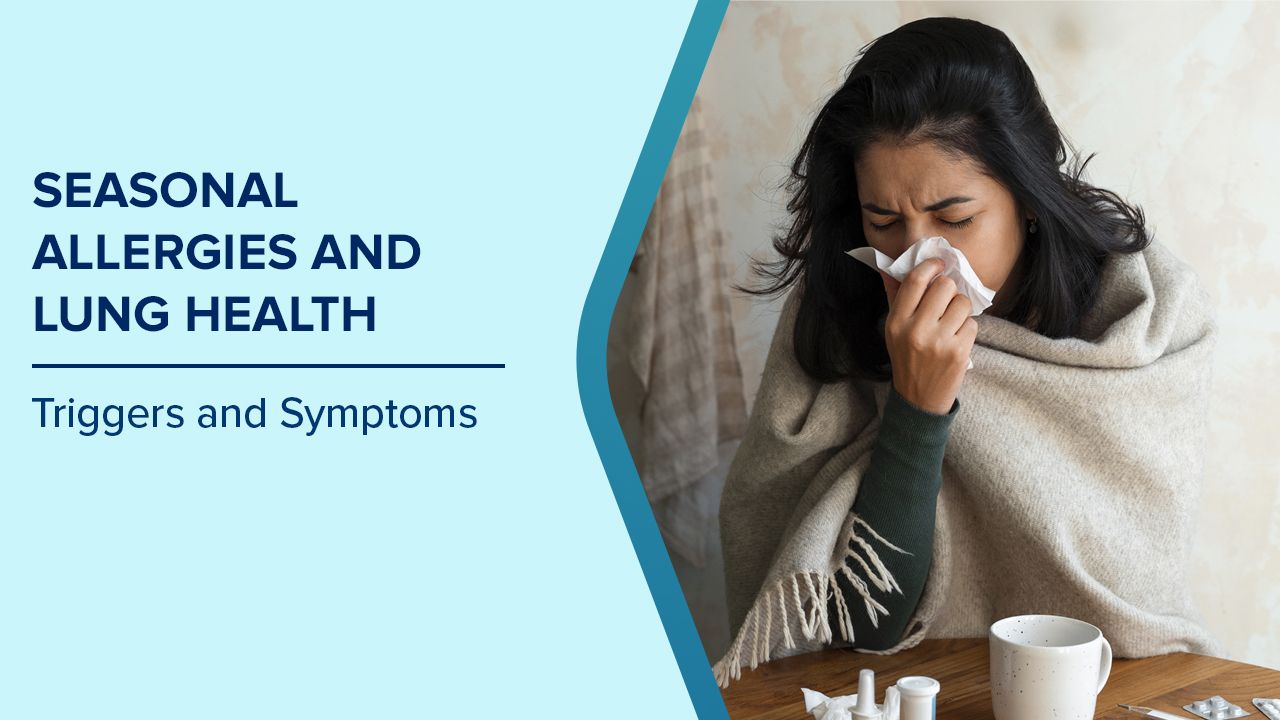
Call Us+91 926 888 0303Seasonal Allergies and Lung Health: Triggers and Symptoms
By Medical Expert Team
May 04 , 2026

Seasonal changes bring a noticeable shift in the environment. Variations in temperature, humidity, air quality, and airborne particles can influence how the body responds, particularly the respiratory system. For many individuals, these transitions are closely linked with the onset or worsening of allergies.
While allergies are often related with symptoms like sneezing, a runny nose, or itchy eyes, their impact on the lungs is equally important. The respiratory system is highly sensitive to environmental triggers, and seasonal changes can lead to inflammation, airway irritation, and breathing discomfort. Understanding how these changes affect lung health can help you take timely and practical steps to manage symptoms effectively.
What Happens to Your Lungs During Seasonal Changes
The lungs are constantly exposed to the air you breathe. When environmental conditions shift, the quality and composition of this air also change.
During seasonal transitions:
- The number of airborne allergens increases
- Air becomes either too dry or excessively humid
- Pollutant levels may fluctuate
- Temperature changes can irritate the airways
These factors can make the airways more sensitive and reactive. In individuals prone to allergies, the immune system responds more strongly, leading to inflammation within the respiratory tract.
This inflammation narrows the airways and increases mucus production, making breathing feel more difficult or uncomfortable.
Read More: Allergic Conjunctivitis: Causes, Symptoms and Treatment Options
Common Seasonal Triggers That Affect Lung Health
Pollen Exposure
Different plants release pollen at different times of the year. These microscopic particles can easily enter the respiratory system and trigger an immune response.
When inhaled, pollen can:
- Irritate the lining of the airways
- Cause inflammation
- Lead to coughing or breathing discomfort
Dust and Indoor Allergens
Seasonal changes often alter indoor environments as well. Closed spaces, reduced ventilation, and accumulated dust can increase exposure to indoor allergens.
Common indoor triggers include:
- Dust particles
- Fabric fibres
- Indoor pollutants
These can aggravate lung sensitivity, especially in individuals spending more time indoors.
Humidity and Dampness
High humidity creates an environment where mould and other allergens can thrive. On the other hand, very dry air can irritate the airways.
Both extremes can:
- Increase airway sensitivity
- Trigger coughing or throat irritation
- Worsen breathing discomfort
Air Pollution
Seasonal shifts can influence pollution levels. In many regions, colder months or transitional weather can lead to increased air pollution.
Polluted air can:
- Irritate the lung tissue
- Increase inflammation
- Make existing respiratory conditions worse
Sudden Temperature Changes
Rapid changes between warm and cold environments can affect airway function.
Cold air, in particular:
- Causes tightening of the airways
- Leads to shortness of breath in sensitive individuals
- Triggers coughing or chest discomfort
How Allergies Affect the Lungs
Allergies are not limited to the nose or skin. When allergens enter the respiratory system, they can directly affect lung function.
Airway Inflammation
The immune system treats allergens as harmful, even when they are not. This response leads to inflammation in the airways, making them narrower.
Increased Mucus Production
The lungs produce more mucus to trap and remove allergens. However, excess mucus can:
- Block airflow
- Cause a feeling of congestion in the chest
Airway Hyperreactivity
Sensitive airways may overreact to even mild triggers. This can lead to:
- Frequent coughing
- Tightness in the chest
- Difficulty breathing
Symptoms That Indicate Lung Involvement
Seasonal allergies affecting the lungs may present differently from typical nasal symptoms.
Watch for:
- Persistent dry or productive cough
- Wheezing or whistling sound while breathing
- Shortness of breath during routine activities
- Chest tightness or discomfort
- Increased fatigue due to breathing difficulty
These symptoms may appear gradually or worsen during specific times of the day or season.
Who Is More Vulnerable to Seasonal Lung Allergies
Certain individuals are more likely to experience lung-related symptoms during seasonal changes.
People with Pre-existing Respiratory Conditions
Individuals with conditions such as Asthma or Chronic Obstructive Pulmonary Disease are more sensitive to environmental triggers.
Children
Developing lungs are more reactive to allergens and pollution.
Older Adults
Age-related changes in lung function can increase sensitivity.
Individuals with Allergic Tendencies
Those with a history of allergies are more likely to experience respiratory involvement.
Why Seasonal Allergies Can Feel Worse Over Time
Repeated exposure to allergens can gradually increase sensitivity. Over time:
- The immune response may become stronger
- Symptoms may appear more quickly
- Even mild triggers can cause noticeable discomfort
This is why some individuals feel that their allergies worsen each year, especially if preventive measures are inconsistent.
Practical Ways to Protect Your Lungs During Seasonal Changes
Monitor Environmental Conditions
Being aware of pollen levels, pollution, and weather changes helps you plan your day better.
- Limit outdoor exposure during high-risk periods
- Stay informed about air quality levels
Improve Indoor Air Quality
Since a significant amount of time is spent indoors, maintaining clean air inside the home is essential.
- Ensure proper ventilation
- Reduce dust accumulation
- Keep living spaces dry and well-maintained
Maintain Consistent Hydration
Adequate fluid intake helps keep mucus thin and easier to clear from the airways.
Use Protective Measures When Needed
Simple precautions can reduce exposure:
- Covering the nose and mouth in high-pollution areas
- Avoiding direct exposure to strong environmental triggers
Follow a Routine That Supports Respiratory Health
Consistency plays a key role in managing seasonal allergies.
- Maintain regular sleep patterns
- Include light physical activity
- Avoid sudden exposure to extreme temperatures
When to Seek Medical Attention
While mild symptoms can often be managed with basic precautions, certain signs require medical evaluation.
Seek medical advice if:
- Breathing difficulty increases
- Symptoms persist despite precautions
- There is frequent wheezing or chest tightness
- Daily activities are affected
Early assessment helps identify whether the symptoms are due to allergies or an underlying respiratory condition.
Long-Term Impact on Lung Health
If seasonal allergies affecting the lungs are not managed properly, they can lead to:
- Persistent airway inflammation
- Reduced lung efficiency
- Increased sensitivity to environmental triggers
Over time, this can affect overall respiratory comfort and quality of life.
Taking preventive steps early helps protect lung function and reduces the risk of long-term complications.
Conclusion
Seasonal changes can significantly influence how your lungs function, especially if you are prone to allergies. While the symptoms may begin mildly, they can affect breathing comfort and overall well-being if not managed properly.
By understanding the connection between environmental triggers and lung health, you can take simple, consistent steps to reduce exposure and support your respiratory system. Paying attention to early signs, maintaining a healthy indoor environment, and seeking timely medical advice when needed can make a meaningful difference.
Protecting your lungs during seasonal transitions is not about major changes, but about small, informed actions that support long-term respiratory health.
Frequently Asked Questions
1. Can seasonal allergies affect the lungs even without nasal symptoms?
Yes, some individuals may primarily experience respiratory symptoms such as cough or chest discomfort without significant nasal symptoms.
2. Why do breathing issues worsen during seasonal changes?
Changes in air quality, temperature, and allergen levels can increase airway sensitivity, leading to inflammation and breathing discomfort.
3. Can indoor air also trigger seasonal lung allergies?
Yes, indoor allergens such as dust and dampness can worsen symptoms, especially when ventilation is limited.
4. Are seasonal lung allergies temporary?
Symptoms may reduce when the season changes, but repeated exposure can increase sensitivity over time.
5. Can mild symptoms become serious if ignored?
Yes, untreated inflammation can worsen and affect lung function, especially in individuals with existing respiratory conditions.
Related Blogs

Medical Expert Team
Jun 06 , 2015 | 2 min read

Blogs by Doctor

10 Surprising Facts About Obstructive Sleep Apnea (OSA)
Dr. Inder Mohan Chugh In Pulmonology
Nov 08 , 2020 | 3 min read

World COPD Day - All you need to know about COPD
Dr. Inder Mohan Chugh In Pulmonology
Nov 14 , 2016 | 2 min read
Most read Blogs


Related Blogs
Medical Expert Team
Jun 06 , 2015 | 2 min read
Blogs by Doctor
10 Surprising Facts About Obstructive Sleep Apnea (OSA)
Dr. Inder Mohan Chugh In Pulmonology
Nov 08 , 2020 | 3 min read
World COPD Day - All you need to know about COPD
Dr. Inder Mohan Chugh In Pulmonology
Nov 14 , 2016 | 2 min read
Most read Blogs