 WhatsApp Us (24/7)
 +91 926 888 0303 (24/7)


To Book an Appointment
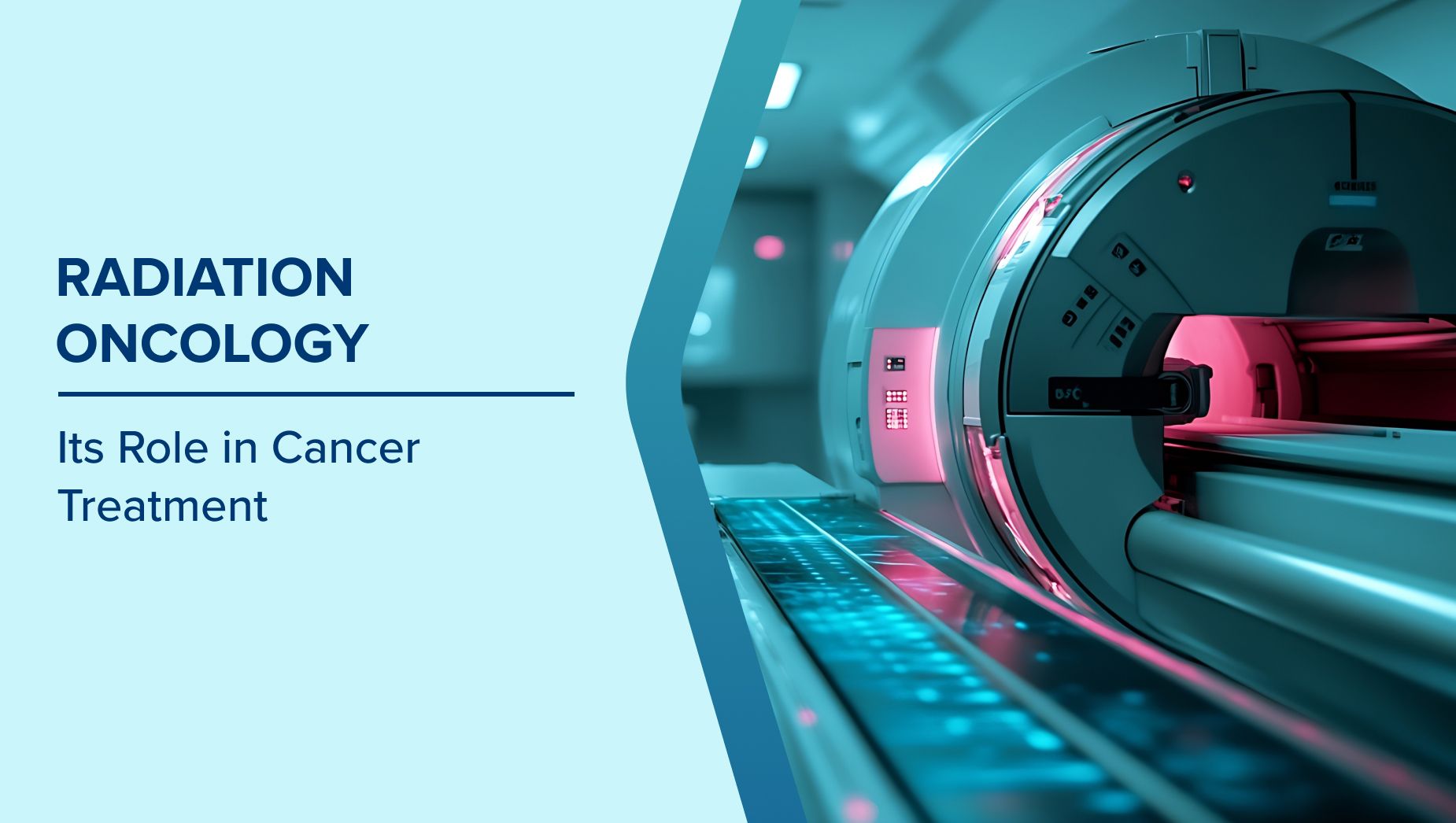
Call Us+91 926 888 0303Radiation Oncology: Its Role in Cancer Treatment
By Dr Shizan Pervez in Radiation Oncology , Cancer Care / Oncology
Oct 23 , 2025 | 5 min read

Cancer affects millions of lives globally, and advances in medical science have made its treatment more precise and effective than ever before. Among the key pillars of modern cancer care is radiation oncology, a specialised branch that uses targeted radiation to destroy cancer cells. Unlike chemotherapy or surgery, radiation therapy focuses on specific areas, minimising damage to surrounding healthy tissue.
Understanding how radiation oncology works, its benefits, and what patients can expect is essential for those navigating cancer treatment. Let’s explore the types of radiation therapy, the role of the radiation oncologist, technological advancements, and practical guidance for patients and families.
Understanding Radiation Oncology
Radiation oncology is the branch of medicine that uses high-energy radiation to treat cancer. The primary goal is to target and destroy cancer cells while sparing healthy tissues. Radiation damages the DNA of cancer cells, preventing them from dividing and growing. Over time, the body clears the damaged cells naturally.
Unlike traditional cancer treatments, radiation therapy can be tailored to the tumour's size, shape, and location. It works alongside surgery, chemotherapy, and immunotherapy, forming a comprehensive cancer care plan. Precision techniques and advanced imaging ensure that therapy is effective and safe, even for sensitive organs.
Types of Radiation Therapy
Different types of radiation therapy are used depending on the tumour's characteristics and patient needs:
External Beam Radiation Therapy (EBRT): Delivered from a machine outside the body, EBRT focuses beams on the tumour. It is commonly used for cancers in the breast, prostate, lung, and head and neck.
Internal Radiation Therapy (Brachytherapy): This involves placing radioactive sources directly inside or near the tumour. Brachytherapy allows high doses in a confined area, reducing exposure to nearby healthy tissue.
Stereotactic Radiosurgery and Radiotherapy: Highly precise techniques that deliver concentrated radiation to small or complex tumours, often in the brain or lungs. Despite the name, stereotactic radiosurgery is non-invasive.
Proton Therapy and Other Advanced Modalities: Proton therapy uses charged particles for treatment. It delivers radiation with remarkable precision, sparing surrounding organs and tissues. It is particularly valuable for paediatric cancers and tumours near critical structures.
The Role of the Radiation Oncologist
A radiation oncologist is a specialist who manages the planning, delivery, and monitoring of radiation therapy. Their responsibilities include:
- Assessing the tumour and determining the appropriate type and dosage of radiation.
- Collaborating with surgeons, medical oncologists, and radiologists to create a comprehensive treatment plan.
- Ensuring patient comfort and safety throughout the therapy process.
- Adjusting treatment plans if there are changes in tumour size or patient health.
Radiation oncologists provide guidance on managing side effects, coordinate follow-ups, and educate patients on what to expect during therapy.
The Radiation Therapy Process
Radiation therapy involves multiple carefully planned steps to maximise effectiveness:
Consultation: The oncologist reviews the patient’s medical history, imaging scans, and overall health to recommend the best treatment approach.
Treatment Planning: Advanced imaging, including CT or MRI scans, helps map the tumour. A personalized plan ensures that the radiation precisely targets cancer cells.
Simulation: This preparatory stage marks the exact location for treatment. It may involve using masks or cushions to keep the patient still.
Treatment Delivery: Radiation sessions are typically painless. Patients lie on a table while machines deliver radiation from different angles. The frequency and duration depend on the type of cancer and therapy.
Follow-up: After completing therapy, regular check-ups monitor progress, side effects, and recovery. Adjustments are made if necessary.
Benefits of Radiation Oncology in Cancer Treatment
Radiation oncology provides several advantages in cancer care:
- Tumour Control: It effectively shrinks or eliminates tumours, even in hard-to-reach areas.
- Symptom Relief: In advanced cancers, radiation alleviates pain, bleeding, or obstruction.
- Organ Preservation: Many cancers can be treated without removing organs, maintaining functionality and quality of life.
- Precision Therapy: Targeted radiation reduces harm to healthy tissues, limiting long-term complications.
- Palliative and Curative Use: Radiation can aim for a cure or improve comfort when complete recovery is not possible.
Managing Side Effects and Recovery
Although modern radiation is safe, some patients experience side effects:
- Fatigue: A common temporary effect that improves after treatment ends.
- Skin Reactions: Redness, irritation, or mild peeling in the treated area.
- Nausea or Digestive Changes: Particularly if the abdomen or pelvis receives radiation.
- Hair Loss: Only in the area being treated.
Effective management includes proper skincare, nutrition, hydration, rest, and support from the oncology team. Regular follow-ups allow early detection and management of any complications.
Technological Advancements in Radiation Oncology
Recent innovations have transformed radiation therapy:
- Image-Guided Radiation Therapy (IGRT): Uses imaging before and during treatment for precise targeting.
- Intensity-Modulated Radiation Therapy (IMRT): Adjusts radiation intensity to match tumour shape, sparing healthy tissues.
- Stereotactic Body Radiotherapy (SBRT): Delivers highly focused, high-dose radiation in fewer sessions.
These advancements enhance outcomes, reduce side effects, and make treatment more comfortable and effective for patients.
The Future of Radiation Oncology
The future of radiation oncology focuses on personalised, patient-centred care:
- Adaptive Radiation Therapy: Treatment is adjusted based on changes in tumour size or position.
- Integration with AI: Artificial intelligence helps refine planning and predict responses to therapy.
- Holistic Approach: Combining radiation with lifestyle support, nutrition, and symptom management ensures comprehensive cancer care.
As technology continues to evolve, radiation therapy will become even more precise, less invasive, and more effective for a wide range of cancers.
Conclusion
Radiation oncology plays a crucial role in modern cancer treatment. From curing early-stage cancers to managing advanced disease, it offers targeted, effective therapy while preserving quality of life. Understanding the process, types of therapy, and potential side effects empowers patients to make informed decisions about their care.
By working closely with a radiation oncologist and embracing advances in technology, patients can experience safer, more precise, and highly personalised cancer treatment.
FAQs
Can radiation therapy be repeated on the same area?
Yes, with careful planning and monitoring, some areas can receive radiation more than once, depending on previous doses and tissue tolerance.
Does radiation therapy affect fertility?
Radiation near reproductive organs may impact fertility. Options like egg or sperm preservation can be discussed before treatment.
How soon will I see results after radiation therapy?
The response varies by cancer type. Some tumours shrink quickly, while others may take several weeks to show improvement.
Can I continue normal activities during radiation treatment?
Most patients maintain daily routines, though rest and avoiding strenuous activity are recommended based on individual tolerance.
Is radiation therapy painful?
Radiation sessions are painless. Some temporary side effects, like skin irritation or fatigue, may occur but are manageable with guidance from your oncology team.
Written and Verified by:

Related Blogs


Dr. Charu Garg In Radiation Oncology , Cancer Care / Oncology , Breast Cancer
Sep 20 , 2017 | 3 min read
Blogs by Doctor
Most read Blogs


Related Blogs
Dr. Charu Garg In Radiation Oncology , Cancer Care / Oncology , Breast Cancer
Sep 20 , 2017 | 3 min read
Blogs by Doctor
Most read Blogs