 WhatsApp Us (24/7)
 +91 926 888 0303 (24/7)


To Book an Appointment
Call Us+91 926 888 0303The Role of Advanced Endoscopy in Modern Digestive Healthcare
By Dr. Piyush Gupta in Gastroenterology, Hepatology & Endoscopy
Jul 02 , 2025 | 1 min read

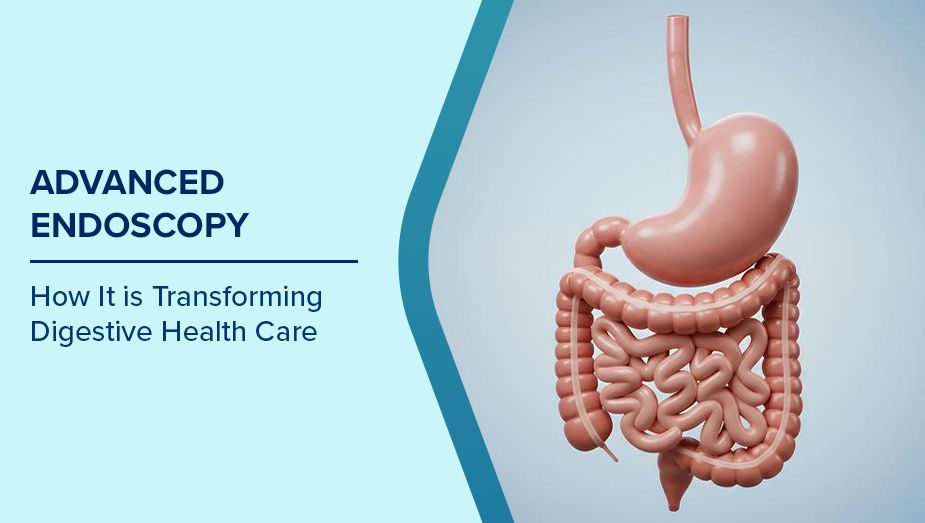
In recent years, digestive health in India has seen a significant transformation, thanks to the rapid evolution of endoscopic technologies. Once used primarily for diagnosis, endoscopy has now become a precise, minimally invasive therapeutic tool—revolutionizing the treatment of gastrointestinal (GI) diseases.
From detecting early-stage cancers to performing scarless surgeries, modern endoscopic techniques offer immense benefits. Advanced procedures like Endoscopic Ultrasound (EUS), Capsule Endoscopy, Narrow Band Imaging (NBI), and Endoscopic Retrograde Cholangiopancreatography (ERCP) allow specialists to diagnose and treat complex GI conditions with remarkable accuracy.
Minimally Invasive, Faster Recovery
Advanced endoscopic procedures like Endoscopic Submucosal Dissection (ESD) and Endoscopic Mucosal Resection (EMR) enable tumour removal without open surgery. Patients experience minimal pain, reduced blood loss, and faster recovery—often returning home the same day. EUS-guided procedures like Cystogastrostomy and Gastrojejunostomy help patients with peripancreatic fluid collections or cancer-related obstructions avoid major surgeries.
A Game-Changer for Chronic GI Conditions
Chronic conditions such as acid reflux, biliary obstruction, GI bleeding, and inflammatory bowel disease (IBD) are now managed more effectively. ERCP replaces conventional surgeries for bile duct stones and strictures. GERDX, a minimally invasive endoscopic procedure, strengthens the esophagogastric valve to treat GERD.
The Role of Technology and Expertise
Many leading hospitals in metros like Delhi are equipped with state-of-the-art endoscopy suites. Artificial Intelligence is also being integrated to aid real-time detection of polyps and bleeding. However, the success of these techniques depends heavily on the skills and training of the endoscopist.
Early Detection, Better Outcomes
Conditions like stomach cancer, colorectal cancer, and pancreatic disorders can now be detected earlier with tools like EUS-guided fine-needle aspiration and AI-enhanced scopes. Technologies such as narrow-band imaging improve mucosal visualization, enabling better identification of precancerous changes.
Public Awareness and Access Are Key
Despite these advancements, public awareness is still lacking. Many patients seek help only when symptoms worsen. Routine screenings, especially after age 45 or for those with a family history, can be life-saving.
As India’s healthcare ecosystem advances, endoscopy is emerging as a powerful tool—one that’s changing how we diagnose, treat, and even prevent digestive diseases.
The Way Forward
With lifestyle disorders like fatty liver, acid reflux, and colorectal cancer on the rise in urban India, the demand for advanced endoscopy will only increase. Once seen as high-end diagnostics, these procedures are now becoming part of routine care.
If you’re experiencing persistent digestive discomfort, unexplained weight loss, or blood in stools, consult a gastroenterologist. Early detection saves lives—and it may not require surgery at all.
Written and Verified by:

Related Blogs

Dr. Nivedita Pandey In Gastroenterology, Hepatology & Endoscopy , Liver Transplant and Biliary Sciences
Nov 07 , 2020 | 2 min read
Dr. Nivedita Pandey In Gastroenterology, Hepatology & Endoscopy , Liver Transplant and Biliary Sciences
Nov 07 , 2020 | 2 min read
Blogs by Doctor

Understanding Hepatorenal Syndrome: A Severe Liver Complication
Dr. Piyush Gupta In Gastroenterology, Hepatology & Endoscopy
Dec 19 , 2023 | 7 min read

Acute Abdominal Pain: All You Need to Know
Dr. Piyush Gupta In Gastroenterology, Hepatology & Endoscopy
Apr 29 , 2024 | 10 min read
Most read Blogs


Related Blogs
Dr. Nivedita Pandey In Gastroenterology, Hepatology & Endoscopy , Liver Transplant and Biliary Sciences
Nov 07 , 2020 | 2 min read
Dr. Nivedita Pandey In Gastroenterology, Hepatology & Endoscopy , Liver Transplant and Biliary Sciences
Nov 07 , 2020 | 2 min read
Blogs by Doctor
Understanding Hepatorenal Syndrome: A Severe Liver Complication
Dr. Piyush Gupta In Gastroenterology, Hepatology & Endoscopy
Dec 19 , 2023 | 7 min read
Acute Abdominal Pain: All You Need to Know
Dr. Piyush Gupta In Gastroenterology, Hepatology & Endoscopy
Apr 29 , 2024 | 10 min read
Most read Blogs