 WhatsApp Us (24/7)
 +91 926 888 0303 (24/7)


To Book an Appointment
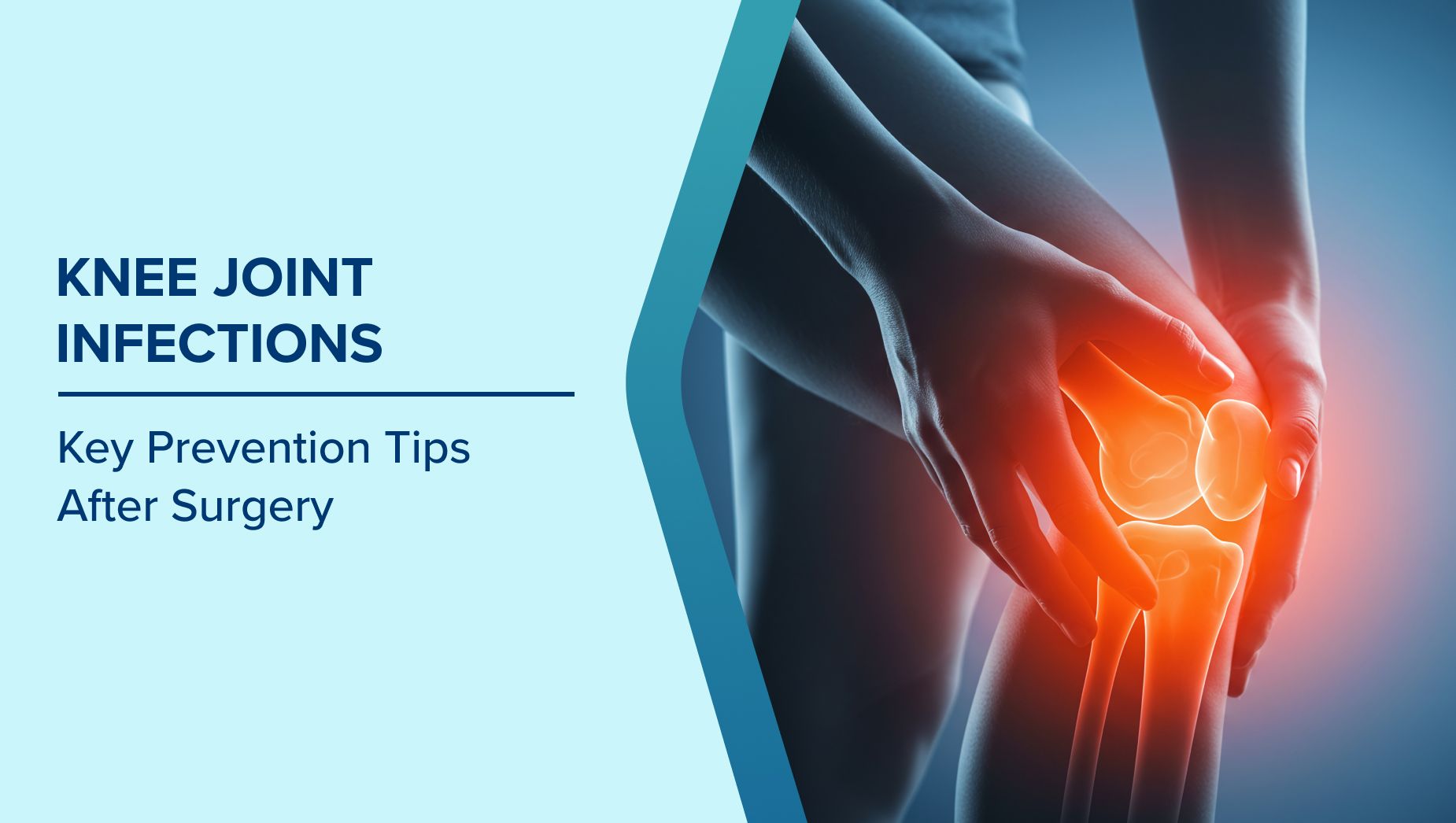
Call Us+91 926 888 0303Knee Joint Infections: Key Prevention Tips After Surgery
By Dr. Simon Thomas in Orthopaedics & Joint Replacement , Robotic Surgery
Sep 28 , 2025 | 3 min read

Knee replacement surgery can significantly improve the lives of individuals experiencing chronic knee pain, restricted mobility, or degenerative joint disease. Although the procedure is generally very successful, careful post-operative care is essential for optimal results. Proper management not only aids recovery but also helps prevent knee joint infections, which can have a major impact on the success of the surgery and overall quality of life.
Let's understand the importance of infection prevention after knee surgery, identify risk factors, and discover some practical tips to protect your recovery.
Understanding Knee Joint Replacement Surgery
Also called knee arthroplasty, knee replacement surgery restores knee function and reduces pain by replacing damaged joint parts with artificial implants. It is commonly advised for patients with significant arthritis, injury-related joint damage, or when other treatments have been ineffective.
While this surgery can greatly improve mobility and comfort, careful post-operative care is crucial to prevent complications, particularly infections.
Why Infection Prevention is Crucial After Surgery
Infections can develop when harmful bacteria enter the surgical site. These may be:
- Superficial infections: Affect the skin and tissue around the incision.
- Deep infections: Involve the artificial implant and are more serious, often requiring additional surgery or prolonged treatment.
Preventing infections is essential because it:
- Protects the integrity of the surgical implant
- Reduces the risk of delayed recovery or additional surgeries
- Ensures a smooth return to mobility and comfort
Who is at Risk for Knee Joint Infections?
While anyone undergoing knee replacement surgery can develop an infection, certain factors increase the risk:
- Chronic conditions such as diabetes, obesity, or rheumatoid arthritis
- Smoking, which impairs healing and immune response
- Use of steroids or immunosuppressive medications
- Poor nutritional status or malnutrition
Recognising these risk factors allows patients and healthcare providers to take targeted measures to reduce infection risk.
Symptoms of an Infection After Knee Replacement
Early detection is key to effective management. Watch for:
- Unusual pain or stiffness in the knee
- Redness or warmth around the surgical site
- Swelling or drainage from the wound
- Fever, chills, or fatigue
- Night sweats
If you witness any of these symptoms, contact your doctor immediately.
Diagnosing Knee Joint Infections
Diagnosing the condition generally involves a thorough medical evaluation along with relevant tests, such as:
- Blood tests to detect infection markers
- X-rays or bone scans to assess the implant site
- Joint fluid aspiration to confirm the presence of bacteria
Treatment Options for Knee Joint Infections
Treatment relies on the severity and timing of the infection:
- Antibiotics: For early or superficial infections, oral or intravenous antibiotics may be sufficient.
- Debridement: Surgical removal of infected tissues, cleaning of the implant, and replacement of certain components if necessary.
- Staged Surgery: In severe or late-stage infections, the implant is removed, an antibiotic spacer is placed, and a second surgery is performed to insert a new implant.
Proactive Steps for Preventing Knee Joint Infections
Protecting your recovery involves both medical care and personal responsibility. Key measures include:
Follow Your Surgeon’s Instructions
Adhere closely to post-operative guidelines for wound care, medications, and activity restrictions.
Maintain Good Hygiene
- Keep the incision clean and dry.
- Wash your hands thoroughly before touching the wound.
- Avoid soaking the wound until cleared by your doctor.
Monitor Your Wound Regularly
Inspect the incision daily for redness, swelling, or discharge. Early detection can prevent serious complications.
Optimise Overall Health
- Manage chronic conditions effectively.
- Eat a balanced diet rich in protein and vitamins.
- Stay hydrated to support healing.
Avoid Risky Activities
Do not strain the surgical site until your doctor advises it is safe.
Be Careful with Dental Procedures
Let your dentist know about your knee replacement and take the prescribed antibiotics before procedures such as tooth extractions.
Quit Smoking
Smoking slows healing and increases infection risk. Quitting improves recovery outcomes.
Attend Follow-Up Appointments
Regular check-ups allow your surgeon to monitor progress and address concerns promptly.
Long-Term Strategies for Protecting Your Knee
Even after recovery, ongoing care is important:
- Maintain a healthy weight to reduce strain on the knee implant.
- Perform low-impact exercises to build muscle strength and support joint stability.
- Take precautions to prevent injuries that could harm the implant or lead to infection.
Conclusion
Recovering from knee replacement surgery is a collaborative effort between you and your healthcare team. By understanding infection risks and taking proactive measures, you can safeguard your knee joint and enjoy the benefits of improved mobility and a higher quality of life.
Preventing knee joint infections requires both short-term care and a long-term commitment to healthy habits. By staying vigilant, following your surgeon’s guidance, and prioritising your health, you can achieve a smooth recovery and confidently return to the activities you love.
Written and Verified by:

Related Blogs


Dr. Ashish Jain In Orthopaedics & Joint Replacement
Nov 07 , 2020 | 1 min read
Blogs by Doctor

Technology Advancement in Robotic Knee Replacement: Procedure & Benefits
Dr. Simon Thomas In Orthopaedics & Joint Replacement , Robotic Surgery
Sep 16 , 2024 | 4 min read

Benefits of Revision Hip Replacement
Dr. Simon Thomas In Orthopaedics & Joint Replacement , Robotic Surgery
Oct 09 , 2024 | 3 min read
Most read Blogs


Related Blogs
Dr. Ashish Jain In Orthopaedics & Joint Replacement
Nov 07 , 2020 | 1 min read
Blogs by Doctor
Technology Advancement in Robotic Knee Replacement: Procedure & Benefits
Dr. Simon Thomas In Orthopaedics & Joint Replacement , Robotic Surgery
Sep 16 , 2024 | 4 min read
Benefits of Revision Hip Replacement
Dr. Simon Thomas In Orthopaedics & Joint Replacement , Robotic Surgery
Oct 09 , 2024 | 3 min read
Most read Blogs