 WhatsApp Us (24/7)
 +91 926 888 0303 (24/7)


To Book an Appointment
Call Us+91 926 888 0303Breast Cancer Risk: Diet, Exercise & Lifestyle Tips for Prevention
By Dr. Shivangi Sundram in Surgical Oncology , Cancer Care / Oncology
Mar 11 , 2026 | 4 min read
1

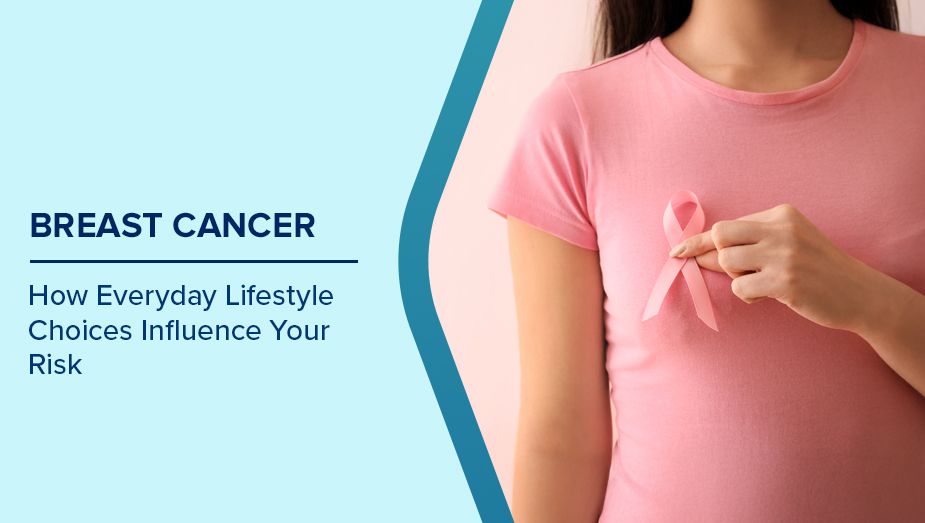
Breast cancer is a disease in which cells in the breast grow uncontrollably and form a tumour. It is one of the most common cancers worldwide. While age, family history, and genetic mutations such as BRCA play a role, research shows that lifestyle and breast cancer are closely connected.
So, how do lifestyle choices affect breast cancer risk? Daily habits influence hormone levels, body weight, inflammation, and metabolic health. Factors such as diet, alcohol use, physical activity, smoking, and weight management can either raise or lower risk over time. Lifestyle changes cannot guarantee prevention, but they can meaningfully reduce risk and improve overall health. Understanding modifiable breast cancer risk factors empowers women to take practical, evidence-based steps toward long-term protection.
Understanding Breast Cancer Risk Factors
Breast cancer risk factors fall into two categories: non-modifiable and modifiable.
Non-Modifiable Factors
These include:
- Age
- Family history of breast or ovarian cancer
- Genetic predisposition, such as a BRCA mutation
- Early menstruation or late menopause
- Dense breast tissue
These cannot be changed, but awareness helps guide screening decisions.
Modifiable Lifestyle Factors
These are the areas where prevention efforts matter most:
- Body weight and obesity
- Alcohol intake
- Physical activity levels
- Smoking
- Diet quality
- Hormone exposure
Knowing how lifestyle choices affect breast cancer risk allows women to focus on factors within their control.
The Role of Body Weight and Obesity
Obesity and breast cancer are strongly linked, especially after menopause. After menopause, the ovaries produce less estrogen. However, fat tissue continues to convert hormones into estrogen. Higher body mass index increases estrogen levels, which can stimulate certain types of breast cancer cells. Excess body fat also promotes:
- Chronic inflammation
- Insulin resistance
- Oxidative stress
These biological processes create an environment that may encourage cancer growth.
Maintaining a healthy BMI is one of the most evidence-based breast cancer prevention tips available today.
Diet and Breast Cancer Risk
Diet and breast cancer risk are closely studied areas in preventive oncology.
- Processed Foods and High Fat Diets: Diets high in processed foods, refined carbohydrates, and saturated fats may increase inflammation and insulin levels. Long-term metabolic imbalance can influence hormone regulation.
- Fibre Intake: Fibre helps regulate estrogen levels by supporting healthy digestion and hormone elimination. Diets rich in whole grains, legumes, fruits, and vegetables are associated with a lower risk.
- Fruits and Vegetables: Colourful produce provides antioxidants that reduce oxidative stress. While no single food prevents cancer, a plant-forward diet supports cellular health.
- Red and Processed Meats: High intake of processed meats has been linked to increased cancer risk. Moderation is recommended.
- Sugar and Insulin Resistance: Excess sugar does not directly cause breast cancer. However, chronically elevated insulin levels may contribute to metabolic dysfunction and weight gain, both of which are known risk factors.
A balanced diet remains one of the most practical ways to prevent breast cancer naturally.
Alcohol and Breast Cancer
Alcohol and breast cancer have a clear dose-response relationship. Even moderate drinking can increase risk. Alcohol raises estrogen levels and may damage DNA through the production of harmful metabolites. Research consistently shows:
- One drink per day increases the risk slightly
- Higher intake increases the risk further
For women concerned about breast cancer risk factors, limiting alcohol is a meaningful step. If you are wondering, does alcohol increase breast cancer risk? The answer is yes, even at low levels.
Physical Activity and Risk Reduction
Exercise and breast cancer prevention are strongly connected. Regular physical activity helps:
- Maintain a healthy weight
- Lower estrogen levels
- Improve insulin sensitivity
- Reduce inflammation
- Strengthen immune function
How much exercise lowers breast cancer risk? Studies suggest that at least 150 minutes of moderate aerobic activity per week significantly reduces risk. Even brisk walking counts. Consistency matters more than intensity.
A sedentary lifestyle, on the other hand, is associated with higher metabolic risk and poorer hormone balance.
Smoking and Environmental Toxins
Smoking introduces carcinogens that damage DNA and increase oxidative stress. While lung cancer is most strongly associated with tobacco, breast tissue is also vulnerable. Secondhand smoke exposure may also contribute to risk, especially in younger women.
Environmental toxins, such as pollutants and certain chemicals, may act as endocrine disruptors. These compounds can mimic estrogen and interfere with normal hormonal signalling. Avoiding tobacco is essential for overall cancer prevention.
Hormones, Reproductive Factors, and HRT
Hormone levels and breast cancer are closely linked. Longer lifetime exposure to estrogen can increase risk. This includes:
- Early menstruation
- Late menopause
- Having no full-term pregnancies
- Delayed first pregnancy
Hormonal birth control and hormone replacement therapy can slightly increase risk in some women, depending on duration and formulation. However, decisions about hormone therapy should be individualised. The benefits and risks vary based on age, personal history, and symptom severity.
Discussing hormone use with a healthcare provider ensures balanced decision-making.
Stress, Sleep, and Breast Cancer Risk
Does stress cause breast cancer? Current research does not show a direct cause-and-effect relationship.
However, chronic stress may influence immune function and inflammation. Poor sleep patterns can disrupt melatonin production, which helps regulate estrogen. Shift work and long-term sleep disruption have been studied as possible contributors to increased cancer risk.
Managing stress and prioritising restorative sleep supports overall metabolic and hormonal balance.
Can You Prevent Breast Cancer?
It is important to distinguish between risk reduction and prevention. Lifestyle changes cannot eliminate all risk, especially for women with a strong genetic predisposition. However, evidence shows that modifiable factors significantly influence overall probability.
Screening remains critical. Regular mammography detects cancer early, when treatment is most effective. Women with a higher risk may need earlier or additional imaging. Prevention is about reducing risk and improving early detection, not guaranteeing immunity.
Practical Steps to Lower Your Risk
If you are asking, can lifestyle changes reduce breast cancer risk? The answer is yes. Here are evidence-based steps:
- Maintain a healthy body weight
- Limit alcohol consumption
- Engage in regular physical activity
- Eat a balanced, fibre-rich diet
- Avoid smoking and secondhand smoke
- Get regular breast screening as recommended
- Discuss hormone therapy carefully with your doctor
Small, consistent habits create meaningful long-term impact.
Conclusion
Understanding how lifestyle choices affect breast cancer risk gives women knowledge and control. While genetics matter, daily habits shape hormone levels, inflammation, and metabolic health. With informed choices and regular screening, meaningful risk reduction is possible.
Frequently Asked Questions
Can young women reduce breast cancer risk?
Yes, breast cancer risk in young women is lower overall, but lifestyle choices still matter. Building healthy habits early supports hormonal balance and long-term protection.
Does wearing bras increase breast cancer risk?
No, there is no scientific evidence linking bra use to breast cancer. This is a persistent myth without medical support.
Is breast cancer hereditary or lifestyle-related?
Both factors play roles. Genetic mutations increase risk significantly, but most breast cancer cases occur in women without inherited mutations. Lifestyle remains an important influence.
Can breastfeeding reduce breast cancer risk?
Yes, breastfeeding is associated with modest risk reduction. It reduces lifetime estrogen exposure and supports healthy changes in breast tissue.
Does caffeine affect breast cancer risk?
Current research does not show a consistent link between moderate caffeine intake and increased breast cancer risk. Coffee in moderate amounts appears safe for most women.
Can men get breast cancer due to lifestyle factors?
Yes, although rare, men can develop breast cancer. Obesity, hormonal imbalance, genetic mutation and family history may increase risk.
Written and Verified by:

Related Blogs

Dr. S. VEDA PADMA PRIYA In Surgical Oncology , Cancer Care / Oncology
May 16 , 2016 | 2 min read

Dr. Kanika Batra Modi In Surgical Oncology , Cancer Care / Oncology
May 26 , 2016 | 4 min read
Blogs by Doctor

Most read Blogs


Related Blogs
Dr. S. VEDA PADMA PRIYA In Surgical Oncology , Cancer Care / Oncology
May 16 , 2016 | 2 min read
Dr. Kanika Batra Modi In Surgical Oncology , Cancer Care / Oncology
May 26 , 2016 | 4 min read
Blogs by Doctor
Most read Blogs