 WhatsApp Us (24/7)
 +91 926 888 0303 (24/7)


To Book an Appointment
Call Us+91 926 888 0303Rhinoplasty Recovery Timeline: Swelling and Healing Process
By Dr Chandra K. Singh in Aesthetic And Reconstructive Surgery
May 13 , 2026

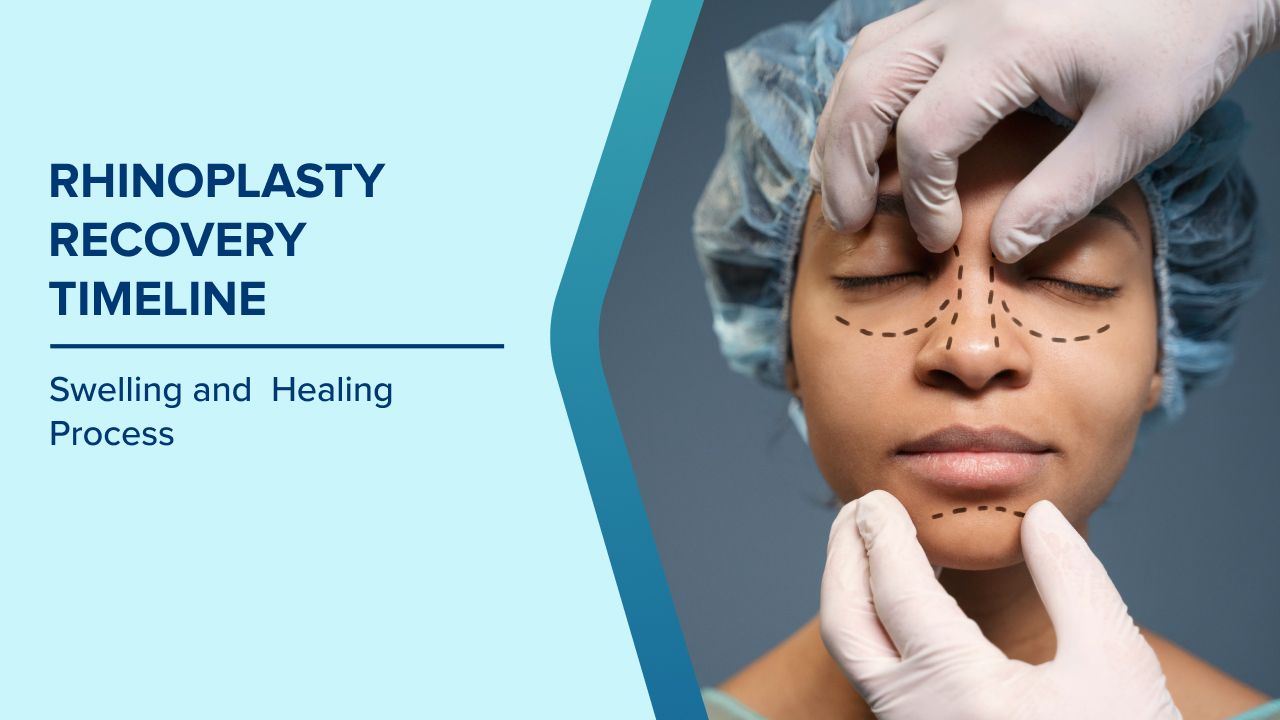
The rhinoplasty recovery timeline happens in clear stages, from the first few days of swelling and bruising to gradual healing over several months. After nose surgery, it’s normal to experience swelling after rhinoplasty, mild discomfort, and temporary breathing difficulty. Most visible recovery improves within 2–3 weeks, but the final shape develops slowly over time. Understanding the nose surgery recovery process helps set realistic expectations and ensures a smoother, safer healing journey.
What to Expect After Rhinoplasty Surgery
Rhinoplasty is a surgical procedure that reshapes the nose for cosmetic or functional reasons. After surgery, patients typically wake up with a nasal splint, some swelling, and mild bruising around the eyes.
The recovery process is gradual. While initial symptoms improve within weeks, the internal healing and refinement of the nose continue for months. Following a structured recovery timeline helps patients track progress and avoid unnecessary worry.
Rhinoplasty Recovery Timeline (Day-by-Day)
Day 1–2: Immediate Post-Surgery Phase
This is the most delicate stage of rhinoplasty recovery.
- Swelling and bruising begin immediately
- A nasal splint or packing may be present
- Mild bleeding or drainage is normal
- Breathing through the nose is difficult
Patients are advised to rest, keep their heads elevated, and avoid any strain. Discomfort is usually manageable with prescribed medication.
Day 3–5: Peak Swelling and Bruising
This phase often feels the most uncomfortable.
- Swelling after rhinoplasty reaches its peak
- Bruising around the eyes becomes more visible
- Nasal congestion continues
- Tightness or pressure in the nose area
Although symptoms may look alarming, this is a normal part of the rhinoplasty healing stages. Cold compresses (around the eyes, not the nose) can help reduce swelling.
Day 6–7: Initial Improvement
By the end of the first week, noticeable improvements begin.
- Splint removal often occurs during this time
- Bruising starts to fade
- Swelling slightly reduces
- Breathing begins to improve
This stage marks the transition from early recovery to visible healing. Many patients feel more comfortable returning to light daily activities.
Week-by-Week Recovery After Rhinoplasty
Week 2
The second week brings visible progress.
- Most bruising after nose surgery fades significantly
- Swelling continues to decrease
- Patients can return to non-strenuous work
- Facial appearance looks more normal
Although improvement is noticeable, the nose remains sensitive and is healing internally.
Weeks 3–4
This stage shows steady refinement.
- Swelling reduces further, especially around the bridge
- The nose begins to take on a more defined shape
- Light exercise may be resumed (if approved by the surgeon)
At this point in the rhinoplasty results timeline, others may not notice you had surgery.
1–3 Months
Healing becomes more subtle but continues steadily.
- Residual swelling remains, especially at the tip
- Nasal structure stabilises
- Breathing improves fully
Patients often feel “back to normal,” but internal healing continues.
6–12 Months
This is the final stage of the nose surgery recovery time.
- Swelling completely resolves
- The final nose shape becomes visible
- Skin adapts to the new structure
The tip of the nose, in particular, takes the longest to refine fully.
Read More: Open vs Closed Rhinoplasty: Benefits and Recovery
Common Symptoms During Recovery
During the rhinoplasty recovery timeline, patients may experience:
- Swelling: Most noticeable in the first 2 weeks
- Bruising: Around eyes, fades within 10–14 days
- Nasal congestion: Due to internal swelling
- Mild pain or discomfort: Usually temporary
These symptoms are expected and gradually improve over time.
Factors That Affect Rhinoplasty Recovery Time
Recovery is not the same for everyone. Several factors influence healing:
- Skin type: Thicker skin may take longer to show final results
- Surgical technique: Open vs closed rhinoplasty
- Patient health: Overall fitness and immune response
- Aftercare compliance: Following post-op instructions carefully
Understanding these factors helps set realistic expectations for the rhinoplasty results timeline.
Read More: Sneezing and Runny Nose? Here are the Common Causes and Simple Home Remedies
Tips for Faster and Safe Recovery
Proper care can significantly improve healing and reduce complications.
- Keep your head elevated, even while sleeping
- Avoid strenuous activities for at least 2–3 weeks
- Follow your surgeon’s instructions strictly
- Avoid touching or putting pressure on the nose
- Stay hydrated and maintain a healthy diet
These nose job recovery tips help minimise swelling after rhinoplasty and promote faster healing.
When to Contact Your Surgeon
While most symptoms are normal, certain signs require medical attention:
- Excessive or prolonged bleeding
- Severe or worsening pain
- Signs of infection (fever, redness, pus)
- Sudden increase in swelling
Prompt communication with your surgeon helps ensure safety during the recovery from nose surgery.
Do’s and Don’ts After Rhinoplasty
Do’s
- Sleep on your back with your head elevated
- Take medications as prescribed
- Attend all follow-up appointments
Don’ts
- Avoid wearing glasses directly on the nose initially
- Do not sleep on your side or stomach
- Avoid smoking and alcohol
- Do not engage in heavy physical activity
Following these guidelines protects your results and supports proper healing.
Read More: Sneezing and Runny Nose? Here are the Common Causes and Simple Home Remedies
When Can You Return to Normal Activities?
Recovery timelines vary, but general guidelines include:
- Work: 1–2 weeks (non-physical jobs)
- Exercise: Light activity after 2–3 weeks, intense workouts after 4–6 weeks
- Social activities: After bruising subsides (around 2 weeks)
Returning too early can disrupt the rhinoplasty healing process, so patience is essential.
Conclusion
The rhinoplasty recovery timeline requires patience, as healing can take days to months. While early swelling and bruising resolve within weeks, the final results take time to develop fully. Following proper aftercare, avoiding strain, and maintaining realistic expectations are key to achieving the best outcome. With the right approach, most patients experience a smooth recovery and long-lasting, natural-looking results from their nose surgery.
Frequently Asked Questions
1. How long does it take for swelling to go away after rhinoplasty completely?
Most swelling improves within 3–4 weeks, but subtle swelling, especially at the tip, can take up to 12 months to fully resolve.
2. When can I wear glasses after nose surgery?
Glasses should generally be avoided for at least 4–6 weeks unless supported with special taping or alternatives recommended by your surgeon.
3. Can I sleep on my side after rhinoplasty?
It’s best to sleep on your back with your head elevated for at least 2–3 weeks to avoid pressure on the nose.
4. When can I see the final results after a nose job?
Final results typically appear between 6 and 12 months, depending on healing speed and skin type.
5. Is rhinoplasty recovery painful?
Pain is usually mild to moderate and manageable with medication. Most patients describe discomfort rather than severe pain.
6. Can swelling come back after rhinoplasty?
Temporary swelling may fluctuate due to activity or diet, but it usually subsides as healing progresses.
Written and Verified by:

Related Blogs

Dr. Sunil Choudhary In Aesthetic And Reconstructive Surgery
Nov 07 , 2020 | 2 min read

Dr. Sunil Choudhary In Aesthetic And Reconstructive Surgery
Nov 07 , 2020 | 1 min read
Most read Blogs


Related Blogs
Dr. Sunil Choudhary In Aesthetic And Reconstructive Surgery
Nov 07 , 2020 | 2 min read
Dr. Sunil Choudhary In Aesthetic And Reconstructive Surgery
Nov 07 , 2020 | 1 min read
Most read Blogs