 WhatsApp Us (24/7)
 +91 926 888 0303 (24/7)


To Book an Appointment
Call Us+91 926 888 0303Respiratory Syncytial Virus (RSV): Causes, Symptoms, Diagnosis and Treatment
By Dr. Vivek Nangia in Pulmonology
Mar 09 , 2026
1

Respiratory Syncytial Virus (RSV) is a common respiratory pathogen that circulates annually, with peak activity during winter months. It typically causes mild upper respiratory symptoms in healthy adults and older children, but poses significant health risks for infants and young children under two years of age. Nearly all children contract RSV by age two. While most recover at home with supportive care, some develop severe respiratory complications requiring hospitalisation, and a small percentage need intensive care. Because RSV presents differently across individuals, recognising key symptoms and understanding disease progression is crucial. This article provides essential information on RSV from causes, and transmission, to treatment, and prevention. Let’s dive in.
What is Respiratory Syncytial Virus (RSV)?
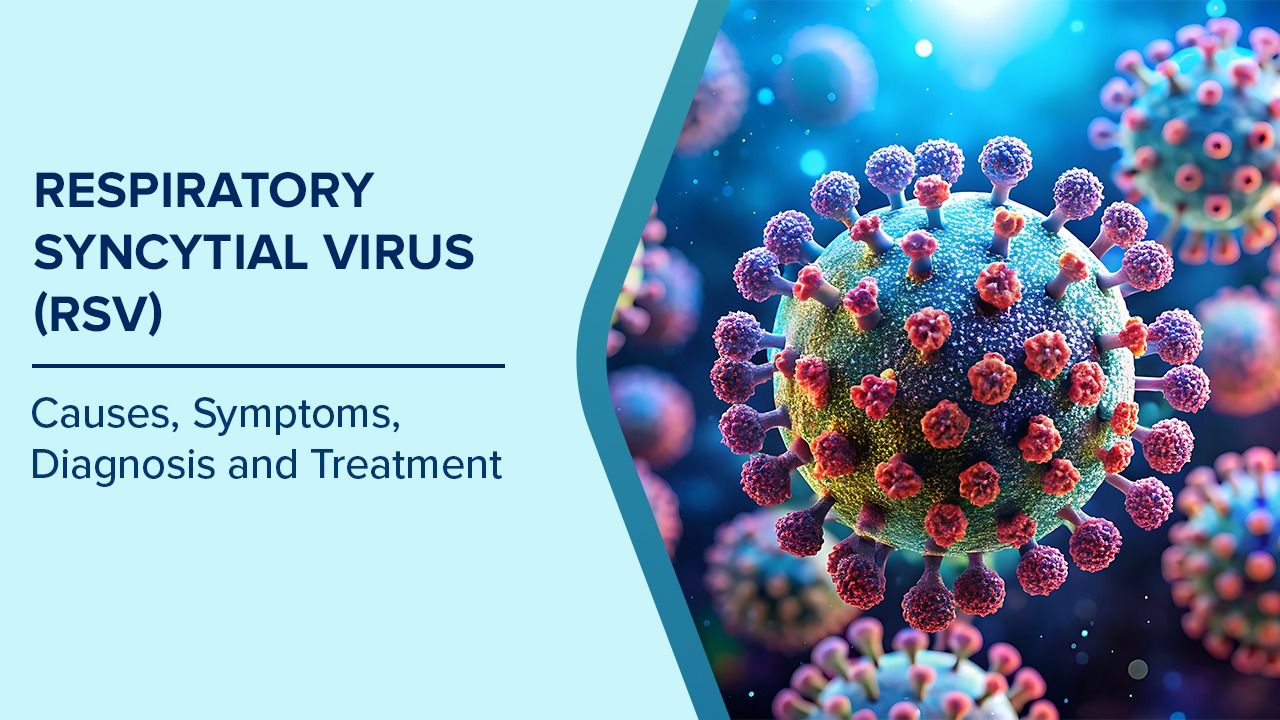
Respiratory Syncytial Virus is a widely circulating virus that mainly affects the airways and lungs. It is one of the most common causes of respiratory infections, especially in infants and young children. The virus spreads through droplets released when an infected person coughs, sneezes or talks, and it can also transfer from contaminated surfaces to the nose or mouth. Because of this, RSV moves quickly through households, day-care centres and schools, particularly during the cooler months.
Once the virus enters the body, it targets the lining of the nose, throat and lower airways. In many older children and adults, this results in a mild, cold-like illness. In younger children, especially infants, the infection can reach the smaller airways and cause swelling, mucus build-up and breathing difficulty. RSV is a leading cause of bronchiolitis and pneumonia in babies and is one of the main reasons for hospital admission in children under two years of age.
How Does RSV Spread?
RSV spreads very easily, which is why it passes quickly through families, day-care centres and schools during peak season. The virus moves from person to person through everyday interactions, and even brief contact can be enough for transmission. Here is how RSV commonly spreads:
- Respiratory droplets: When an infected person coughs, sneezes or talks, tiny droplets carrying the virus enter the air. These droplets can reach the nose, mouth or eyes of someone close by and start an infection.
- Direct contact: Simple actions such as touching an infected person’s hands, hugging or sharing items can transfer the virus. This is common among young children who frequently touch their face.
- Contaminated surfaces: RSV can stay alive on surfaces including that of toys, tables, cot rails and even doorknobs for several hours. Touching these surfaces and then touching the face creates an easy route for the virus to enter the body.
- Shared indoor spaces: Environments where people spend long periods together, especially in closed rooms with limited airflow, allow the virus to spread quickly. This includes day-care centres, classrooms and crowded households.
What Causes RSV Infection?
RSV infection is caused by Respiratory Syncytial Virus, a virus that specifically targets the cells lining the airways and lungs. Once the virus enters the body, it attaches to these cells and begins to multiply. This process irritates the airway lining, leading to swelling and increased mucus production. These changes make it harder for air to move in and out of the lungs, which is why symptoms such as coughing, wheezing and breathing difficulty can develop. The severity of the infection depends on how far the virus spreads within the respiratory tract and how the body responds to it.
Who is at Higher Risk of Severe RSV Infection?
RSV infection can range from a mild cold to a serious lung illness, depending on the person’s age, airway structure and immune strength. Certain groups are more likely to develop breathing difficulty, dehydration or complications that require hospital care. Higher-risk groups include:
- Infants younger than six months: Their airways are narrow, and even a small amount of swelling or mucus can affect airflow. Young babies also have limited ability to clear secretions, which increases the chance of breathing problems.
- Premature babies: Babies born early often have underdeveloped lungs and immature immune systems. This makes it harder for their body to handle inflammation caused by the virus.
- Children with chronic lung conditions: Conditions such as bronchopulmonary dysplasia or long-standing breathing issues reduce lung reserve, so any added inflammation from RSV can lead to quick deterioration.
- Children with congenital heart disease: Heart-related problems can limit oxygen delivery to the body. An RSV infection can place extra strain on the heart and lungs, increasing the risk of complications.
- Children with weak immunity: Immunity may be affected by medical conditions or ongoing treatments. A reduced immune response allows the virus to multiply more quickly, making severe symptoms more likely.
- Elderly: Ageing reduces lung elasticity and slows the immune response. This group is more prone to pneumonia, low oxygen levels and prolonged recovery during RSV season.
- People with long-term illnesses: Conditions such as COPD, asthma, kidney disease and diabetes can make the body less resilient during respiratory infections. Flare-ups of existing illnesses are also common during RSV episodes.
What are the Symptoms of RSV Infection?
RSV infection often begins with mild cold-like signs, although symptoms can progress over a few days. Infants, elderly, and people with weak immunity may develop more noticeable or severe symptoms. Common symptoms include:
- Runny nose: Clear nasal discharge that may thicken over time. This often appears before other symptoms.
- Sneezing: Frequent sneezing due to irritation of the nasal passages.
- Cough: Starts as a dry cough and may become more persistent or productive as the infection develops.
- Fever: Usually mild but can rise in some cases, especially in younger children.
- Wheezing: A high-pitched or whistling sound during breathing caused by inflammation in the small airways.
- Fast or difficult breathing: Chest may appear to sink in between the ribs or under the breastbone during breathing, which is a sign of effort.
- Poor feeding: Infants may struggle to feed due to congestion or fatigue during feeding.
- Irritability or unusual tiredness: More common in babies and toddlers who may become restless, fussy, or sleep more than usual.
- Bluish tint on lips or fingertips (in severe cases): Caused by low oxygen levels and considered a warning sign that needs urgent medical attention.
How is RSV Diagnosed?
RSV is diagnosed through a mix of symptom assessment and tests that detect the virus or check for complications. Doctors focus on understanding how the illness is affecting the airways and whether the infection has progressed to the lungs. Following methods/tests are used in the diagnosis of RSV:
Physical Examination
A doctor begins by checking breathing patterns, looking for rapid breaths, chest retractions, or wheezing. The nose and throat are examined for congestion, and lung sounds are assessed using a stethoscope. Oxygen saturation may also be measured with a pulse oximeter to see if the infection is affecting oxygen levels.
Nasal Swab Test
This is the primary method for diagnosing RSV. A soft swab is gently inserted into the nostril to collect mucus. The sample is tested through rapid antigen testing or PCR. Rapid tests give results within minutes, whereas PCR offers higher accuracy and is used in hospitals or cases where confirmation is important.
Chest X Ray
A chest X ray helps detect complications such as pneumonia, lung inflammation, or hyperinflated lungs caused by airway blockage. It is usually recommended when symptoms are severe, breathing appears laboured, or the doctor suspects a lower respiratory tract infection.
Blood Tests
Blood tests may be used to check overall health and identify complications. These tests evaluate markers of infection, hydration status, and oxygen levels. Though they do not confirm RSV directly, they help decide if hospital care or closer monitoring is needed.
A clear diagnosis guides the next steps in treatment, ensuring the infection is managed safely and complications are addressed early.
How is RSV Infection Treated?
RSV treatment focuses on easing symptoms, keeping the body hydrated, and preventing complications. Mild cases can be taken care of through home remedies, however, serious or prolonged cases need medical treatment.
Home Remedies
Simple home remedies can support recovery and make breathing easier, especially during the first few days.
- Adequate hydration: Frequent sips of water, oral rehydration solutions, or breast milk for infants help prevent dehydration caused by fever or poor feeding.
- Cool mist humidifier: Moist air eases congestion and helps loosen mucus in the airways.
- Nasal saline drops: These help soften and clear mucus in infants and young children, making breathing and feeding easier.
- Gentle suctioning for infants: A bulb syringe or nasal aspirator removes excess mucus from the nose, especially before feeding or sleep.
- Rest and comfort: Quiet surroundings and enough sleep support the body’s recovery.
- Keeping the air clean: Avoiding smoke, fumes, and strong odours prevents additional airway irritation.
Medical Treatment
Medical treatment is needed for individuals with severe symptoms or complications such as pneumonia or bronchiolitis.
- Oxygen support: Oxygen therapy is used when oxygen levels are low or breathing appears laboured.
- IV fluids: Given to prevent dehydration in infants or patients unable to drink enough due to breathing difficulty or fatigue.
- Nebulised saline: Helps loosen thick mucus and ease breathing in some cases.
- Antiviral therapy (in select cases): Certain high risk groups, such as premature infants or children with specific heart or lung conditions, may be considered for monoclonal antibody therapy as a preventive or early treatment measure.
How Can RSV be Prevented?
RSV prevention centres on reducing exposure to the virus, limiting spread within households and community settings, and protecting people who are more likely to develop severe infection. These steps become especially important during the peak RSV season, when transmission increases quickly.
- RSV vaccination: Adults aged 60 years and above may be offered an RSV vaccine after consulting a clinician, especially before the start of RSV season. Pregnant individuals may also receive an RSV vaccine during a specific period of pregnancy to help protect newborns in the first months of life. These vaccines reduce the risk of severe RSV infection in groups more likely at risk of contracting the infection.
- Handwashing: Regular washing with soap and water removes the virus picked up from shared surfaces such as toys and tables. This simple step reduces spread in homes, schools, and day-care settings.
- Surface cleaning: Cleaning frequently touched items such as doorknobs, remote controls, feeding bottles, and mobile phones lowers the amount of virus present indoors, especially during peak season.
- Respiratory hygiene: Covering coughs and sneezes with a tissue or elbow prevents droplets from spreading. Throwing away used tissues immediately and washing hands afterwards helps stop the virus from passing between family members.
- Avoiding sick persons: Keeping distance from people who have cold-like symptoms reduces exposure to RSV, which is important for infants, older adults, and those with weak immunity.
- Limiting crowded indoor places: Reducing visits to busy indoor environments such as malls or public transport during RSV season lowers the risk of encountering someone carrying the virus.
- Good ventilation: Opening windows or using fans helps remove virus particles from indoor air and creates a safer environment.
- Avoiding smoke exposure: Smoke from cigarettes or strong fumes irritates the airways and can worsen RSV symptoms, especially in children.
- Breastfeeding: Breast milk supports the immune system in early months and may help infants fight respiratory infections more effectively.
- Seasonal immunisation: High-risk infants, such as premature babies or those with lung or heart conditions, may receive monoclonal antibody injections that provide temporary protection during RSV season, based on a doctor’s recommendation.
Consult Today
RSV often starts like a simple cold, but can change quickly, especially for infants, older adults, and those already dealing with breathing difficulties. Parents notice the fast breathing, the dipping chest, or the tired little body trying to manage each breath, and the worry naturally rises. This is the moment when timely guidance becomes important. If any symptoms seem unusual or begin to worsen, reach out to specialists at Max Hospital for clarity and reassurance. Early guidance from medical professionals helps you understand what is happening and what the next steps should be.
Frequently Asked Questions
Can adults catch RSV from children?
RSV spreads easily through droplets from coughs and sneezes, so adults can catch it from children at home, school, or daycare. Symptoms in adults often resemble a mild cold, but older adults may develop chest discomfort, tiredness, or a longer recovery period.
Is RSV contagious before any symptoms appear?
RSV can spread one to two days before symptoms start. This means someone may pass it on even before they realise they are unwell, which is why outbreaks often spread quickly in families and classrooms.
How long does RSV survive on surfaces?
RSV can stay active on hard surfaces for several hours, especially on toys, tables, and doorknobs. It usually lasts for a shorter time on soft surfaces such as clothing. Regular cleaning lowers the chance of infection.
Can someone get an RSV infection again in the same season?
Reinfection can occur, even within the same season. Later RSV infections usually appear milder but may still cause congestion, cough, or tiredness.
Is RSV infection different from a regular cold?
Early symptoms resemble a cold, but RSV infection tends to affect the lungs more deeply. This can lead to breathing trouble, especially in babies, older adults, or people with weak immunity.
Can RSV trigger asthma symptoms?
RSV irritates the airways and may worsen asthma symptoms. Those with asthma may notice more coughing, wheezing, or chest tightness during an RSV infection.
How long should a child stay home from school after RSV infection?
Children usually stay home until their fever settles and breathing improves. Most return in about one week, though recovery varies. A doctor’s advice helps confirm when it is safe for a child to go back.
Can RSV infection lead to long-term breathing problems?
Some children who have severe RSV infection may experience wheezing or sensitive airways later. Many outgrow this as they get older, but follow-up care is useful for monitoring symptoms.
Does RSV infection cause loss of appetite in children?
Yes, RSV infection often reduces appetite. Babies may struggle with feeding because congestion makes breathing harder, leading to shorter or fewer feeds.
How long does RSV infection usually last?
Most RSV infections last one to two weeks. A cough may take longer to clear, especially in younger children.
Can RSV and COVID-19 happen at the same time?
A person can have both RSV and COVID-19 at the same time. This combination may worsen symptoms, especially in older adults or those with weak immunity.
Are antibiotics used for RSV infection?
Antibiotics are not used for RSV infection because the illness is caused by a virus. They are recommended only if a bacterial infection develops alongside RSV infection.
Is RSV infection more common in a particular season?
RSV infection rises during the cooler months in many regions, especially late autumn and winter. Cases increase when people spend more time indoors.
Can adults with RSV infection go to work?
Adults with mild RSV infection may be able to attend work, but staying home is better if fever, cough, or tiredness affects daily tasks. Staying home also reduces the spread of RSV to others.
Written and Verified by:

Related Blogs

Medical Expert Team
Jun 06 , 2015 | 2 min read

Blogs by Doctor

Air Pollution, Diwali And COVID 19 – A Deadly Combination ?
Dr. Vivek Nangia In Pulmonology
Nov 09 , 2021 | 3 min read

COPD (Chronic Obstructive Pulmonary Disease)
Dr. Vivek Nangia In Pulmonology
Nov 17 , 2021 | 1 min read
Most read Blogs


Related Blogs
Medical Expert Team
Jun 06 , 2015 | 2 min read
Blogs by Doctor
Air Pollution, Diwali And COVID 19 – A Deadly Combination ?
Dr. Vivek Nangia In Pulmonology
Nov 09 , 2021 | 3 min read
COPD (Chronic Obstructive Pulmonary Disease)
Dr. Vivek Nangia In Pulmonology
Nov 17 , 2021 | 1 min read
Most read Blogs