 WhatsApp Us (24/7)
 +91 926 888 0303 (24/7)


To Book an Appointment
Call Us+91 926 888 0303Recurrent Fever in Kids: Causes, Symptoms & Treatment Options
By Dr. Preeti Anand in Paediatrics (Ped)
Jul 09 , 2025 | 3 min read
9

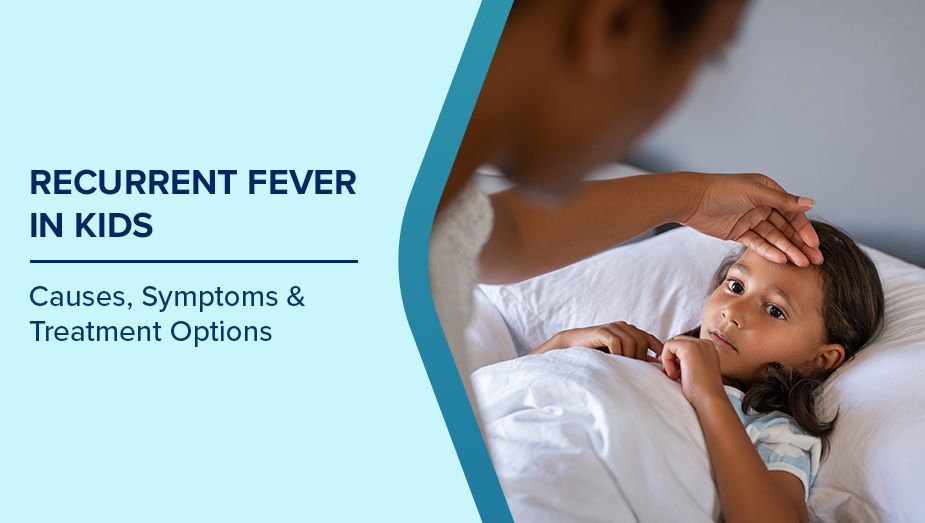
Fever is a common part of childhood. Most of the time, it's caused by a mild viral infection that resolves on its own. However, when a child experiences recurrent fever—episodes that recur without a clear reason—it's natural for parents to become worried. While many cases are still linked to viral illnesses, there are situations where frequent fevers may point to something more serious.
Common Viral Causes of Frequent Fever in Children
In most cases, children experience repeated fevers due to common viral infections, especially in the first few years of life. This is because:
- Their immune system is still developing
- They are exposed to more germs in schools and daycare settings
- Each infection can trigger a similar immune response
Common viral culprits include:
- Common cold (rhinovirus)
- Influenza (flu virus)
- Respiratory syncytial virus (RSV)
- Adenovirus and enterovirus infections
These infections often cause fevers that last for 2 to 5 days and may return after a few weeks, especially during seasonal outbreaks.
Non-Viral Causes of Recurrent Fever in Kids
If your child experiences frequent fevers that are not explained by common viral infections, it's essential to consider non-viral causes. These require closer attention and medical evaluation.
Pediatric Autoimmune Diseases
Some autoimmune conditions affect children and can cause chronic inflammation throughout the body, leading to recurring fevers.
- Juvenile Idiopathic Arthritis (JIA): Often presents with fever, joint swelling, and stiffness.
- Systemic Lupus Erythematosus (SLE): A rare but serious condition affecting multiple organs.
Periodic Fever Syndromes
These are a group of rare conditions in which a child experiences cyclical episodes of fever with no apparent infection.
- PFAPA Syndrome (Periodic Fever, Aphthous Stomatitis, Pharyngitis, and Adenitis): Common in children under 5.
- Familial Mediterranean Fever (FMF): More likely in children with a family history and specific ethnic backgrounds.
Infections That Linger or Recur
Some bacterial or parasitic infections don't go away easily and may flare up again.
- Urinary tract infections (UTIs)
- Tuberculosis (TB)
- Typhoid fever
- Malaria (in endemic regions)
Blood Cancers and Immune Disorders
Although less common, conditions like leukaemia or primary immune deficiency disorders can cause repeated fevers with no clear infection.
When to Worry About Recurrent Fever in a Child
Not all fevers are dangerous. But you should seek medical advice if your child:
- Has fevers that return regularly, with no other signs of cold or flu
- Experiences fevers lasting more than 7 days
- Shows signs of fatigue, weight loss, night sweats, or joint pain
- Has a family history of autoimmune or periodic fever syndromes
- Looks weak or pale or has unusual bruising or rashes
- Is not gaining weight or growing normally
These signs may indicate something more than a common infection.
When to See a Pediatrician
If your child has had more than three fevers in six months, especially with no clear source, it's time to consult a paediatrician or pediatric immunologist.
Medical experts will evaluate your child's:
- Complete history
- Physical examination
- Growth pattern
- Family medical background
How Doctors Diagnose the Cause of Frequent Fever
Diagnosis often involves ruling out common conditions first. The doctor may recommend:
- Blood tests: To check for infection, inflammation markers, or blood disorders
- Urine tests: To identify UTIs
- Chest X-ray or ultrasound: If internal infections are suspected
- Autoimmune markers: Like ANA or ESR, if lupus or JIA is a concern
- Genetic testing: For periodic fever syndromes in select cases
Keeping a fever diary noting the days, duration, and symptoms can be very helpful.
Treatment and Long-Term Care
Treatment depends on the underlying cause. Here's how different conditions are managed:
For Viral Infections
- Rest, fluids, and paracetamol as needed
- No antibiotics (they don't work on viruses)
For Periodic Fever Syndromes
- Medications like corticosteroids (short-term)
- Tonsillectomy may help in PFAPA cases
- Regular follow-ups
For Autoimmune Diseases
- Anti-inflammatory or immunosuppressive medications
- Monitoring by a pediatric rheumatologist
- Physical therapy, if needed
For Chronic Infections
- Specific antibiotics or anti-parasitic medications
- Ensuring full course completion
Conclusion
Fever is a natural response of the body. However, if it persists—especially without other symptoms—parents should take it seriously. Recurrent fever in kids may be the body's way of telling you something deeper is going on. Early diagnosis, timely treatment, and regular follow-ups can help your child live a healthier life.
Frequently Asked Questions
Can teething cause recurrent fever in babies?
Mild temperature may occur with teething, but true fever (above 100.4°F or 38°C) is usually due to infection. Recurrent high fever should not be blamed on teething alone.
Can allergies cause repeated fevers in kids?
Allergies typically cause symptoms such as sneezing, itching, and congestion. They do not cause fever. If fever is present, an infection or inflammatory cause should be considered.
Are there home remedies for recurrent fever in children?
While lukewarm baths, hydration, and rest help manage fever symptoms, it's essential to identify the underlying cause through medical evaluation before relying on home remedies.
Can vaccinations cause recurrent fevers?
Vaccines may cause mild fever for 1–2 days after the shot. However, recurrent fevers over weeks or months are not related to vaccinations and should be evaluated.
Is iron deficiency linked to frequent fever in kids?
Iron deficiency may weaken the immune system over time, making a child prone to infections. It may not directly cause fever, but it can contribute to frequent illnesses.
Written and Verified by:

Related Blogs

Dr. Nidhi Rawal In Paediatrics (Ped)
Nov 13 , 2020 | 2 min read

Blogs by Doctor


Growing Up Healthy and Happy: A Complete Guide to Childhood Well-Being
Dr. Preeti Anand In Paediatrics (Ped)
Dec 19 , 2023 | 4 min read
Most read Blogs


Related Blogs
Dr. Nidhi Rawal In Paediatrics (Ped)
Nov 13 , 2020 | 2 min read
Blogs by Doctor
Growing Up Healthy and Happy: A Complete Guide to Childhood Well-Being
Dr. Preeti Anand In Paediatrics (Ped)
Dec 19 , 2023 | 4 min read
Most read Blogs