 WhatsApp Us (24/7)
 +91 926 888 0303 (24/7)


To Book an Appointment
Call Us+91 926 888 0303Recovery After Hip and Knee Replacement: Signs & Challenges
By Dr. Prasoon Kant Shamshery in Orthopaedics & Joint Replacement
Feb 12 , 2026

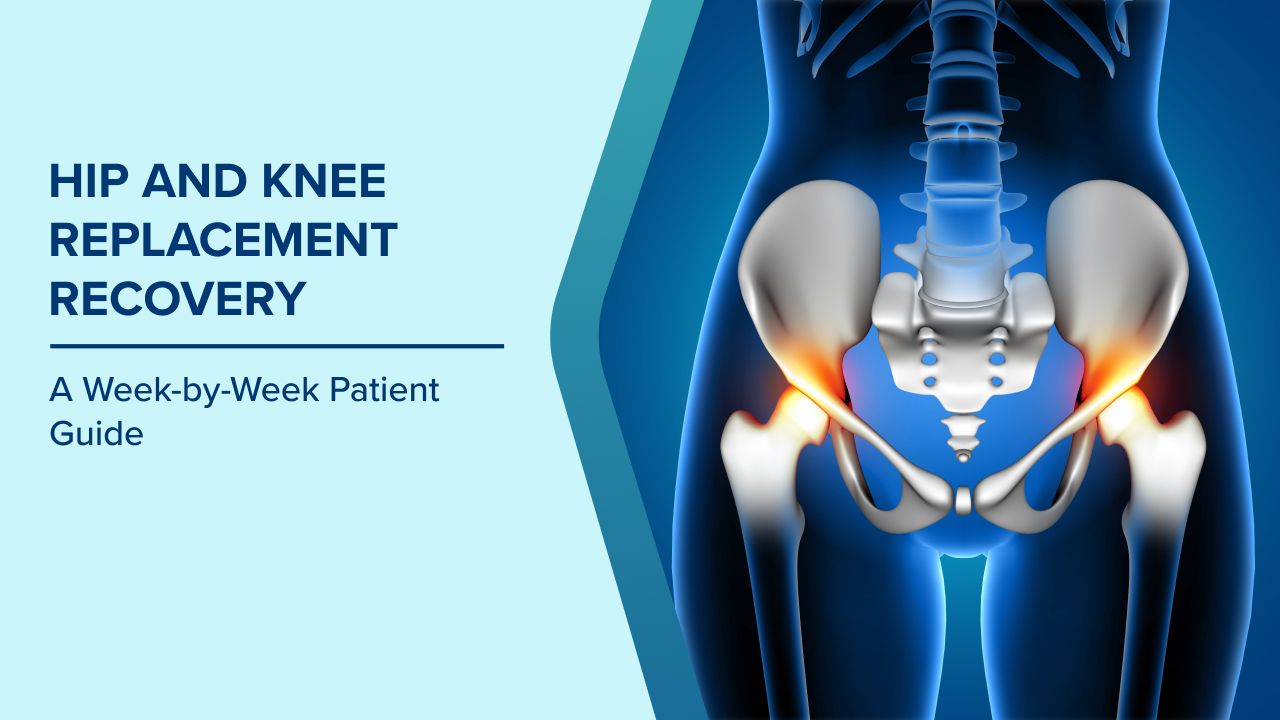
Recovery after hip and knee replacement surgery is one of the most common concerns patients have before deciding on joint replacement. Hip and knee replacements are widely performed procedures that help relieve chronic joint pain, improve mobility, and restore quality of life, especially in people with osteoarthritis, rheumatoid arthritis, or joint damage from injury. While the surgery itself usually lasts only a few hours, recovery is a gradual process that unfolds over weeks and months. Understanding the recovery timeline after hip and knee replacement helps patients set realistic expectations, plan daily activities, and actively participate in rehabilitation.
Understanding Hip and Knee Replacement Recovery
Hip and knee replacement recovery varies from person to person, but most patients follow a predictable healing pattern. Recovery depends on several factors, including age, overall health, fitness level before surgery, the type of implant used, and commitment to physiotherapy. Key goals of recovery include:
- Reducing pain and swelling
- Restoring joint movement
- Regaining muscle strength
- Returning to daily activities safely
- Preventing complications
Both hip replacement recovery and knee replacement recovery require patience, regular exercise, and gradual progress rather than rushing milestones.
Week 1 After Surgery: Hospital Stay and Early Movement
What to Expect in the First Week
The first week after hip or knee replacement focuses on pain control, wound care, and early mobility. Most patients stay in the hospital for two to four days.
Common experiences during week one include:
- Post-surgical pain and stiffness around the joint
- Swelling and bruising near the surgical site
- Fatigue and reduced appetite
- Difficulty standing or walking without support
Mobility and Activity
- Standing and walking usually begin within 24 hours
- A walker or crutches are used for support
- Simple exercises start to improve blood flow and prevent stiffness
Pain and Medication
Pain is managed using prescribed pain relievers. Mild discomfort during movement is expected, but severe or worsening pain should be reported.
Week 2: Transition to Home and Building Confidence
Healing Progress
By the second week, surgical wounds begin to heal, and swelling slowly reduces. Staples or sutures may be removed depending on healing.
Physical Activity
- Walking distance gradually increases indoors
- Basic physiotherapy exercises continue daily
- Sitting and standing become easier
Daily Activities
- Many patients can perform light self-care tasks
- Climbing stairs with assistance may be possible
- Rest periods are still important
What Is Normal
- Morning stiffness
- Mild pain after exercise
- Occasional sleep disturbance
Week 3 to Week 4: Regaining Independence
Strength and Mobility Changes
During weeks three and four, patients often notice steady improvements in joint movement and confidence.
Improvements include:
- Better balance while walking
- Reduced reliance on walking aids
- Increased knee bending or hip flexibility
Physical Therapy Focus
- Strengthening surrounding muscles
- Improving joint range of motion
- Correcting walking posture
Daily Life
- Short outdoor walks may be possible
- Basic household activities resume
- Driving may be allowed after medical clearance
Weeks 5 and 6: Improved Function and Endurance
How the Joint Feels
By this stage, pain is usually milder and occurs mainly after exercise or prolonged activity.
Common experiences include:
- Muscle soreness rather than joint pain
- Improved sleep quality
- Less swelling
Activity Level
- Walking longer distances with better confidence
- Climbing stairs with minimal support
- Increasing physiotherapy intensity
Recovery Milestones
- Many patients stop using walking aids
- Return to desk-based work may be possible
- Greater control over joint movement
Weeks 7 to 12: Strengthening and Return to Routine
Functional Improvements
This phase focuses on restoring strength and stability.
- Improved joint endurance
- Better coordination and balance
- Reduced stiffness during movement
Exercise and Rehabilitation
- Advanced strengthening exercises
- Low-impact activities such as cycling or swimming
- Continued focus on posture and alignment
Daily Activities
- Most daily tasks can be performed independently
- Mild discomfort after prolonged activity is normal
- Long walks become more comfortable
Three to Six Months: Near Normal Movement
Joint Performance
By three to six months, most patients experience significant improvement in joint function.
What patients often notice:
- Minimal pain during routine activities
- Improved confidence in joint stability
- Increased muscle strength
Lifestyle Improvements
- Participation in low-impact sports
- Travel and longer outings
- Improved overall quality of life
While recovery feels advanced, continued exercises help maintain joint health.
Six Months to One Year: Full Recovery Phase
Long Term Healing
Complete healing after hip or knee replacement can take up to one year.
During this time:
- Muscles continue to strengthen
- Scar tissue softens
- Joint movements feel more natural
Expected Outcome
- Stable and pain-free joint function
- Ability to perform most daily activities comfortably
- Long-lasting improvement in mobility
Common Challenges During Recovery
- Pain Fluctuations: Pain may vary day to day depending on activity levels. This is normal during healing.
- Swelling: May persist for several weeks and improve with rest, elevation, and gentle movement.
- Emotional Changes: Some patients feel frustrated or anxious during recovery. Support and realistic expectations help manage emotional stress.
Warning Signs That Need Medical Attention
Contact a healthcare provider if you notice:
- Increasing redness or discharge from the wound
- Fever or chills
- Sudden severe pain
- Calf pain or swelling
- Difficulty breathing
Early medical evaluation helps prevent serious complications.
Tips for Faster and Safer Recovery
- Follow physiotherapy instructions carefully
- Maintain a healthy diet rich in protein
- Stay hydrated
- Avoid high-impact activities
- Use supportive footwear
- Keep follow-up appointments
Conclusion
Recovery after hip and knee replacement is a gradual journey that unfolds over several months. A clear understanding of the recovery timeline helps patients stay motivated, avoid unnecessary worry, and recognise normal healing patterns. Most people experience steady improvement in pain, mobility, and strength when they follow rehabilitation plans and maintain realistic expectations. Early movement, consistent physiotherapy, and timely medical guidance are crucial for achieving the best outcome. If you are planning joint replacement or are already recovering, regular communication with your orthopaedic team ensures safe healing and long-term joint health.
Frequently Asked Questions
How long does it take to walk normally after hip or knee replacement?
Most patients begin walking with support within a day of surgery. Walking without aids often becomes possible within 4 to 6 weeks, although full confidence and a normal gait may take several months.
Is recovery faster for hip replacement or knee replacement?
Hip replacement recovery is often slightly faster than knee replacement recovery. Knee surgery often leads to increased stiffness and muscle weakness, which may take longer to improve.
Can joint replacement fail during recovery?
Implant failure is uncommon during early recovery. Following weight-bearing instructions, avoiding falls, and attending follow-up visits significantly reduce the risk.
When can I return to work after a joint replacement?
Return to work depends on job type. Desk-based work may resume in four to six weeks, while physically demanding jobs may require three months or more.
Do implants last for life?
Modern hip and knee implants often last fifteen to twenty years or longer. Longevity depends on activity level, body weight, and overall joint care.
Written and Verified by:

Related Blogs


Dr. Ashish Jain In Orthopaedics & Joint Replacement
Nov 07 , 2020 | 1 min read
Most read Blogs


Related Blogs
Dr. Ashish Jain In Orthopaedics & Joint Replacement
Nov 07 , 2020 | 1 min read
Most read Blogs