 WhatsApp Us (24/7)
 +91 926 888 0303 (24/7)


To Book an Appointment
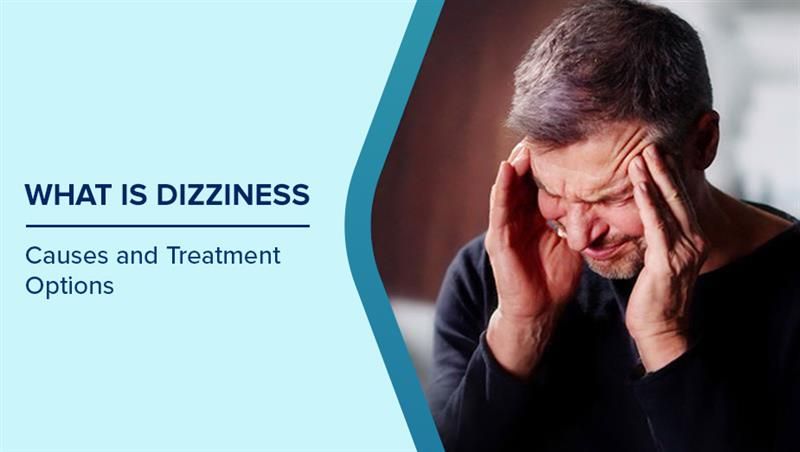
Call Us+91 926 888 0303What is Dizziness: Causes and Treatment Options
By Medical Expert Team
Feb 09 , 2026

Dizziness can manifest as either a brief episode of lightheadedness or a prolonged sensation of vertigo, affecting balance and daily activities. It can arise from various factors, including temporary conditions or chronic disorders. While it is often harmless, it can sometimes indicate serious underlying health concerns that require medical evaluation. This blog provides a comprehensive overview of dizziness, covering its causes, risk factors, symptoms, and various treatment options, ranging from home remedies to medical interventions. We will also explore a range of treatment options, including home-based approaches, lifestyle modifications, vestibular rehabilitation, and medications. Our goal is to provide you with actionable solutions to help manage dizziness effectively.
What is Dizziness?
Dizziness is a broad medical term encompassing various symptoms related to balance, spatial orientation, and equilibrium disturbances. It can manifest as:
- Lightheadedness: A sensation of near-fainting or sudden weakness, often occurring due to low blood pressure, dehydration, or rapid posture changes.
- Vertigo: A false sensation of movement, where the person feels like they or their surroundings are spinning. It is frequently accompanied by nausea, imbalance, and motion sensitivity, and is commonly linked to inner ear disorders or neurological conditions.
- Imbalance (Disequilibrium): A sense of instability or difficulty walking, which may be triggered by postural changes, musculoskeletal issues, or neurological impairments.
Dizziness can be alarming, especially when it happens suddenly or repeatedly. It’s essential to understand the root causes and seek appropriate treatment to manage it effectively.
What Causes Dizziness?
The causes of dizziness can vary widely, ranging from simple issues like dehydration or ear infections to more complex medical conditions. The most common causes of dizziness include:
Inner Ear Problems
The inner ear, particularly the vestibular system, plays a critical role in detecting head movement, coordinating balance, and stabilizing vision. Issues that affect the inner ear can cause vertigo or other forms of dizziness. Common inner ear conditions include:
- Benign Paroxysmal Positional Vertigo (BPPV): This occurs when calcium carbonate crystals (otoconia) break free and move into the semicircular canals, causing episodic vertigo triggered by head movements, such as rolling in bed or tilting the head upward.
- Meniere's Disease: A chronic inner ear disorder characterised by recurrent vertigo, fluctuating hearing loss, tinnitus (ringing in the ears), and a sensation of fullness in the affected ear. It is believed to be related to abnormal fluid buildup in the cochlea and vestibular system.
- Vestibular Neuritis: Vestibular neuritis is an inflammation of the vestibular nerve, often caused by a viral infection. It leads to sudden, severe vertigo that can last for several days.
Low Blood Pressure (Hypotension)
A sudden drop in blood pressure, especially when standing up quickly, can lead to dizziness. This condition is known as orthostatic hypotension. Symptoms of orthostatic hypotension include lightheadedness and the feeling of fainting, often accompanied by blurred vision. It can occur due to dehydration, prolonged bed rest, or certain medications.
Dehydration
Dehydration occurs when the body does not have enough water to carry out its normal functions. When dehydrated, blood pressure can drop, and the blood volume decreases, which may lead to dizziness. In severe cases, dehydration can cause the body to lose the ability to regulate temperature, making dizziness worse.
Medications
Certain medications can cause dizziness as a side effect. These may include medications used to treat high blood pressure (antihypertensives), antidepressants, tranquilizers, and sedatives. Some medications can make individuals feel lightheaded or cause dizziness, especially when combined with other drugs.
Anxiety and Stress
Dizziness can sometimes be a psychological response to stress and anxiety. When under stress, people may hyperventilate, which reduces the levels of carbon dioxide in the blood and can lead to dizziness. Panic attacks, in particular, can cause dizziness, shortness of breath, and a rapid heartbeat.
Migraines
Migraine headaches are commonly associated with dizziness, particularly vestibular migraines, which cause vertigo and dizziness without the usual headache. Migraines may involve changes in blood flow in the brain, leading to dizziness, and some people experience dizziness as part of the aura phase before a migraine headache begins.
Low Blood Sugar (Hypoglycemia)
Dizziness can occur when blood sugar levels drop too low. This condition is common in people with diabetes who take insulin or other medications to manage their blood sugar. When blood sugar levels fall too quickly, symptoms of dizziness, sweating, and confusion may arise.
Heart Problems
Certain heart conditions, such as arrhythmias (irregular heartbeats), heart attacks, and heart failure, can lead to dizziness. When the heart is unable to pump blood effectively, it can result in reduced blood flow to the brain, causing dizziness or even fainting. Any dizziness associated with chest pain or shortness of breath should be taken seriously.
Neurological Disorders
Certain neurological conditions can cause dizziness by affecting the brain's ability to process balanced information. These conditions include Parkinson’s disease, multiple sclerosis, and stroke. Any sudden dizziness accompanied by other neurological symptoms, such as difficulty walking, slurred speech, or weakness, should be addressed by a healthcare provider immediately.
Anemia
Anemia, a condition where the body does not have enough red blood cells or hemoglobin to carry oxygen to tissues, can cause dizziness due to insufficient oxygen being delivered to the brain. People with anemia may experience fatigue, shortness of breath, and dizziness, particularly when standing up quickly.
How is Dizziness Treated?
Treatment for dizziness depends on the underlying cause. In many cases, dizziness can be managed through lifestyle changes, home remedies, and medication. Below are common treatment approaches:
Medications
If the dizziness is related to a specific condition, medications may be prescribed. For example:
- Antihistamines (such as meclizine) and benzodiazepines (such as diazepam) can help reduce vertigo-related dizziness by calming vestibular signals in the brain.
- Diuretics are used to treat Meniere's disease by reducing fluid buildup in the inner ear.
- Beta-blockers (e.g., propranolol) and calcium channel blockers (e.g., verapamil) are used to stabilize heart rate fluctuations that contribute to dizziness.
Vestibular Rehabilitation Therapy (VRT)
Vestibular Rehabilitation Therapy (VRT) is a structured exercise-based program designed to improve gaze stability, enhance balance control, and reduce dizziness intensity in individuals with vestibular dysfunctions. VRT can be particularly helpful for conditions like BPPV, Meniere’s disease, and vestibular neuritis.
Lifestyle Changes
Making some simple lifestyle changes can help reduce or prevent dizziness. For example:
- Hydration: Drinking enough water is crucial for maintaining blood volume and preventing dizziness.
- Healthy Diet: Eating balanced meals at regular intervals can prevent dizziness caused by low blood sugar.
- Exercise: Regular physical activity, such as walking or strength training, can help improve circulation and reduce dizziness.
- Stress Management: Techniques such as deep breathing, yoga, and meditation can help alleviate dizziness associated with anxiety.
Surgery
In rare cases, surgery may be required to treat dizziness. This is usually the case for people with severe inner ear conditions, such as Meniere’s disease, or for those who do not respond to other treatments. Surgical options may include procedures to drain fluid from the inner ear or to remove parts of the inner ear that are causing balance issues.
When is Dizziness a Sign of a Serious Condition?
While dizziness is often a minor issue, it can also indicate a serious underlying condition. Seek immediate medical attention if dizziness is accompanied by:
- Sudden, severe headache or neck pain: Could indicate stroke, aneurysm, or intracranial bleeding. Seek immediate emergency care if symptoms arise abruptly.
- Chest pain, shortness of breath, or palpitations: These symptoms could indicate a cardiovascular problem, such as a heart attack or arrhythmia.
- Sudden speech difficulty, facial drooping, or limb weakness: Critical signs of stroke—seek emergency medical attention without delay.
- Severe vomiting or hearing loss: These symptoms may point to an inner ear problem, such as Meniere’s disease.
Consult Today
If dizziness is interfering with daily life, seeking professional help is essential to identify the underlying cause and determine an effective treatment. Max Hospital is home to a team of specialists with expertise in diagnosing and treating the various causes of dizziness. Whether the issue stems from inner ear disorders, neurological conditions, or other contributing factors, our hospital is equipped with advanced diagnostic tools to pinpoint the cause accurately. Contact Max Hospital’s specialists today for a comprehensive evaluation and accurate diagnosis.
FAQs on Dizziness
Can dizziness be caused by poor posture?
Yes, improper posture can contribute to dizziness, especially when it restricts blood flow to the brain or affects spinal alignment. Slouching, forward head posture, or spinal misalignment can interfere with cervical blood circulation, leading to lightheadedness, imbalance, or even tension headaches. Maintaining proper spinal posture, taking frequent breaks from prolonged sitting, and engaging in posture-correcting exercises (such as yoga or core strengthening) can help reduce dizziness.
Can dizziness affect my ability to drive safely?
Yes, dizziness can severely impair driving ability, leading to blurred vision, disorientation, reduced reaction time, and poor coordination. If you experience recurrent dizziness, consult a doctor before driving. In severe cases, dizziness may indicate an underlying condition, making it unsafe to operate a vehicle.
Does dizziness worsen with age?
Yes, dizziness becomes more prevalent in older adults, primarily due to age-related degeneration of the vestibular system, reduced circulatory efficiency, and the side effects of multiple medications (polypharmacy). However, dizziness is not an inevitable part of aging. With balance training, proper hydration, and regular health check-ups, symptoms can often be managed effectively.
Are there any lifestyle changes that could help manage dizziness?
Yes, adopting certain lifestyle modifications can significantly reduce dizziness symptoms. These include:
- Regular exercise: Engage in balance-focused activities such as yoga, tai chi, or core-strengthening workouts to enhance stability and reduce dizziness episodes.
- Identify and Manage Triggers: If certain movements (e.g., sudden head turns, looking down quickly, or bending over) cause dizziness, perform them gradually or avoid them when possible.
- Prioritize Sleep Hygiene: Inadequate sleep can disrupt the autonomic nervous system, leading to dizziness. Maintain a consistent sleep schedule and avoid screen time before bed to promote restful sleep.
Can stress or emotional tension cause dizziness?
Yes, chronic stress and anxiety can trigger dizziness by affecting blood circulation, increasing cortisol levels, and causing hyperventilation. Panic attacks and excessive worry can cause dizziness due to overbreathing (hyperventilation), muscle tension, and increased heart rate, reducing oxygen flow to the brain. Managing stress through relaxation techniques may help alleviate symptoms.
Are there any specific foods or drinks that can help with dizziness?
Certain foods and drinks may help prevent dizziness by ensuring stable blood sugar levels and hydration:
- Water: Hydration is crucial for maintaining optimal blood volume and preventing dehydration-induced dizziness.
- Electrolyte-rich drinks: Fluids containing potassium, sodium, and magnesium (e.g., coconut water, sports drinks) help stabilize blood pressure and prevent dizziness episodes.
- Balanced nutrition: Consume iron-rich foods (e.g., spinach, lean meats) to prevent anemia-related dizziness, and vitamin B12 sources (e.g., eggs, dairy) to support nervous system health.
Can dizziness occur without any apparent cause?
Yes, dizziness may sometimes occur without an identifiable cause, which can be linked to hormonal fluctuations, autonomic nervous system dysfunction, or temporary inner ear imbalances. However, persistent, recurrent, or severe dizziness should always be evaluated by a healthcare professional to rule out neurological, cardiovascular, or vestibular disorders.
Related Blogs

Dr. Chandril Chugh In Neurosciences , Interventional Neurology
Nov 08 , 2020 | 1 min read

Dr. Chandril Chugh In Neurosciences , Interventional Neurology
Nov 08 , 2020 | 2 min read
Blogs by Doctor
Most read Blogs


Related Blogs
Dr. Chandril Chugh In Neurosciences , Interventional Neurology
Nov 08 , 2020 | 1 min read
Dr. Chandril Chugh In Neurosciences , Interventional Neurology
Nov 08 , 2020 | 2 min read
Blogs by Doctor
Most read Blogs