 WhatsApp Us (24/7)
 +91 926 888 0303 (24/7)


To Book an Appointment
Call Us+91 926 888 0303PSA Test: Understanding Prostate Health Screening
By Dr. Abhay Kalra in Urology
Jul 14 , 2025 | 8 min read
1

Men’s health is often overlooked until serious symptoms emerge. Proactive screening, however, can make a crucial difference, particularly for conditions such as prostate cancer, a leading cancer among men. The prostate-specific antigen (PSA) test is essential for early detection, offering insights into prostate health before symptoms appear. Regular screenings, combined with healthy lifestyle choices like a balanced diet and exercise, play a significant role in maintaining prostate health.
What is a PSA Test?
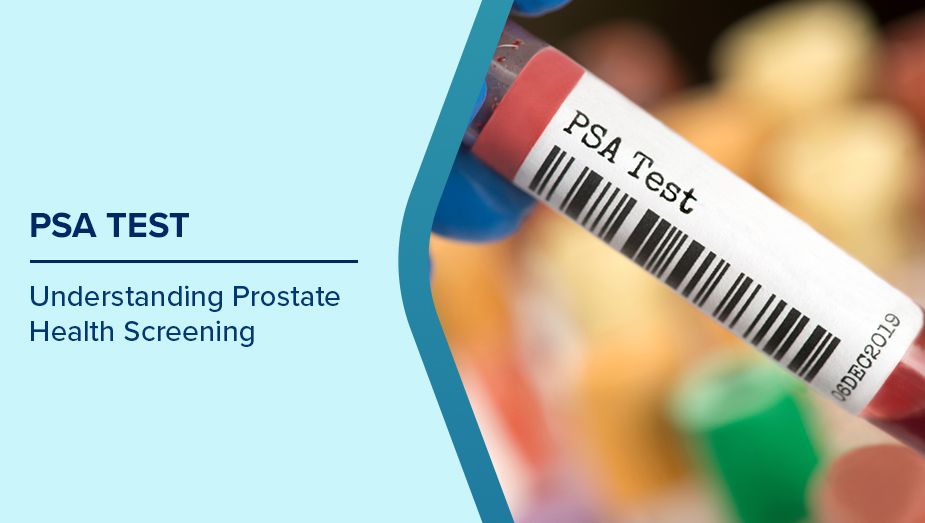
The PSA test is a straightforward blood test that measures prostate-specific antigen (PSA) levels in the blood. It serves as a key screening tool to detect prostate issues, including cancer, at an early stage. PSA testing is often part of routine health check-ups for men over 50 or those at high risk.
Understanding the Prostate-Specific Antigen (PSA)
PSA is a protein produced by the prostate gland. While small amounts are normal, elevated PSA levels can indicate an enlarged prostate, infection, or prostate cancer. Factors such as age, race, and family history influence PSA levels, making personalised evaluation essential.
Purpose of a PSA Test
The prostate-specific antigen test serves as an essential tool for early detection and monitoring of prostate health. Its main purposes include:
- Screening for Prostate Cancer: Detecting early signs, especially in high-risk individuals.
- Monitoring Prostate Health: Managing conditions like benign prostatic hyperplasia (BPH) or prostatitis.
- Evaluating Treatment Effectiveness: Assessing the success of prostate cancer treatments like surgery, radiation, or hormone therapy.
- Detecting Recurrence: Identifying any potential relapse after treatment.
Symptoms of Prostate Issues
Prostate problems can manifest in various ways, often disrupting daily life and causing discomfort. While some symptoms may be mild, others can indicate serious underlying conditions that require medical attention. Here are common signs to watch out for:
- Frequent Urination, Especially at Night
Frequent urination, especially at night (nocturia), which may result from an enlarged prostate pressing on the bladder. - Difficulty Starting or Stopping Urine Flow
Struggling to initiate urination or having trouble fully stopping can signal a blockage or irritation in the urinary tract caused by prostate enlargement or inflammation. - Weak or Interrupted Urine Stream
A weak or intermittent urine flow is often a sign of an enlarged prostate pressing against the urethra, restricting urine flow. - Blood in Urine or Semen
The presence of blood in urine (hematuria) or semen (hematospermia) can be alarming and may indicate prostate inflammation, infection, or, in some cases, prostate cancer. - Pain or Discomfort in the Pelvic Area
Persistent pain or a feeling of pressure in the pelvic region can be linked to prostatitis or other prostate-related conditions. - Erectile Dysfunction or Pain During Ejaculation
Prostate issues can interfere with sexual function, causing erectile dysfunction or pain during ejaculation.
Who Should Consider a PSA Test?
A PSA test isn’t necessary for everyone, but certain groups of men are at a higher risk of developing prostate-related issues:
Men Over the Age of 50
Prostate cancer and other prostate-related conditions are more common in men as they age, particularly after 50. Regular PSA testing can help detect issues early.
Individuals with a Family History of Prostate Cancer
Men with close relatives (such as a father or brother) who have been diagnosed with prostate cancer are at a higher genetic risk. Starting PSA screening earlier, around age 40–45, may be advisable for this group.
Men Experiencing Prostate-Related Symptoms
Men experiencing symptoms such as frequent urination, pelvic discomfort, or difficulty with urination may benefit from a PSA test that can help identify the root cause and guide treatment decisions.
How is the PSA Test Performed?
The PSA test is a simple and non-invasive blood test designed to measure the levels of prostate-specific antigen in the bloodstream. Proper preparation ensures the most accurate results.
Preparing for the PSA Test
Getting ready for a PSA test involves a few key considerations to avoid factors that might artificially raise or lower PSA levels.
- Activities and Foods to Avoid Before the Test
- Avoid ejaculation for 24–48 hours before the test, as it can temporarily elevate PSA levels.
- Refrain from vigorous physical activities, especially cycling, which may also affect results.
- There are no specific dietary restrictions, but it’s advisable to follow doctor’s guidance if the patient has other health conditions.
- Medications That May Impact PSA Levels
Certain medications, such as 5-alpha-reductase inhibitors (used to treat enlarged prostate), can lower PSA levels. Inform the doctor about medications, including supplements, as they may influence the test’s accuracy.
- Lifestyle Tips to Ensure Accurate Test Results
Schedule the test before undergoing any prostate procedures, as they may temporarily affect PSA levels. Stay hydrated to make blood sample collection smoother.
Blood Sample Collection Process
The PSA test procedure is straightforward and typically involves:
- A healthcare provider will clean the area where blood will be drawn (usually from the arm).
- A small needle is inserted to collect a blood sample, which only takes a few minutes.
- The sample is sent to a laboratory for analysis.
How Long Does it Take to Get PSA Test Results?
PSA test results are generally available within 1–3 business days, depending on the laboratory and healthcare facility. A doctor will review the results to interpret the findings and recommend next steps if necessary.
What Do PSA Test Results Indicate?
PSA test results can provide critical insights into prostate health. Understanding these results helps determine whether further evaluation or treatment is necessary.
Normal vs. Elevated PSA Levels
While PSA levels can vary by age and individual health, here’s a general guideline:
|
PSA Level (ng/mL) |
Interpretation |
|
0–2.5 |
Normal range for most men. |
|
2.6–4.0 |
It may be normal, but further evaluation could be necessary for some. |
|
4.1–10.0 |
Potentially elevated; requires additional testing. |
|
Above 10.0 |
High risk of prostate cancer; immediate evaluation needed. |
Note: PSA levels vary with age; older men may naturally have slightly higher "normal" levels.
Anything above 10.0 is considered a dangerous PSA level and should be reported to a doctor. It is important to determine the causes of elevated PSA levels for prompt treatment and care.
Factors That Can Influence PSA Levels
Several factors can raise or lower PSA levels without indicating cancer:
- Causes of Temporary Elevations in PSA Levels:
- Prostate infections or inflammation (prostatitis).
- Recent ejaculation or vigorous physical activity.
- Recent prostate exams or surgeries.
- Causes of Temporary Reductions in PSA Levels:
- Certain medications, like 5-alpha-reductase inhibitors.
- Low testosterone levels.
When to Seek Further Medical Evaluation
If your PSA levels are elevated or show a sudden increase over time, it’s essential to consult a doctor. They may order additional tests to determine the cause and develop a treatment plan.
- PSA Levels Consistently Above Normal Range: Repeated high readings despite lifestyle modifications may warrant further investigation.
- Rapid Increase in PSA Levels: A sharp or sudden rise in PSA levels over a short period is a cause for concern.
- Symptoms of Prostate Issues: Experiencing urinary difficulties, pelvic discomfort, or blood in urine/semen alongside elevated PSA levels.
- Family History of Prostate Cancer: If there’s a family history, and PSA levels are borderline or elevated.
- Age-Adjusted PSA Levels: PSA levels higher than what is typical for one’s age group require closer examination.
- Doctor’s Recommendation: If a doctor suggests follow-up tests, such as a biopsy, imaging, or digital rectal exam, based on elevated PSA results.
Remember, an elevated PSA level doesn’t always mean cancer. It could indicate benign conditions, but early medical evaluation is crucial to determine the cause.
Benefits of PSA Test for Prostate Health
Early Detection Saves Lives
PSA testing helps detect prostate cancer early, when it's most treatable, leading to better outcomes and more effective treatments.
Non-Invasive and Simple Procedure
The PSA test is a quick, blood-based test that requires no invasive procedures, offering a painless and accessible way to monitor prostate health.
Helps in Tailored Prostate Cancer Treatment Plans
For prostate cancer patients, tracking PSA levels aids in monitoring treatment success and adjusting care plans to ensure the best results.
Risks and Limitations of the PSA Test
False Positives and False Negatives
- False positives can lead to unnecessary tests when PSA levels are elevated, but no cancer is present.
- False negatives may miss cancers even if PSA levels are normal.
Overdiagnosis and Overtreatment Risks
- Overdiagnosis can detect slow-growing cancers that may not cause harm.
- Overtreatment can result in unnecessary procedures, leading to side effects such as incontinence or erectile dysfunction.
Understanding the PSA Test in the Context of Overall Health
PSA results should be interpreted alongside other health factors, such as age and family history, for a more accurate assessment.
PSA Test vs. Other Prostate Diagnostic Methods
Digital Rectal Exam (DRE) vs. PSA Test
- DRE: A healthcare provider physically checks the prostate through the rectum to feel for irregularities. It’s useful for detecting abnormal growths, but it is subjective.
- PSA Test: Measures PSA levels in the blood, providing a more objective marker for potential prostate issues. However, it may miss small tumours that a DRE might detect.
Imaging Tests for Prostate Cancer Diagnosis
- MRI and Ultrasound: Used when PSA levels are elevated or a DRE suggests abnormalities. These imaging tests help visualise the prostate for potential cancer or other abnormalities.
- CT Scans: May be used to check if cancer has spread to nearby tissues or lymph nodes.
Biopsy as a Follow-Up to Elevated PSA Levels
If PSA levels are significantly elevated, a biopsy may be recommended to collect tissue samples from the prostate for examination. This is the definitive method to diagnose prostate cancer, offering a clear answer when other tests show potential concern.
PSA Test Cost and Accessibility
PSA test costs vary depending on several factors, including:
- Geographic location: PSA test prices can be higher in urban areas or specialised clinics.
- Type of healthcare provider: Private labs may charge more compared to public hospitals or clinics.
- Insurance coverage: Many insurance plans cover the cost of PSA testing, particularly for high-risk individuals.
Some hospitals and labs offer discounts or bundled packages for multiple tests. If the test is covered by insurance, out-of-pocket costs may be reduced. Consult a doctor for referrals.
Conclusion
Proactive monitoring of prostate health through regular PSA testing is essential for early detection of potential issues, including prostate cancer. Max Hospital provides comprehensive PSA testing services along with expert consultations and personalised care to guide individuals in maintaining optimal prostate health. Early action can make a vital difference. Book an appointment today to take the first step toward improved prostate health.
Frequently Asked Questions About PSA Test
At What Age Should I Start PSA Testing?
Most experts recommend that men start PSA testing at age 50 or 40–45 if you have a family history of prostate cancer. Consult your doctor to determine the best starting age based on your individual risk factors.
Can Elevated PSA Levels Indicate Non-Cancerous Conditions?
Yes, conditions such as BPH, prostatitis, and UTIs can raise PSA levels without indicating cancer.
How Often Should I Get a PSA Test?
Testing is usually done every 2 years for average-risk men over 50. Your doctor will guide you based on your health.
Is the PSA Test Covered by Insurance?
Most insurance plans cover PSA tests, especially for men over 50 or those at higher risk. Verify with your insurer.
What Should I Do If My PSA Levels Are High?
If elevated, further tests like a repeat PSA, DRE, or biopsy may be needed to assess the cause.
Where Can I Get a PSA Test Near Me?
PSA tests are available at all major Max Hospital branches. Contact customer care at +91 926-888-0303 to learn more.
Written and Verified by:

Related Blogs

Dr. Anant Kumar In Urology , Kidney Transplant , Uro-Oncology
Nov 08 , 2020 | 8 min read

Dr. Shailendra Kumar Goel In Urology , Kidney Transplant , Uro-Oncology
Nov 08 , 2020 | 4 min read
Blogs by Doctor


Urinary Bladder Cancer: Warning Signs You Must Not Ignore
Jan 17 , 2025 | 10 min read
Most read Blogs


Related Blogs
Dr. Anant Kumar In Urology , Kidney Transplant , Uro-Oncology
Nov 08 , 2020 | 8 min read
Dr. Shailendra Kumar Goel In Urology , Kidney Transplant , Uro-Oncology
Nov 08 , 2020 | 4 min read
Blogs by Doctor
Urinary Bladder Cancer: Warning Signs You Must Not Ignore
Jan 17 , 2025 | 10 min read
Most read Blogs