 WhatsApp Us (24/7)
 +91 926 888 0303 (24/7)


To Book an Appointment
Call Us+91 926 888 0303How Polluted Air Affects the Lung: Symptoms, Causes & Prevention
By Dr. Gyanendra Agrawal in Pulmonology , Critical Care
Jan 05 , 2026 | 6 min read

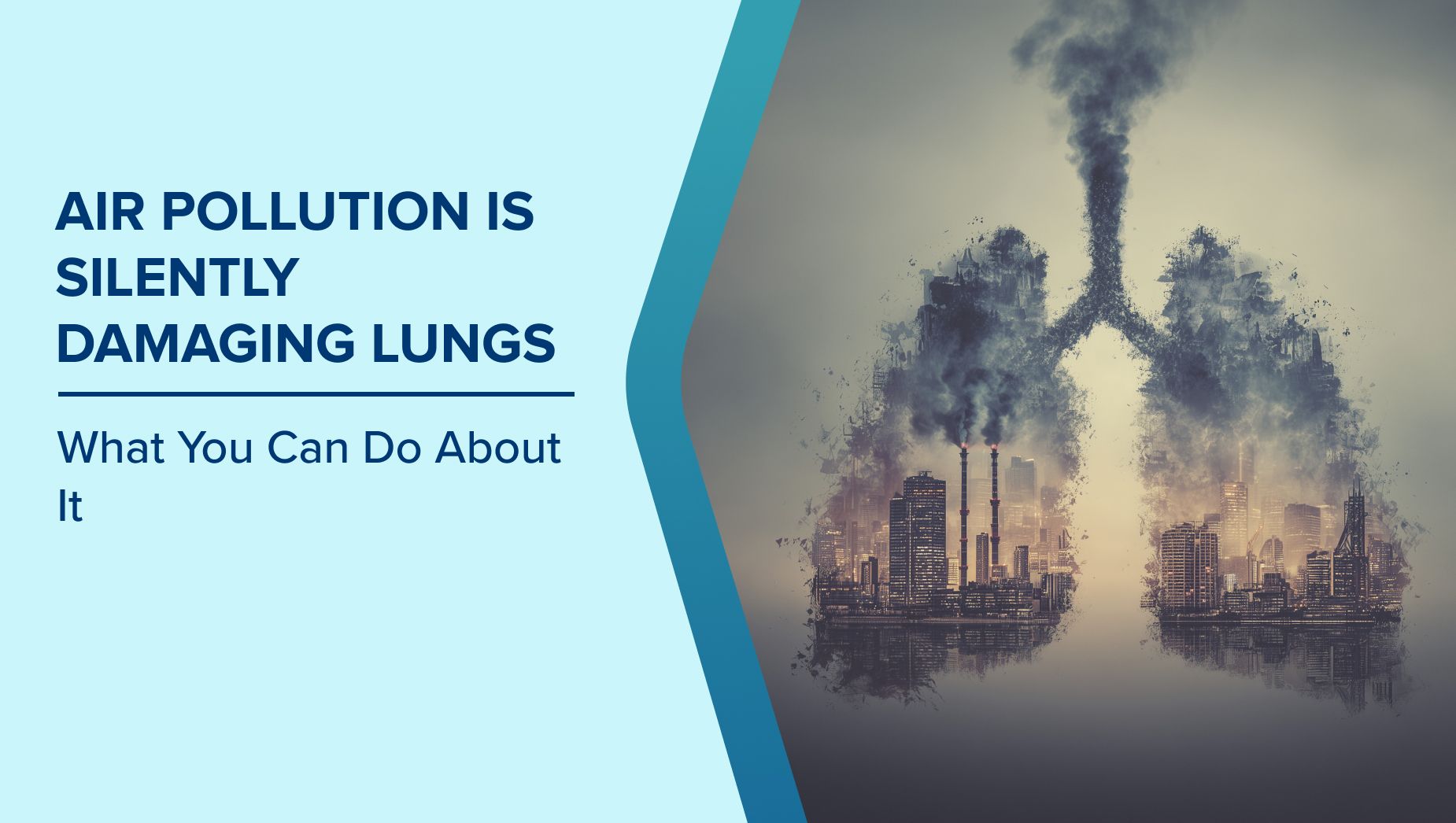
Every breath you take carries invisible particles that can quietly harm your health. Air pollution has become one of the most serious public health challenges, particularly in urban areas. From the dense smog that covers cities during winter to rising vehicle emissions and industrial fumes, polluted air affects millions of people every single day.
Air pollution contributes to millions of premature deaths globally each year, with a large portion linked to respiratory and cardiovascular diseases. In India, where air quality frequently falls below safe levels, the number of patients experiencing breathing problems due to pollution has increased sharply.
But how exactly does polluted air damage your lungs? Why are respiratory diseases becoming more common, and what can you do to protect yourself?
Understanding the Link Between Air Pollution and the Lungs
Your lungs are designed to filter the air you breathe, absorbing oxygen and releasing carbon dioxide. However, when the air contains pollutants like PM2.5, nitrogen dioxide, or ozone, these tiny particles and gases enter deep into your respiratory system.
What Is in Polluted Air?
Polluted air is a mix of several harmful components, including:
- Particulate Matter (PM2.5 and PM10): These microscopic particles are small enough to enter the lungs and bloodstream, triggering inflammation and damage.
- Nitrogen Dioxide (NO₂): Released from vehicle exhaust and industrial emissions, it irritates the airways and worsens asthma symptoms.
- Sulphur Dioxide (SO₂): Commonly emitted from burning fossil fuels, it causes coughing, throat irritation, and breathing difficulty.
- Ozone (O₃): Ground-level ozone forms when sunlight reacts with pollutants, leading to breathing problems and lung irritation.
- Carbon Monoxide (CO): This gas reduces oxygen transport in the blood, putting stress on vital organs.
Continuous exposure to these pollutants leads to inflammation, reduced lung capacity, and increased susceptibility to infections. Over time, the lungs struggle to repair the damage, leading to chronic respiratory diseases.
Major Respiratory Problems Caused by Air Pollution
Asthma
Air pollution is one of the leading triggers of asthma. Fine particles and ozone irritate the airways, causing them to constrict and become inflamed. This results in wheezing, shortness of breath, and coughing fits, especially during high-smog days.
Children and the elderly are particularly vulnerable to pollution-related asthma because their lungs are either still developing or already weakened.
Chronic Obstructive Pulmonary Disease (COPD)
COPD includes conditions like chronic bronchitis and emphysema, which make it difficult to breathe. Long-term exposure to polluted air can accelerate the progression of COPD, even in people who do not smoke.
Patients with COPD often experience persistent cough, increased mucus production, and reduced ability to perform physical activities.
Chronic Bronchitis
Chronic bronchitis caused by air pollution results from prolonged irritation of the bronchial tubes. Pollutants such as smoke and chemical fumes irritate the airways, causing persistent coughing and mucus buildup.
Lung Cancer
While smoking remains the leading cause of lung cancer, prolonged exposure to polluted air also plays a major role in its development. Fine particulate matter, especially PM2.5, carries harmful toxins that can penetrate deep into the lung tissues and damage cells over time. Continuous exposure to such pollutants increases the risk of cellular changes that may eventually lead to cancer.
Acute Respiratory Infections
Inhaling polluted air weakens the lungs’ defence system, making you more susceptible to infections such as pneumonia or acute bronchitis. Children, whose immune systems are still developing, are most at risk.
How Polluted Air Affects the Body
Air pollution harms more than just the lungs; it affects the entire body.
The Role of PM2.5 and PM10
PM2.5 refers to particulate matter with a diameter of 2.5 micrometres or smaller, so small that it can enter the bloodstream. Once inside, these particles cause oxidative stress and systemic inflammation, damaging not only lung tissue but also the heart and brain.
The Smog Effect
Smog, a mixture of smoke and fog, often blankets cities during the winter months. Breathing smog-laden air irritates the respiratory tract, worsens asthma, and reduces oxygen exchange in the lungs.
Toxins and Their Long-Term Impact
Toxic gases, such as ozone and nitrogen dioxide, damage the lining of the lungs. Over time, this leads to scarring, reduced elasticity, and a higher risk of chronic respiratory problems.
Most Affected Groups
While air pollution affects everyone, certain groups are more vulnerable:
- Children: Their lungs are still developing, making them more sensitive to pollutants.
- Elderly Individuals: Age-related decline in lung function makes it harder for the body to cope with polluted air.
- People with Pre-existing Conditions: Those with asthma, COPD, or heart disease experience worsened symptoms during periods of poor air quality.
- Outdoor Workers: People working in construction, traffic, or street vending are continuously exposed to pollutants.
- Pregnant Women: Prolonged exposure can affect fetal development and lead to respiratory issues in newborns.
Symptoms to Watch For
Respiratory problems caused by smog and pollution often begin subtly. Watch for the following warning signs:
- Persistent cough or throat irritation
- Shortness of breath, especially during physical activity
- Wheezing or chest tightness
- Increased mucus or phlegm
- Fatigue and frequent respiratory infections
If these symptoms persist, especially during periods of poor air quality, it is essential to seek medical advice.
Diagnosis and When to Seek Medical Help
Early diagnosis can help prevent long-term lung damage. Doctors may recommend:
- Pulmonary Function Tests (Spirometry): To measure how much air you can inhale and exhale.
- Chest X-ray or CT Scan: To detect lung inflammation or scarring.
- Allergy and Pollution Exposure Tests: To identify triggers.
Seek medical help if breathing problems persist for more than a few days or worsen during high pollution periods. Timely evaluation is critical, especially for individuals with pre-existing conditions.
Treatment and Management Options
Treatment for pollution-related respiratory diseases depends on the severity of symptoms and underlying conditions.
Medical Treatment
- Inhalers and Nebulisers: Used for asthma and COPD to open airways and improve breathing.
- Anti-inflammatory Medications: To reduce swelling in the airways.
- Oxygen Therapy: In severe cases, supplemental oxygen may be prescribed.
- Vaccinations: Against influenza and pneumonia to prevent infections that worsen respiratory conditions.
Lifestyle Management
- Monitor the daily Air Quality Index (AQI) and limit outdoor exposure on days with poor air quality.
- Avoid early morning or late-night outdoor activities when pollution levels are at their peak.
- Use air purifiers at home to filter out harmful particles.
- Wear N95 or N99 masks when stepping outside during smog season.
- Keep indoor spaces well-ventilated, but avoid opening windows when pollution levels are high.
Prevention and Lifestyle Changes: Protecting Your Lungs
- Watch the Air Quality Index: Always check the AQI before heading outdoors. Use mobile apps or government websites to stay updated.
- Create a Clean Indoor Environment: Install air purifiers, use houseplants that enhance air quality (such as spider plants and peace lilies), and avoid smoking indoors.
- Strengthen Your Lungs Naturally: Incorporate breathing exercises like pranayama and deep breathing. Regular physical activity strengthens the respiratory system and boosts immunity.
- Eat for Lung Health: Include antioxidant-rich foods like citrus fruits, leafy greens, turmeric, and ginger. These help reduce inflammation and repair damaged tissue.
- Stay Hydrated: Drinking enough water helps thin mucus in the airways, making it easier for the lungs to function properly.
- Support Environmental Efforts: Encourage green initiatives, carpooling, and reducing waste to improve air quality collectively.
Long-Term Impact and Why Awareness Matters
The long-term effects of breathing polluted air extend beyond temporary discomfort. Prolonged exposure increases the risk of chronic respiratory diseases, heart problems, and even premature lung ageing.
Raising awareness and adopting preventive habits can make a significant difference. Simple lifestyle changes, early medical consultation, and community-level action can together reduce the impact of air pollution on health.
Conclusion
Air pollution is an invisible enemy that silently attacks your lungs, making every breath a potential health risk. Understanding how pollution affects your respiratory system is the first step toward protecting it.
By staying informed, making informed lifestyle choices, and seeking timely medical attention, you can mitigate the effects of polluted air and maintain your lung health. If you experience persistent breathing problems, consult a pulmonologist or respiratory specialist for guidance and treatment. Protect your lungs—they are your body’s most vital filter.
Frequently Asked Questions
What are the best home remedies for pollution-related coughs?
Herbal teas containing ginger, turmeric, and honey can help soothe a sore throat. Steam inhalation and using a humidifier also reduce irritation.
How does indoor air pollution affect lung health?
Indoor pollutants, such as cooking fumes, tobacco smoke, and chemical sprays, can irritate the lungs and contribute to the development of chronic respiratory diseases over time.
Which masks are most effective against particulate matter (PM2.5)?
N95 and N99 masks are the most effective for filtering fine particulate matter. Ensure a snug fit for maximum protection.
What foods can help strengthen the lungs naturally?
Foods rich in antioxidants and vitamins, such as citrus fruits, tomatoes, garlic, and leafy greens, support lung repair and boost immunity.
Can exercise help reduce the effects of air pollution on breathing?
Regular indoor exercise improves lung capacity and resilience. However, avoid outdoor workouts during periods of high pollution.
Written and Verified by:

Related Blogs

Medical Expert Team
Jun 06 , 2015 | 2 min read

Blogs by Doctor

How TB Affects Immunity: Boosting Immunity, Treatment, and Prevention
Dr. Gyanendra Agrawal In Pulmonology , Critical Care
Apr 03 , 2025 | 4 min read

Future of TB Management: Faster, Safer & More Personalized
Dr. Gyanendra Agrawal In Pulmonology , Critical Care
Apr 17 , 2025 | 4 min read
Most read Blogs


Related Blogs
Medical Expert Team
Jun 06 , 2015 | 2 min read
Blogs by Doctor
How TB Affects Immunity: Boosting Immunity, Treatment, and Prevention
Dr. Gyanendra Agrawal In Pulmonology , Critical Care
Apr 03 , 2025 | 4 min read
Future of TB Management: Faster, Safer & More Personalized
Dr. Gyanendra Agrawal In Pulmonology , Critical Care
Apr 17 , 2025 | 4 min read
Most read Blogs