 WhatsApp Us (24/7)
 +91 926 888 0303 (24/7)


To Book an Appointment
Call Us+91 926 888 0303Prostate Enlargement vs Prostate Cancer: Understanding the Key Differences
By Dr. Vikram Shah Batra in Urology , Kidney Transplant , Uro-Oncology
Dec 05 , 2025 | 5 min read

Prostate problems are among the most common health concerns men face as they age. Yet, when symptoms like difficulty urinating or frequent trips to the bathroom begin, one question often arises: Is it prostate enlargement or prostate cancer? Both conditions affect the same organ but differ significantly in their causes, risks, and treatment approaches.
Understanding these differences is essential, not only for early detection but also for reducing unnecessary anxiety.
Understanding the Prostate and Its Function
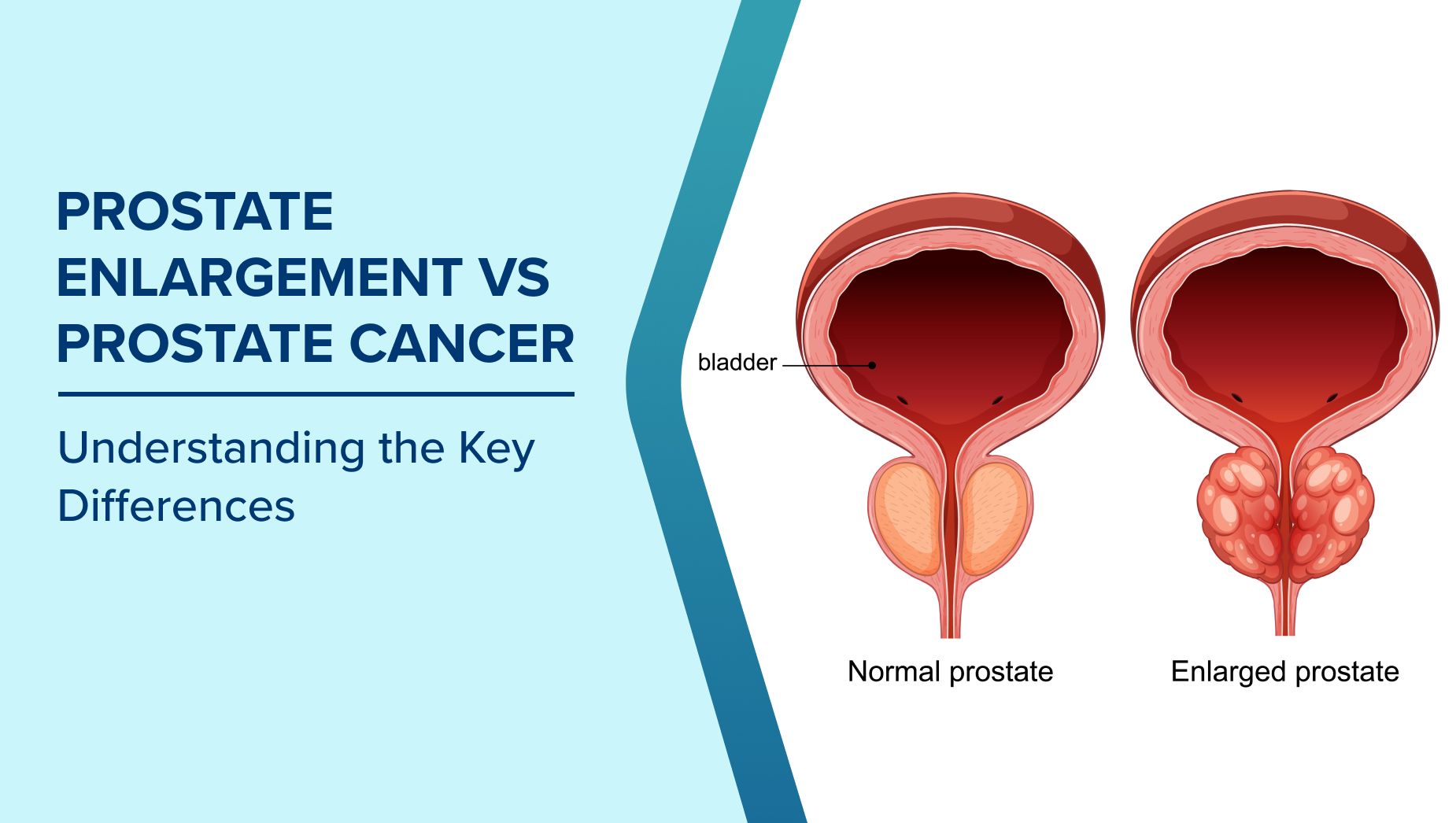
The prostate is a small gland situated below the bladder, surrounding the urethra, the tube that carries urine out of the body. Its main role is to produce seminal fluid, which nourishes and transports sperm.
As men grow older, changes in hormones, cell growth, and tissue structure can influence the size and function of this gland, leading to two major but distinct conditions: Benign Prostatic Hyperplasia (BPH) and Prostate Cancer.
Prostate Enlargement: A Common Yet Manageable Condition
Prostate enlargement, medically termed Benign Prostatic Hyperplasia (BPH), is a non-cancerous growth that typically develops with age. It is one of the most common causes of urinary symptoms in men over 50.
While BPH is not dangerous, it can significantly affect daily life if left unmanaged. The enlarged gland presses against the urethra, interfering with the normal flow of urine.
Men may notice increased urinary frequency, especially at night, or find it difficult to start or stop urination. Some may also feel a sense of incomplete bladder emptying.
How It's Diagnosed
Doctors use a combination of clinical evaluations and imaging tests to assess the prostate. These may include a physical examination, urine flow studies, or imaging scans. Blood tests like the Prostate-Specific Antigen (PSA) may also be ordered to rule out cancer, though mild PSA elevation can occur even in benign conditions.
Treatment and Management
Treatment depends on symptom severity and individual preference. Many men benefit from lifestyle changes, such as staying active, reducing caffeine and alcohol intake, and practising healthy bladder habits.
For more persistent symptoms, medications can relax prostate muscles or shrink the gland. In select cases, minimally invasive therapies or surgical interventions may be recommended to restore normal urine flow and comfort.
Prostate Cancer: When Cell Growth Becomes Abnormal
While prostate enlargement is a natural part of ageing, prostate cancer involves the uncontrolled growth of abnormal cells in the gland. It can range from slow-growing, localised cancers to more aggressive forms that spread beyond the prostate.
In many men, prostate cancer develops silently, showing few or no symptoms in the early stages. However, as it advances, some may notice changes in urinary patterns, discomfort in the pelvic area, or the presence of blood in urine or semen. Fatigue or unexplained weight loss can also occur in later stages.
Diagnosis and Detection
Detecting prostate cancer early greatly improves treatment outcomes. Doctors may recommend regular screening, especially for men above 50 or those with a family history. Screening often includes a PSA test, followed by imaging or biopsy if abnormalities are found.
Advanced tools such as MRI or molecular testing are now improving the accuracy of diagnosis and guiding personalised treatment plans.
Treatment Approaches
Treatment depends on the type and stage of cancer. Some men with low-risk disease may only need active surveillance, while others may require surgery, radiotherapy, or hormone therapy.
Newer approaches like targeted and immunotherapy are transforming prostate cancer care, offering better outcomes with fewer side effects. A multidisciplinary team, including oncologists, urologists, and radiologists, ensures the most effective treatment pathway for each patient.
Key Differences in Nature and Progression
Although both conditions affect the same gland, they differ fundamentally in behaviour.
Prostate enlargement results from hormonal changes that cause benign tissue growth, whereas prostate cancer stems from genetic and cellular abnormalities that lead to uncontrolled, potentially invasive cell division.
BPH tends to grow slowly and remain confined to the prostate, while cancer can infiltrate surrounding tissues or spread to other organs if untreated.
Most importantly, prostate enlargement does not lead to cancer, although a man can have both conditions simultaneously. Hence, ongoing screening and regular urological check-ups are crucial for ensuring the early detection of any changes.
Recognising When to Seek Medical Help
Any new urinary symptom should be discussed with a doctor, even if mild. Difficulty urinating, blood in urine, pelvic discomfort, or unexplained fatigue warrant professional assessment.
Early diagnosis allows effective management, whether the issue is benign or malignant. Men with a family history of prostate disease should be particularly proactive about screening, as genetic predisposition can increase risk.
Maintaining Prostate Health
Simple daily habits can go a long way in supporting prostate function and overall well-being:
- Stay physically active: Regular exercise helps regulate hormones and reduce inflammation.
- Eat a balanced diet: Focus on fruits, vegetables, and foods rich in antioxidants and omega-3 fatty acids.
- Stay hydrated: Adequate fluid intake supports urinary health.
- Avoid smoking and limit alcohol: Both can worsen prostate symptoms.
- Schedule regular screenings: Especially after 50, or earlier if there’s a family history.
These small lifestyle choices not only reduce the risk of complications but also support long-term health and vitality.
Conclusion
Prostate enlargement and prostate cancer are two distinct conditions that share overlapping symptoms but have very different implications for health. While prostate enlargement is benign and often manageable, prostate cancer requires timely diagnosis and treatment. Understanding the difference empowers men to take control of their prostate health, recognising early warning signs and consulting specialists without delay.
Regular check-ups, awareness, and lifestyle balance are the best strategies for maintaining a healthy prostate and ensuring peace of mind.
FAQs
Can prostate enlargement and prostate cancer occur together?
Yes, it’s possible for both conditions to develop in the same individual, which is why regular medical check-ups and PSA monitoring are essential.
Is prostate cancer always life-threatening?
Not necessarily. Many prostate cancers grow slowly and can be effectively managed or cured when detected early.
Does every man with urinary symptoms need a PSA test?
Not always. Doctors recommend PSA testing based on age, symptoms, and risk factors. It’s best to follow a specialist’s advice for accurate evaluation.
Can diet and exercise really improve prostate health?
Yes, a nutrient-rich diet, healthy weight, and regular activity help reduce inflammation and support hormonal balance, improving prostate function.
How often should men get their prostate checked?
Men over 50 should discuss annual screening with their doctor. Those with a family history or higher risk factors may need earlier or more frequent evaluations.
Written and Verified by:

Related Blogs

Dr. Anant Kumar In Urology , Kidney Transplant , Uro-Oncology
Nov 08 , 2020 | 8 min read

Dr. Shailendra Kumar Goel In Urology , Kidney Transplant , Uro-Oncology
Nov 08 , 2020 | 4 min read
Blogs by Doctor

Prostate Cancer Genetic Factors: Genetic Testing & Early Detection
Dr. Vikram Shah Batra In Urology , Kidney Transplant , Uro-Oncology
Dec 16 , 2024 | 6 min read

What is Hematuria: Causes, Diagnosis and Prevention
Dr. Vikram Shah Batra In Urology , Kidney Transplant , Uro-Oncology
Apr 24 , 2025 | 4 min read
Most read Blogs


Related Blogs
Dr. Anant Kumar In Urology , Kidney Transplant , Uro-Oncology
Nov 08 , 2020 | 8 min read
Dr. Shailendra Kumar Goel In Urology , Kidney Transplant , Uro-Oncology
Nov 08 , 2020 | 4 min read
Blogs by Doctor
Prostate Cancer Genetic Factors: Genetic Testing & Early Detection
Dr. Vikram Shah Batra In Urology , Kidney Transplant , Uro-Oncology
Dec 16 , 2024 | 6 min read
What is Hematuria: Causes, Diagnosis and Prevention
Dr. Vikram Shah Batra In Urology , Kidney Transplant , Uro-Oncology
Apr 24 , 2025 | 4 min read
Most read Blogs