 WhatsApp Us (24/7)
 +91 926 888 0303 (24/7)


To Book an Appointment
Call Us+91 926 888 0303Prostate Cancer and Its Impact on Sexual Wellness
By Dr. Adittya K. Sharma in Urology , Kidney Transplant , Uro-Oncology , Robotic Surgery
Oct 07 , 2025 | 5 min read

Prostate cancer is one of the most common cancers in men, and while treatment outcomes have improved significantly, its effect on quality of life is an equally important concern. One area that often remains under-discussed is sexual wellness.
Intimacy and sexual health are central to overall well-being, relationships, and self-confidence, yet many men hesitate to raise these issues with doctors or even partners. Let’s explore how prostate cancer and its treatments can affect sexual health, the emotional aspects tied to these changes, and practical ways to preserve or rebuild intimacy.
Understanding Prostate Cancer and Male Sexual Health
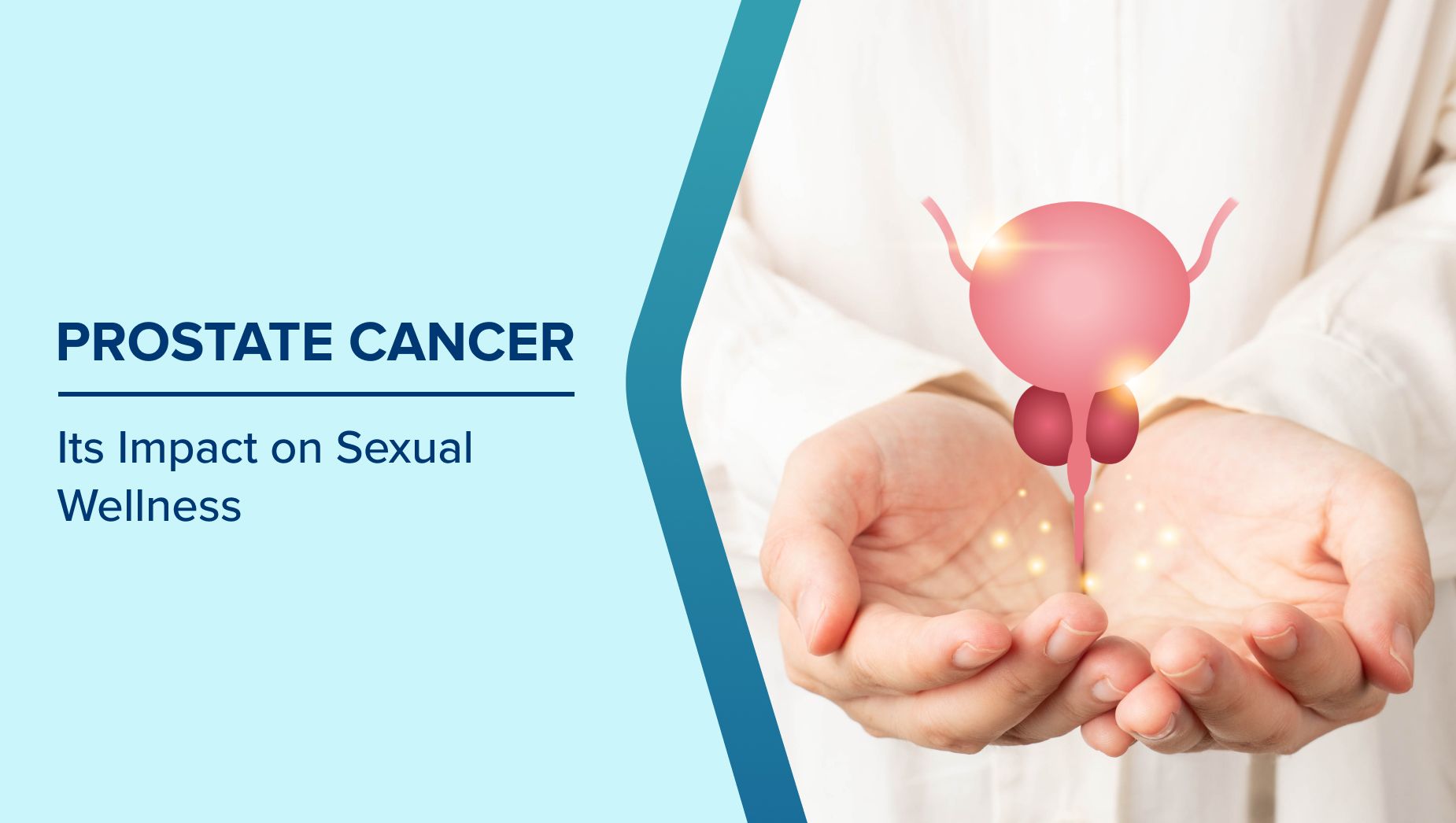
The prostate is a small gland located just below the bladder, playing a crucial role in male reproductive health. It produces fluid that nourishes and protects sperm, contributing to fertility and sexual function.
When prostate cancer develops, abnormal cell growth can affect not only the gland but also the surrounding nerves and tissues that are closely linked with sexual performance. Treatments often target the cancer aggressively, but in doing so, they may interfere with functions such as erection, libido, and ejaculation.
The impact is not only physical. Men may also experience psychological and emotional stress as they adapt to changes in their intimate lives. Fear of reduced performance, concern over masculinity, or strained relationships can all add to the challenge. Recognising these layers is essential in managing both cancer and sexual wellness.
Impact of Treatments on Sexual Wellness
Surgery
Surgical removal of the prostate, known as prostatectomy, is a common treatment option. While effective in eliminating cancer, it can sometimes damage the delicate nerves that control erections. Men may notice temporary or longer-term erectile dysfunction after surgery. Recovery varies, and some regain function over time with support and rehabilitation. Nerve-sparing techniques aim to reduce the impact, but outcomes differ between individuals.
Radiation Therapy
Radiation therapy uses targeted energy to destroy cancer cells. Its effect on sexual health can appear gradually. Men may notice changes in erectile response, a decrease in firmness, or difficulties maintaining an erection over the years following treatment. In addition, ejaculation may be altered, with less fluid released or dry orgasms occurring. These changes can affect satisfaction, but do not eliminate the possibility of intimacy.
Hormone Therapy
Hormone therapy reduces testosterone levels to slow cancer growth. As testosterone is central to libido and sexual performance, this treatment can significantly affect sexual desire. Men may also notice changes in body composition, such as reduced muscle mass or increased body fat, which can influence body image and confidence. These effects can be emotionally challenging, but with guidance, men can adapt and find new ways of experiencing intimacy.
Emotional and Psychological Dimensions
Sexual health is deeply connected to emotional well-being. Many men experience anxiety, frustration, or sadness when facing changes in their sexual lives after prostate cancer treatment. Concerns about performance can reduce confidence, and fear of disappointing a partner may discourage attempts at intimacy.
Relationships may feel strained if open conversations are avoided. Partners may misinterpret withdrawal as a lack of affection, while the individual may feel misunderstood. Building trust through honest dialogue can help both partners adjust and discover new ways to connect. Professional counselling can also play a vital role in reducing anxiety and rebuilding confidence.
Practical Ways to Support Sexual Wellness
Medical Options
Several medical solutions are available to support sexual health after prostate cancer treatment. Medications that enhance erectile function, vacuum erection devices, or penile implants are commonly offered. Men should discuss these options with their doctors to identify what suits their condition best.
Lifestyle Strategies
Lifestyle choices significantly affect recovery and sexual wellness. A balanced diet supports energy levels, circulation, and overall health. Regular exercise helps maintain strength, improve blood flow, and boost mood. Adequate rest and stress management techniques, such as meditation or relaxation practices, can also aid in sexual performance and emotional balance.
Counselling and Support Groups
Professional counselling provides a safe space to address concerns, rebuild self-esteem, and reduce relationship stress. Support groups allow men to connect with others facing similar experiences, reducing isolation and offering encouragement.
Intimacy Beyond Physical Function
Sexual well-being is not limited to penetration. Couples can nurture closeness through touch, emotional connection, and exploring alternative ways of intimacy. This shift in focus often reduces pressure and allows for a more fulfilling relationship despite physical changes.
When to Speak to a Specialist
It is essential to seek professional help when sexual health concerns persist. Urologists and sexual health specialists can provide tailored solutions and guide men through recovery. Signs that should not be ignored include difficulty achieving or maintaining an erection for extended periods, complete loss of sexual desire, or pain during sexual activity. Early consultation often improves outcomes and restores confidence in intimate relationships.
Breaking the Stigma Around Sexual Wellness
Cultural attitudes and personal discomfort often prevent men from discussing sexual health openly. Yet silence only deepens the problem. Prostate cancer survivors should feel empowered to raise concerns with their healthcare providers. Discussing issues openly with partners also helps reduce misunderstandings and builds stronger bonds.
Normalising the conversation around sexual wellness in prostate cancer care is crucial. By recognising intimacy as a central part of overall health, men can move forward with greater confidence and support.
Conclusion
Prostate cancer can bring significant changes to sexual health, but these challenges are not insurmountable. With the right medical care, lifestyle adjustments, emotional support, and open communication, men can continue to enjoy fulfilling intimate lives. Addressing concerns early, breaking down stigma, and embracing holistic wellness are key to reclaiming confidence and protecting relationships. Sexual wellness is not a secondary concern but an essential part of recovery and long-term well-being.
Frequently Asked Questions
Can pelvic floor exercises help improve sexual function after prostate cancer treatment?
Yes, strengthening pelvic floor muscles can support bladder control and improve erectile function, especially during recovery after surgery or radiation.
How soon after treatment can a man safely resume sexual activity?
This depends on the type of treatment and individual recovery. It is best to consult a doctor, who can provide guidance based on healing progress and comfort levels.
Are there natural remedies or supplements that may support sexual wellness in men with prostate cancer?
Some men explore supplements, but safety and effectiveness vary. Always check with a doctor before using them, as interactions with cancer treatments may occur.
Is infertility after prostate cancer treatment permanent, or are there options for fatherhood?
In many cases, treatment affects fertility. However, options like sperm banking before treatment or assisted reproductive methods may help men achieve fatherhood.
Do all men experience sexual side effects from prostate cancer treatment?
Not all men face the same challenges. Side effects depend on factors such as age, treatment type, overall health, and whether nerve-sparing methods were used.
Written and Verified by:

Related Blogs

Dr. Anant Kumar In Urology , Kidney Transplant , Uro-Oncology
Nov 08 , 2020 | 8 min read
Dr. Shailendra Kumar Goel In Urology , Kidney Transplant , Uro-Oncology
Nov 08 , 2020 | 4 min read
Blogs by Doctor
Rezum Therapy: A Minimally Invasive Solution for Enlarged Prostate
Dr. Adittya K. Sharma In Urology , Uro-Oncology , Robotic Surgery
Sep 10 , 2025 | 4 min read
Most read Blogs


Related Blogs
Dr. Anant Kumar In Urology , Kidney Transplant , Uro-Oncology
Nov 08 , 2020 | 8 min read
Dr. Shailendra Kumar Goel In Urology , Kidney Transplant , Uro-Oncology
Nov 08 , 2020 | 4 min read
Blogs by Doctor
Rezum Therapy: A Minimally Invasive Solution for Enlarged Prostate
Dr. Adittya K. Sharma In Urology , Uro-Oncology , Robotic Surgery
Sep 10 , 2025 | 4 min read
Most read Blogs