 WhatsApp Us (24/7)
 +91 926 888 0303 (24/7)


To Book an Appointment
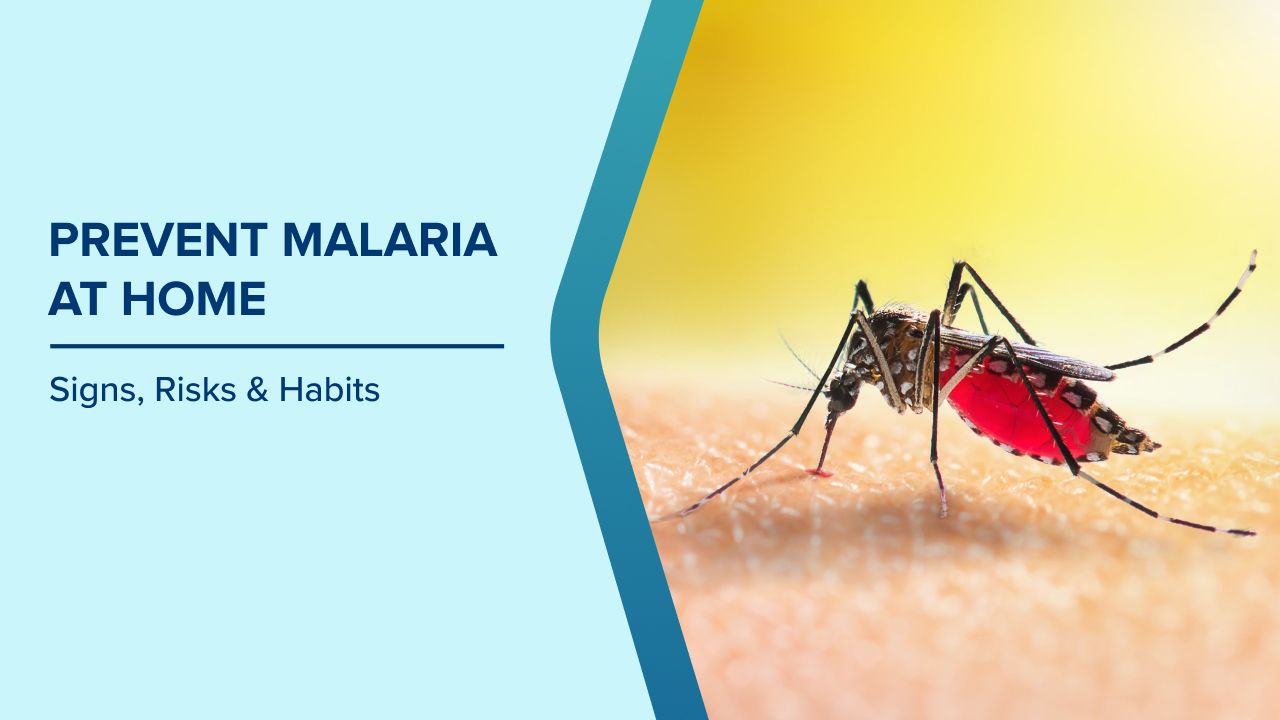
Call Us+91 926 888 0303Prevent Malaria at Home: Signs, Risks & Habits
By Dr. Mukesh Mehra in Internal Medicine
Apr 16 , 2026

Malaria continues to affect many households, especially in regions where mosquito exposure is common throughout the year. While medical treatment is essential once infection occurs, prevention at home plays an equally important role in reducing risk.
Most people associate malaria prevention with mosquito nets or repellents alone. However, effective prevention goes beyond these basics. It involves a combination of small, consistent habits that reduce mosquito presence and limit exposure within your living space.
Why Home-Based Prevention Matters More Than You Think
Mosquito exposure does not only happen outdoors. Many infections begin within the home environment, especially when unnoticed breeding spots or entry points allow mosquitoes to thrive indoors.
Prevention at home is not about a single action. It is about creating multiple layers of protection that work together over time. Even small gaps in daily habits can increase exposure, which is why consistency is key.
1. Identify and Address Hidden Water Collection Points
Most people check obvious places like open buckets or tanks. However, mosquitoes often breed in less noticeable areas that are easily overlooked.
Commonly Missed Spots at Home:
- Water collected in refrigerator drip trays
- Plant pot trays and indoor decorative plants
- AC units or cooler trays
- Unused bathroom corners or floor depressions
- Roof edges where rainwater accumulates
Even a small amount of stagnant water can become a breeding ground within days. Regularly inspecting these hidden areas can significantly reduce the chances of mosquito growth.
What You Can Do:
- Empty and clean water trays at least twice a week
- Ensure proper drainage in balconies and terraces
- Keep indoor plant bases dry or change water frequently
2. Improve Indoor Air Movement
Mosquitoes tend to settle in still, undisturbed air. Rooms with poor ventilation can become resting zones, especially during warmer months.
Why This Matters:
Air movement makes it difficult for mosquitoes to hover and land. It also reduces humidity levels that attract them indoors.
Simple Adjustments:
- Use ceiling or pedestal fans regularly
- Keep windows open during safe hours to allow airflow
- Avoid keeping rooms closed for long periods without ventilation
This is a simple yet often underestimated method that reduces mosquito activity indoors without any additional cost.
3. Focus on Entry Points, Not Just Repellents
Many households rely heavily on repellents, but overlook how mosquitoes are entering the space in the first place.
Common Entry Points:
- Gaps around windows or doors
- Torn window screens
- Open ventilation ducts
- Spaces around pipes or wiring
Practical Fixes:
- Install or repair mesh screens on windows
- Seal visible gaps using simple fillers
- Keep doors closed during peak mosquito hours
Blocking entry reduces the need for repeated repellent use and creates a more controlled indoor environment.
4. Manage Lighting to Reduce Mosquito Attraction
Lighting choices inside and outside your home can influence mosquito behaviour more than expected.
How Lighting Affects Mosquitoes:
Certain types of light attract insects, especially when placed near entry points. This increases the likelihood of mosquitoes entering your home.
Smarter Lighting Practices:
- Use warm-toned lights instead of bright white lights near doors
- Avoid keeping unnecessary lights on in balconies at night
- Position lights away from open windows
These small adjustments can reduce the number of insects gathering near your living space.
5. Create a Consistent Weekly Prevention Routine
Prevention becomes effective only when it is consistent. One-time efforts rarely provide lasting protection.
Read More: [block]1[/block]
What a Simple Weekly Routine Can Include:
- Inspecting all water collection points
- Checking window screens and door gaps
- Cleaning less-used areas like storage rooms
- Ensuring proper waste disposal and dry surroundings
Why Routine Matters:
Mosquito life cycles are short. Regular checks help break this cycle before it leads to increased mosquito presence.
Subtle Signs Your Home May Be at Risk
Even when everything seems normal, certain signs may indicate increased mosquito activity indoors.
Watch For:
- Frequent mosquito presence during the day
- Increased bites despite using repellents
- Mosquitoes resting on walls or behind curtains
- Damp areas that take longer to dry
Recognising these signs early allows you to take action before the situation worsens.
Common Mistakes That Reduce Prevention Effectiveness
Even with good intentions, some habits can limit the impact of your efforts.
Avoid These:
- Cleaning visible areas but ignoring hidden spots
- Relying only on sprays without addressing the source
- Irregular maintenance of home surroundings
- Leaving water containers uncovered for short periods
Prevention works best when both visible and hidden factors are managed together.
How Family Habits Influence Malaria Risk
Prevention is not just about the home structure. Daily habits of family members also play a role.
Examples:
- Leaving windows open without screens during evening hours
- Ignoring small leaks or water accumulation
- Delaying cleaning routines
Creating awareness within the household ensures that prevention efforts are maintained consistently.
When Prevention Needs to Be Taken More Seriously
There are certain situations where extra care is required:
- During monsoon or humid weather
- When there is ongoing construction nearby
- If neighbours report increased mosquito presence
- After travel to high-risk areas
In such cases, increasing the frequency of inspections and preventive steps can make a significant difference.
Read More: [block]2[/block]
Conclusion
Preventing malaria at home does not always require complex measures. Often, it is the small, consistent actions that create the strongest protection.
By focusing on hidden breeding spots, improving airflow, securing entry points, managing lighting, and maintaining a routine, you can reduce mosquito exposure significantly.
The goal is not to create fear, but to build awareness. A well-maintained home environment plays a key role in protecting your family from avoidable health risks.
FAQs
1. Can mosquitoes breed in clean water inside the house?
Yes, mosquitoes can breed in clean as well as slightly dirty water. Even clear water collected in small containers can support breeding.
2. Do higher floors completely reduce the risk of mosquitoes?
No, mosquitoes can travel to higher floors through lifts, staircases, and air currents. Prevention is still necessary regardless of floor level.
3. Is occasional cleaning enough to prevent mosquito breeding?
No, irregular cleaning may not break the mosquito life cycle. Consistency is essential for effective prevention.
4. Can unused rooms increase mosquito activity in a home?
Yes, closed or unused rooms often have stagnant air and unnoticed water collection, making them potential resting and breeding spots.
5. Can mosquitoes enter through very small openings in the house?
Yes, mosquitoes can pass through surprisingly small gaps around doors, windows, or vents. Even tiny openings can allow them to enter.
Written and Verified by:

Related Blogs


Dr. Vandana Boobna In Internal Medicine
Nov 08 , 2020 | 2 min read
Blogs by Doctor

Are you Ensuring a Good Health for Elderly People?
Dr. Mukesh Mehra In Internal Medicine
Jun 23 , 2016 | 2 min read

Unexplained Weight Loss: Should You See a Doctor?
Dr. Mukesh Mehra In Internal Medicine
May 12 , 2017 | 3 min read
Most read Blogs


Related Blogs
Dr. Vandana Boobna In Internal Medicine
Nov 08 , 2020 | 2 min read
Blogs by Doctor
Are you Ensuring a Good Health for Elderly People?
Dr. Mukesh Mehra In Internal Medicine
Jun 23 , 2016 | 2 min read
Unexplained Weight Loss: Should You See a Doctor?
Dr. Mukesh Mehra In Internal Medicine
May 12 , 2017 | 3 min read
Most read Blogs